
Fibrinogen test
Quick answer: A fibrinogen test measures fibrinogen, a protein in plasma that the body needs to form blood clots. Doctors order it for unexplained bleeding or clotting, in liver disease, before some surgeries, and in heavy bleeding around childbirth.
- SampleBlood
- TakesAbout 5 minutes
- Before the testNo special preparation is usually needed; tell staff about any blood thinners you take.
- In fertility careIn pregnancy, fibrinogen is checked urgently in heavy bleeding after delivery or complications such as placental abruption.
How the test is done
- 1Blood is drawn from your arm into a light-blue citrate tube
- 2The tube must be filled to the marked level for clotting tests
- 3The lab adds thrombin to your plasma and times how fast a clot forms
- 4This time is converted into a fibrinogen level
What your results can mean
Reading your report
Levels normally rise in pregnancy and with inflammation, so ranges differ; discuss your result with your doctor.
If the result is outside the usual range
A low fibrinogen level can be seen with liver disease, an inherited deficiency, or heavy bleeding where clotting factors are used up, including after childbirth. A high level can be seen with inflammation, infection, smoking and pregnancy.
Who usually has this test
People with unexplained bleeding or clotting, some people before surgery, and women with heavy bleeding around childbirth.
Risks and aftercare
You may have a small bruise; press on the site a little longer if you bleed easily.
Names and options
Also called: plasma fibrinogen, factor I
Listed by the hospital as
- FIBRINOGEN, PLASMA
Questions about this test
Is fibrinogen higher in pregnancy?
Yes, fibrinogen normally rises during pregnancy as the body prepares for childbirth. Doctors keep this in mind when reading the result.
Why is fibrinogen checked after heavy bleeding?
During heavy bleeding the body can use up fibrinogen quickly. A low level helps doctors decide what blood products may be needed.
Does a high fibrinogen mean I will get a clot?
Not on its own. A high level is often a sign of inflammation, and doctors look at it together with other risk factors.
Related tests
Tamara Hospital & IVF Centre, Rajajinagar
34/3, 10th Cross Road, opp. Vardhaka Sardar Patel School, 1st N Block, 2nd Stage, Rajajinagar, Bengaluru 560010
The hospital is open 24 hours. Call before you come to check the timing for your scan or sample collection.
Get directions ↗IVF Pulse fertility care at Tamara Hospital →
 Reception
 Waiting area
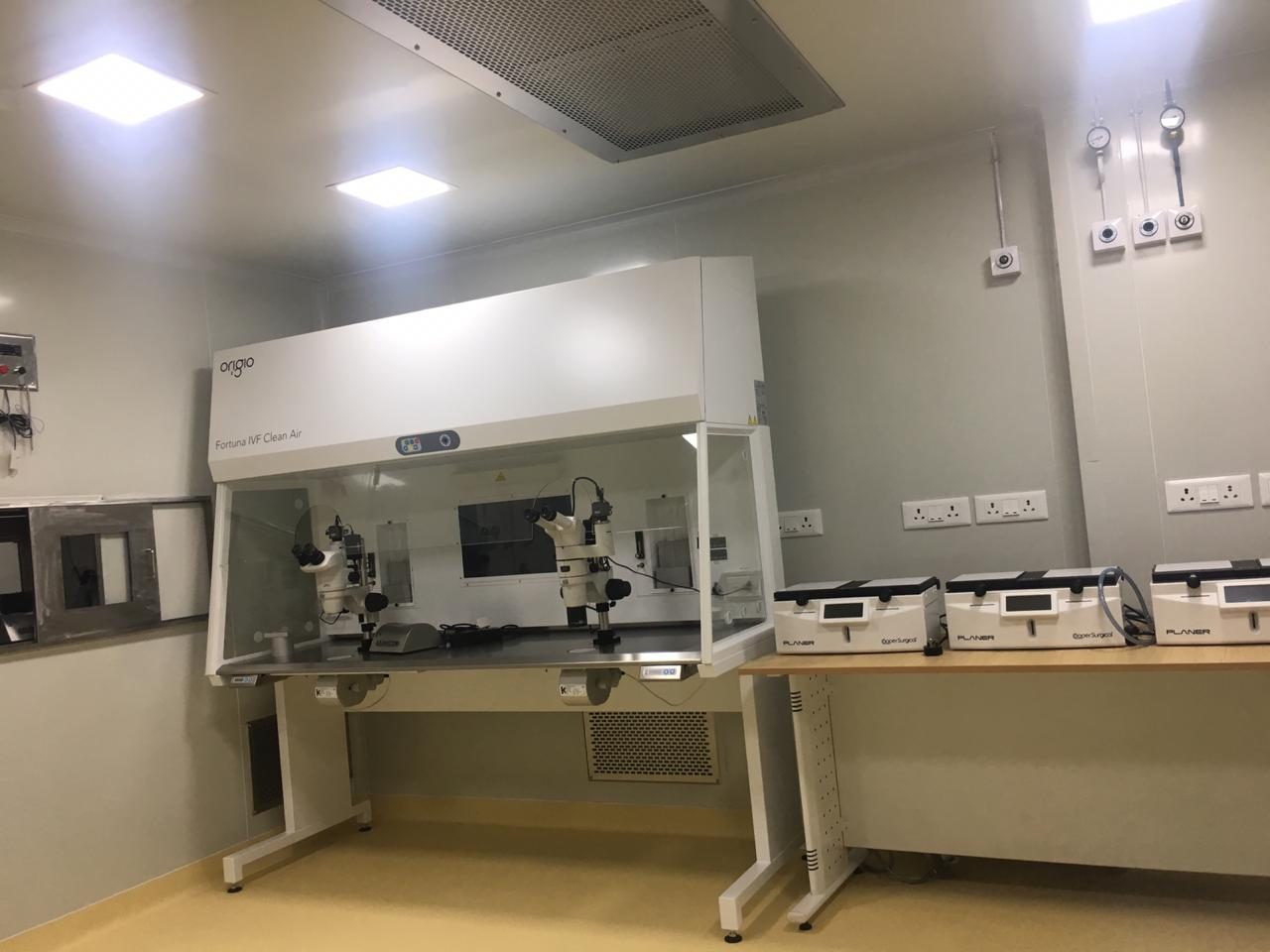 IVF lab
This page explains each test in general terms so you know what to expect. It is not medical advice: your doctor decides which tests you need and what your results mean. Reference ranges differ between laboratories. Updated 4 November 2026.