
Cyclosporin blood level
Quick answer: This test measures the amount of cyclosporin, a medicine that calms the immune system, in your blood. It is used after organ transplants and in some autoimmune conditions to keep the dose effective while limiting side effects.
- SampleBlood
- TakesAbout 5 minutes
- Before the testYour doctor will tell you when to give the sample; it is often taken just before your next dose.
How the test is done
- 1Blood is usually drawn just before your morning dose
- 2Some centres also check a level two hours after a dose
- 3Blood is collected into a purple-top (EDTA) tube
- 4The lab measures cyclosporin in whole blood
What your results can mean
Reading your report
Target levels depend on why you take the medicine; your doctor will explain your result.
If the result is outside the usual range
A high level can raise the risk of kidney damage, high blood pressure and other side effects. A low level can raise the risk of transplant rejection or a flare of the condition being treated.
Who usually has this test
People who have had an organ transplant, and some people with severe psoriasis, arthritis or other immune conditions who take cyclosporin.
Risks and aftercare
Bruising is possible; keep taking your medicine as prescribed.
Names and options
Also called: ciclosporin level, cyclosporine test
Listed by the hospital as
- CYCLOSPORIN (BLOOD)
Questions about this test
Why does the timing of the blood test matter?
Cyclosporin levels change a lot after each dose. Testing at a set time, usually just before a dose, lets doctors compare results reliably.
Can food or other medicines affect cyclosporin levels?
Yes, grapefruit and many medicines, including some antibiotics and antifungals, can change levels. Tell your doctor about anything new, but do not stop medicines on your own.
How often is a cyclosporin level checked?
It is checked often soon after a transplant or a dose change, then less often once levels are steady. Your transplant or specialist team will set the schedule.
Related tests
Tamara Hospital & IVF Centre, Rajajinagar
34/3, 10th Cross Road, opp. Vardhaka Sardar Patel School, 1st N Block, 2nd Stage, Rajajinagar, Bengaluru 560010
The hospital is open 24 hours. Call before you come to check the timing for your scan or sample collection.
Get directions ↗IVF Pulse fertility care at Tamara Hospital →
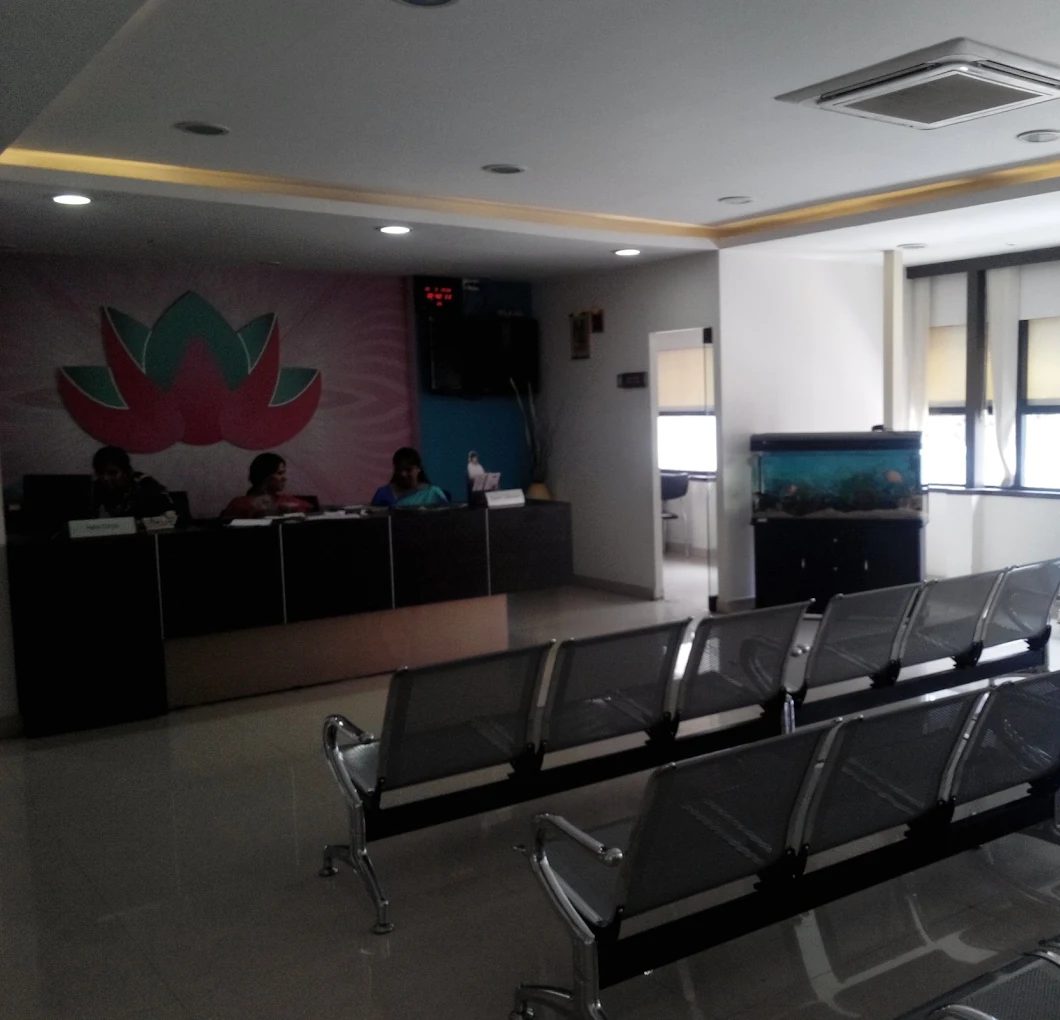 Reception
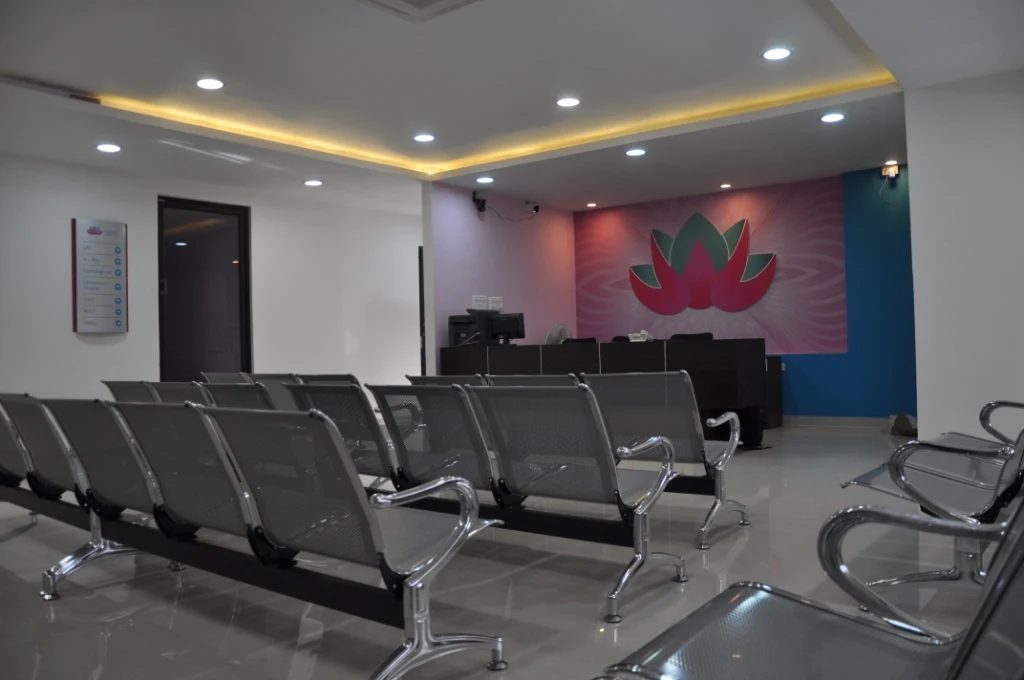 Waiting area
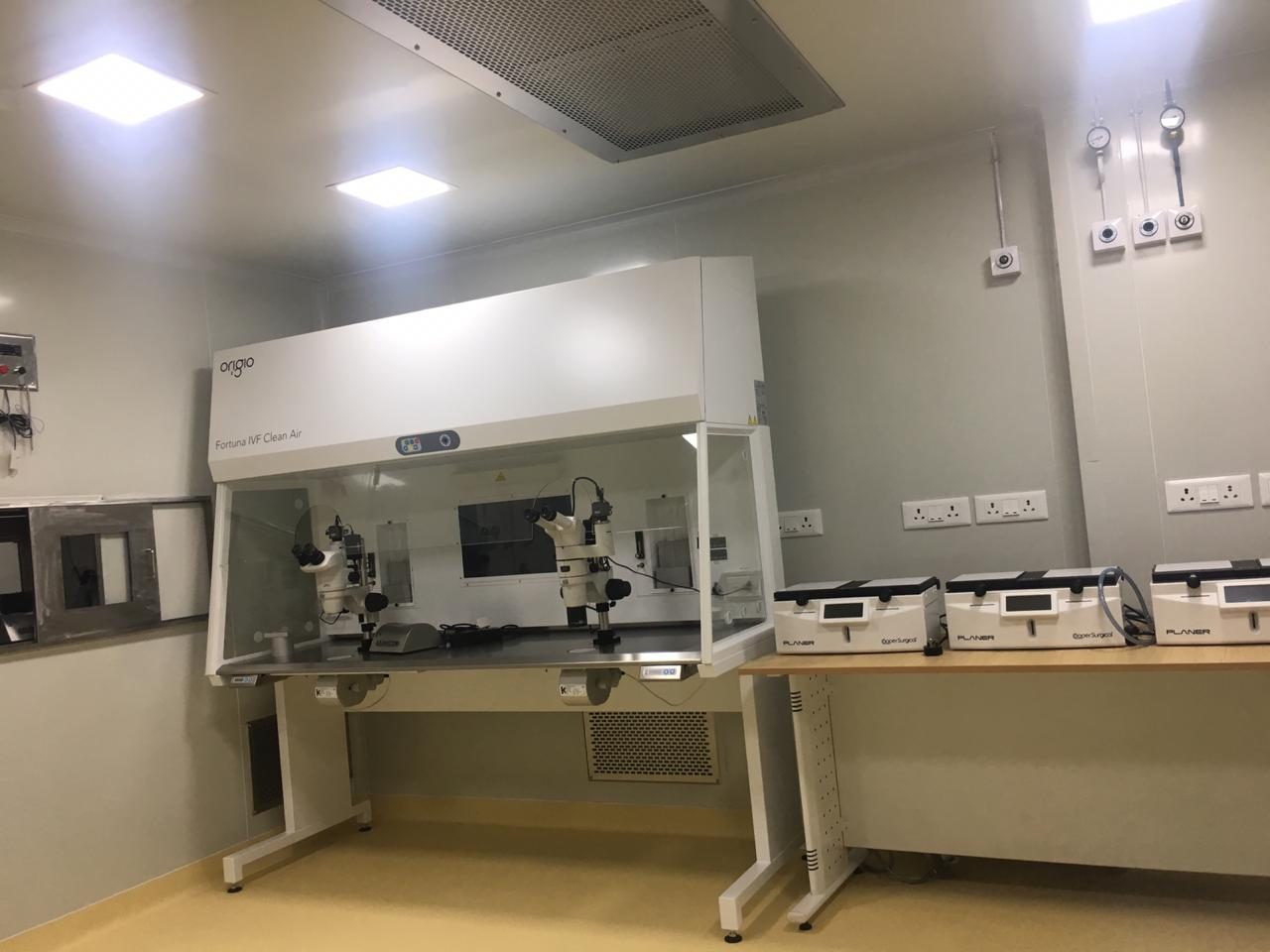 IVF lab
This page explains each test in general terms so you know what to expect. It is not medical advice: your doctor decides which tests you need and what your results mean. Reference ranges differ between laboratories. Updated 4 November 2026.