
Coxiella burnetii (Q fever) antibody test
Quick answer: This blood test measures antibodies against Coxiella burnetii, the bacterium that causes Q fever, spread mainly from farm animals. Doctors order it when you have fever, pneumonia or hepatitis without a clear cause and possible contact with livestock.
- SampleBlood
- TakesAbout 5 minutes
- Before the testNo special preparation is usually needed.
How the test is done
- 1A nurse records any farm animal contact
- 2A vein on your arm is cleaned
- 3A needle collects a tube of blood
- 4The lab measures phase I and phase II Coxiella antibodies
What your results can mean
Reading your report
A positive IgM usually suggests a recent or current infection and a positive IgG a past infection or immunity, but your doctor will read the result alongside your symptoms.
If the result is outside the usual range
Raised phase II antibodies can point to recent Q fever, while high phase I antibodies can suggest a long-term infection, such as of the heart valves. Results are read with your symptoms and timing.
Who usually has this test
People with unexplained fever, pneumonia or hepatitis who work with cattle, sheep or goats.
Risks and aftercare
A small bruise is possible; tell your doctor if fever or breathlessness gets worse.
Names and options
Also called: Q fever test, Coxiella IgG, Coxiella IgM
Options
- IgG
- IgM
Listed by the hospital as
- COXIELLA BURNETII IGG
- COXIELLA BURNETII IGM
Questions about this test
What is Q fever?
Q fever is an infection caught mainly by breathing in dust from infected farm animals, especially around birthing. It often causes a flu-like illness.
What do phase I and phase II mean on my report?
They are two forms of the bacterium. Phase II antibodies rise first in a new infection, while phase I antibodies are higher in long-term infection.
Can Q fever affect pregnancy?
Q fever in pregnancy has been linked with miscarriage and other complications. Tell your doctor if you are pregnant and have had animal exposure with fever.
Related tests
Tamara Hospital & IVF Centre, Rajajinagar
34/3, 10th Cross Road, opp. Vardhaka Sardar Patel School, 1st N Block, 2nd Stage, Rajajinagar, Bengaluru 560010
The hospital is open 24 hours. Call before you come to check the timing for your scan or sample collection.
Get directions ↗IVF Pulse fertility care at Tamara Hospital →
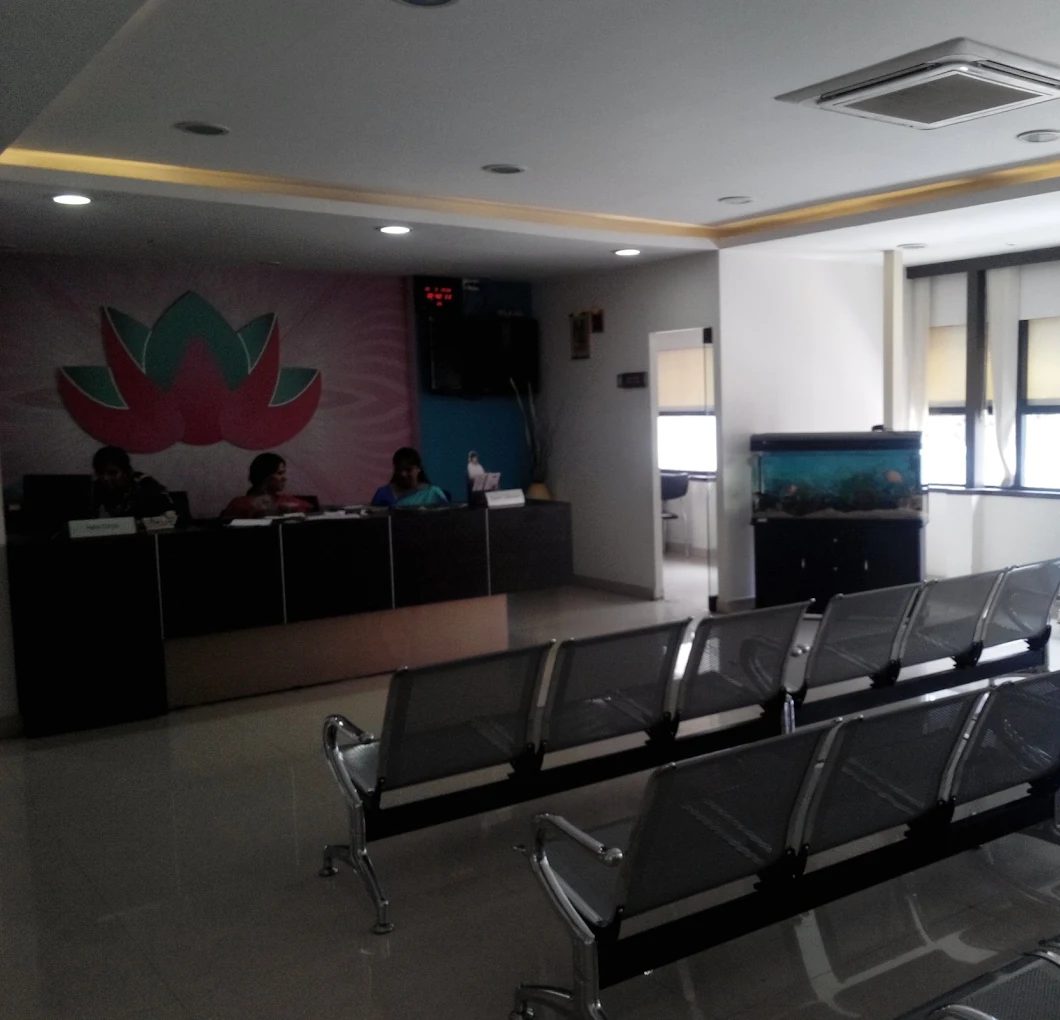 Reception
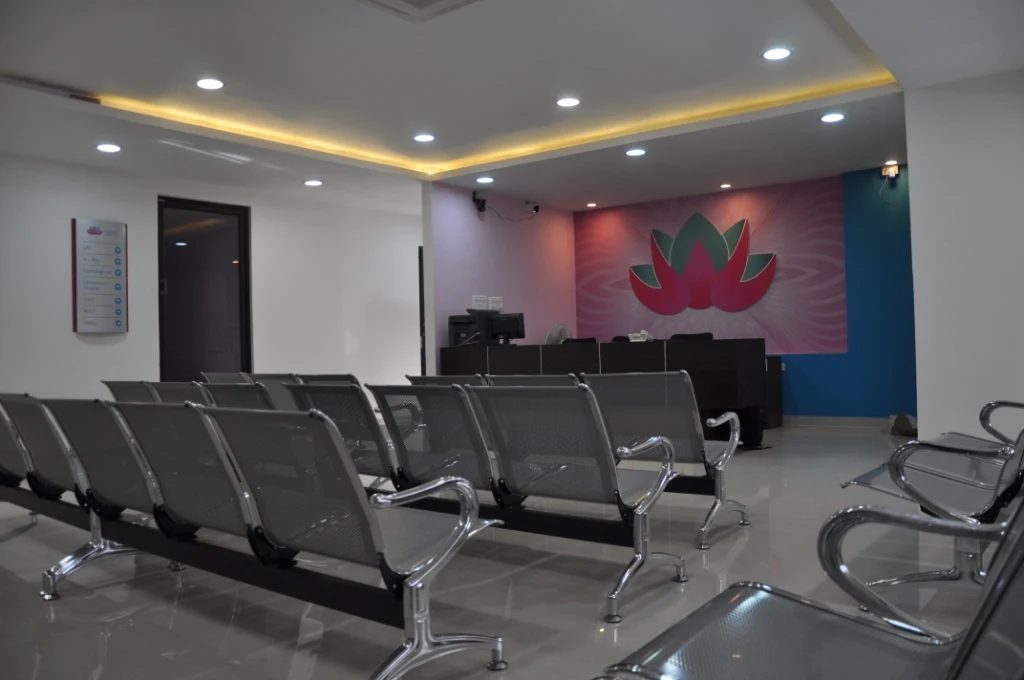 Waiting area
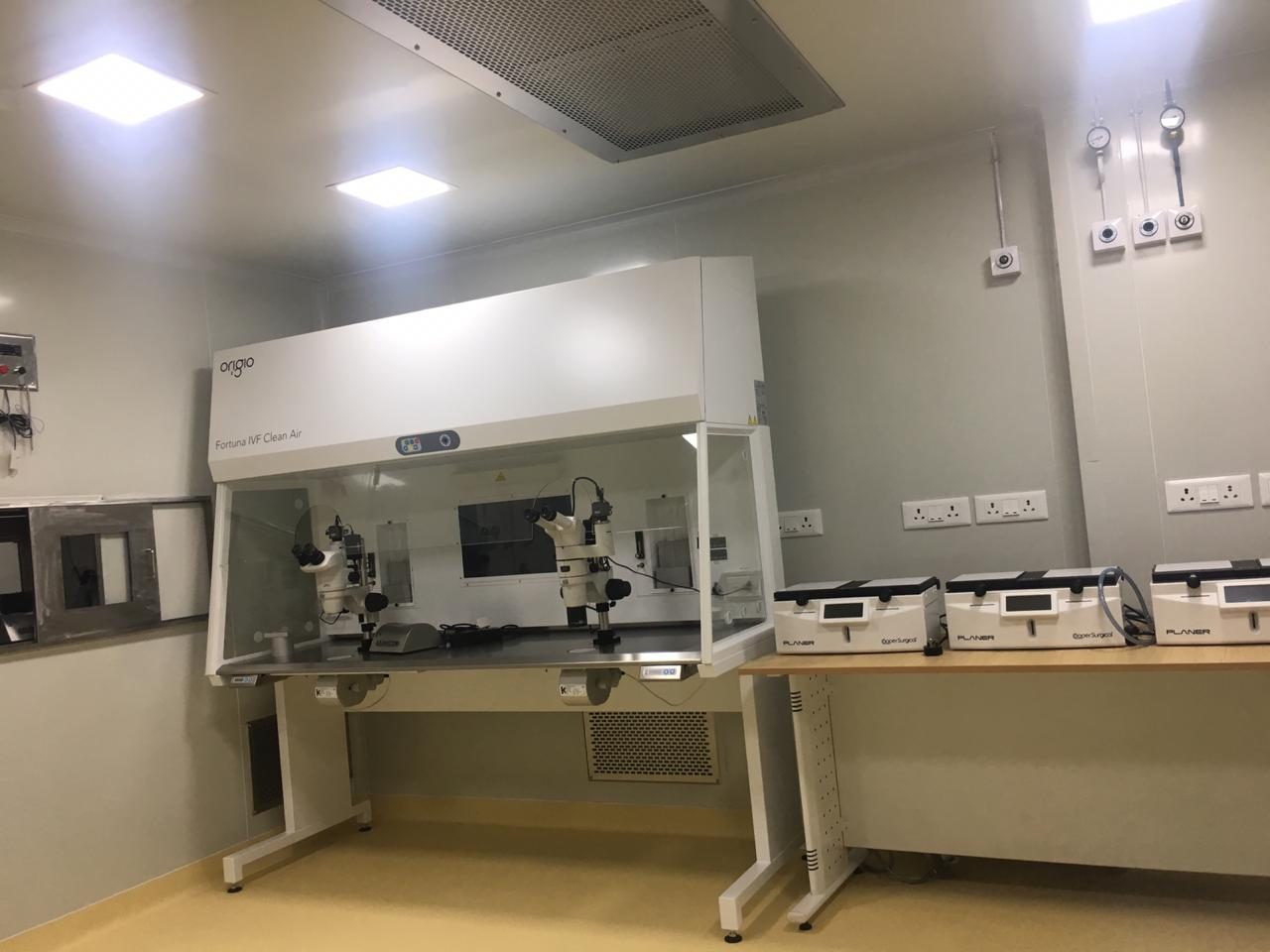 IVF lab
This page explains each test in general terms so you know what to expect. It is not medical advice: your doctor decides which tests you need and what your results mean. Reference ranges differ between laboratories. Updated 4 November 2026.