
Stool routine examination
Quick answer: A stool routine test looks at the colour and texture of a stool sample and checks it under a microscope for worms, eggs, parasites, blood cells and undigested food. Doctors order it for diarrhoea, stomach pain, suspected worm infection or unexplained anaemia.
- SampleStool
- TakesA few minutes to collect the sample
- Before the testCollect a fresh sample in the clean container given, without mixing in urine or water.
How the test is done
- 1You collect a small amount of fresh stool with the scoop in the container lid
- 2You keep urine, water and toilet paper out of the sample
- 3The lab notes colour, consistency, mucus and any visible blood
- 4A smear is checked under a microscope for worms, eggs, parasites and cells
What your results can mean
Reading your report
Parasites are not passed every day, so a negative result is sometimes repeated; discuss the report with your doctor.
If the result is outside the usual range
The test can show worm eggs, parasites such as Giardia or amoeba, pus cells that point to gut infection or inflammation, and red cells or undigested food. A single normal sample does not rule out parasites, as they are passed on and off.
Who usually has this test
People with diarrhoea, tummy pain, worms or unexplained anaemia, and children with poor growth.
Risks and aftercare
There are no risks; you may be asked for further samples on other days.
Names and options
Also called: stool test, stool R/E, motion test, stool microscopy
Listed by the hospital as
- STOOL ROUTINE EXAMINATION
Questions about this test
How much stool is needed?
Only a small amount is needed, about the size of a pea, or a teaspoon if liquid. Use the scoop in the container and do not overfill it.
Why might I be asked for more than one sample?
Parasites and eggs are not passed in every stool. Testing samples from different days improves the chance of finding them.
How soon should the sample reach the lab?
As soon as possible, ideally within an hour or two. Some parasites change or die once outside the body.
Related tests
Tamara Hospital & IVF Centre, Rajajinagar
34/3, 10th Cross Road, opp. Vardhaka Sardar Patel School, 1st N Block, 2nd Stage, Rajajinagar, Bengaluru 560010
The hospital is open 24 hours. Call before you come to check the timing for your scan or sample collection.
Get directions ↗IVF Pulse fertility care at Tamara Hospital →
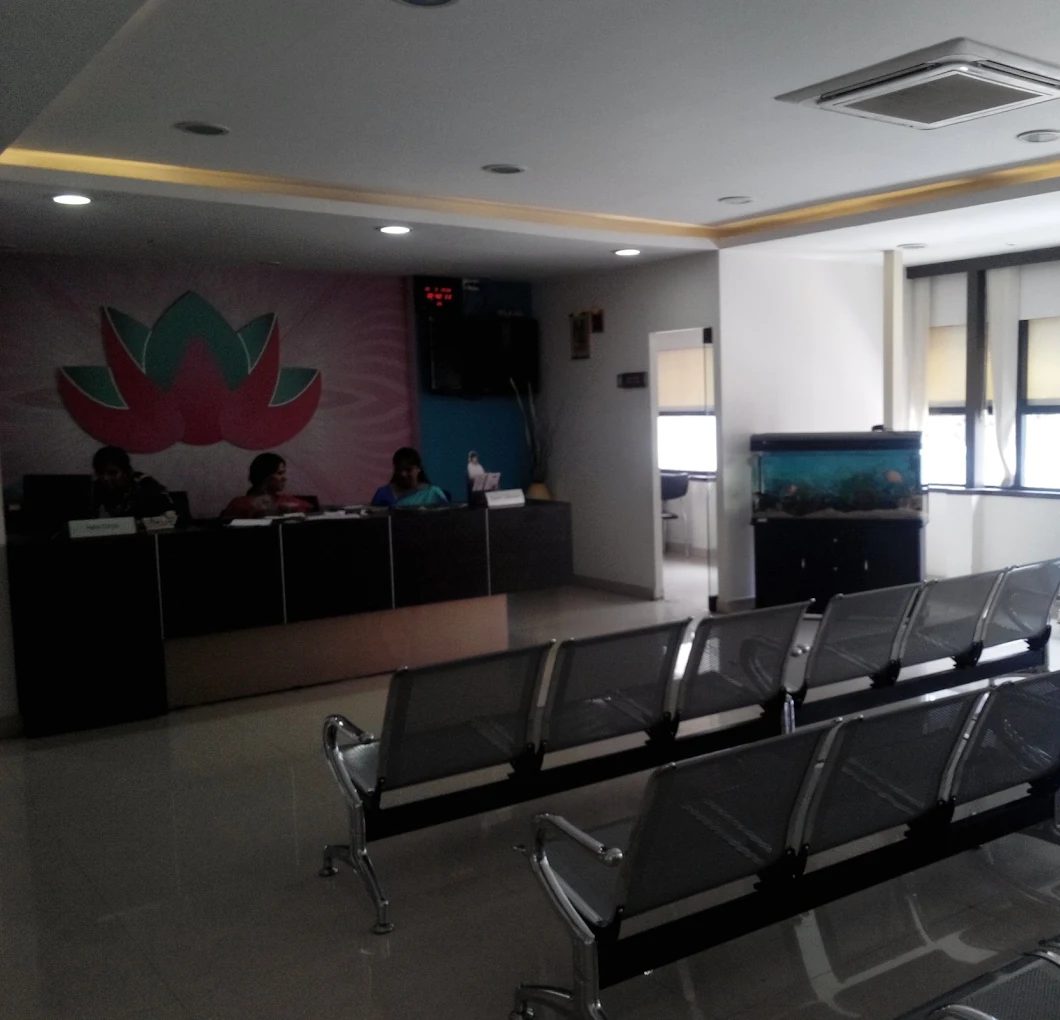 Reception
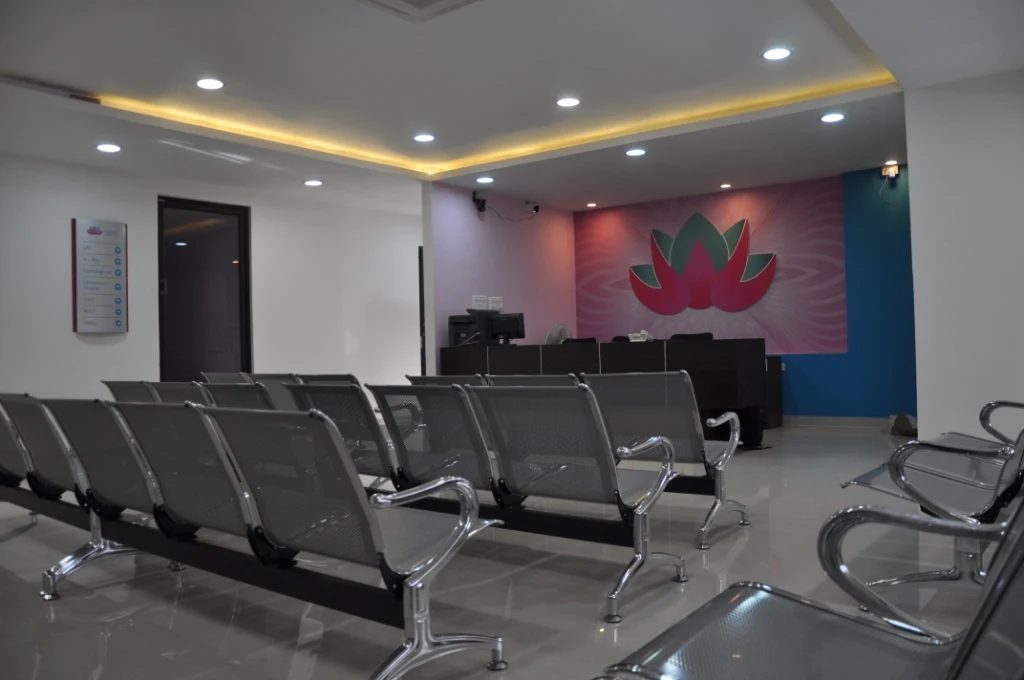 Waiting area
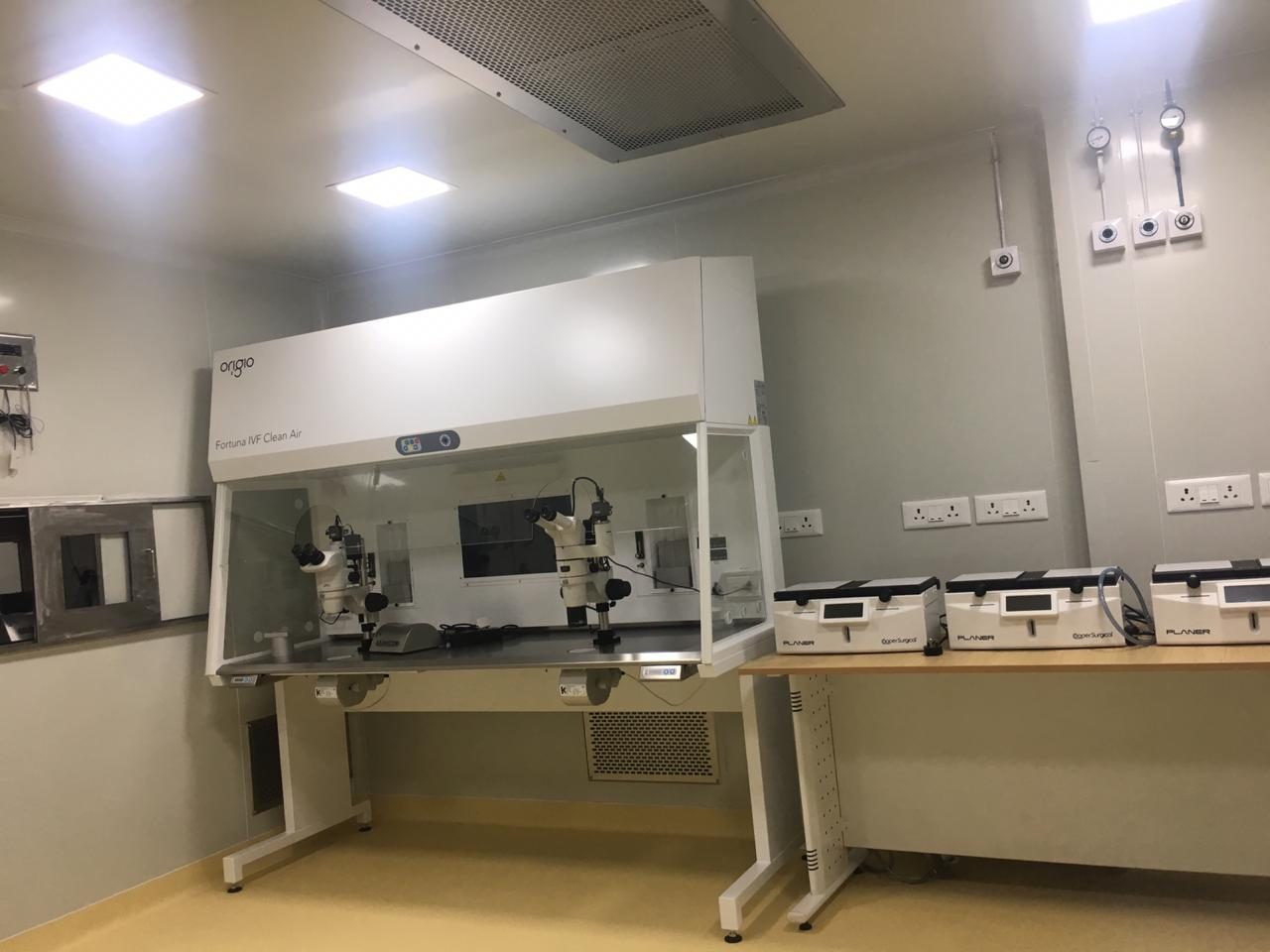 IVF lab
This page explains each test in general terms so you know what to expect. It is not medical advice: your doctor decides which tests you need and what your results mean. Reference ranges differ between laboratories. Updated 4 November 2026.