
PSA (prostate specific antigen) test
Quick answer: A PSA test measures prostate specific antigen, a protein made by the prostate gland. It is used, after discussion with a doctor, to look for prostate problems including cancer, and to monitor men already treated for prostate cancer.
- SampleBlood
- TakesAbout 5 minutes
- Before the testAvoid ejaculation and vigorous cycling for about two days before, and tell staff about any recent prostate examination, procedure or urine infection.
How the test is done
- 1Staff ask about recent ejaculation, cycling, prostate exams or urine infections
- 2A vein in your arm is cleaned
- 3Blood is drawn into a tube
- 4If a PSA panel is requested, both total and free PSA are measured from the same sample
What your results can mean
Reading your report
PSA can rise with age, an enlarged prostate or infection, not only cancer, so discuss your result with your doctor.
If the result is outside the usual range
A raised PSA can be seen with an enlarged prostate, prostate infection or inflammation, recent ejaculation or procedures, and prostate cancer. A lower free-to-total PSA ratio can make cancer more likely and may lead to further tests.
Who usually has this test
Men with urinary symptoms, men who choose screening after discussing it with a doctor, and men being monitored after prostate cancer treatment.
Risks and aftercare
There is no special aftercare after the blood test.
Names and options
Also called: PSA, total PSA, free PSA, PSA panel
Options
- PSA (total)
- PSA panel (total and free PSA)
Listed by the hospital as
- PSA (PROSTATE SPECIFIC ANTIGEN), SERUM
- PSA PANEL
Questions about this test
Does a high PSA mean prostate cancer?
No. PSA can rise with an enlarged prostate, infection or recent activity such as cycling or ejaculation. Many men with a raised PSA do not have cancer, so your doctor may repeat it or suggest an MRI or other tests.
What is free PSA?
PSA travels in the blood either bound to proteins or free. The percentage of free PSA can help doctors decide whether a borderline result needs further investigation.
Should every man have a PSA test?
Not necessarily. PSA screening has benefits and downsides, such as finding slow-growing cancers that may never cause harm. Guidelines advise discussing it with your doctor, especially from around 50, or earlier with a family history.
Related tests
Tamara Hospital & IVF Centre, Rajajinagar
34/3, 10th Cross Road, opp. Vardhaka Sardar Patel School, 1st N Block, 2nd Stage, Rajajinagar, Bengaluru 560010
The hospital is open 24 hours. Call before you come to check the timing for your scan or sample collection.
Get directions ↗IVF Pulse fertility care at Tamara Hospital →
 Reception
 Waiting area
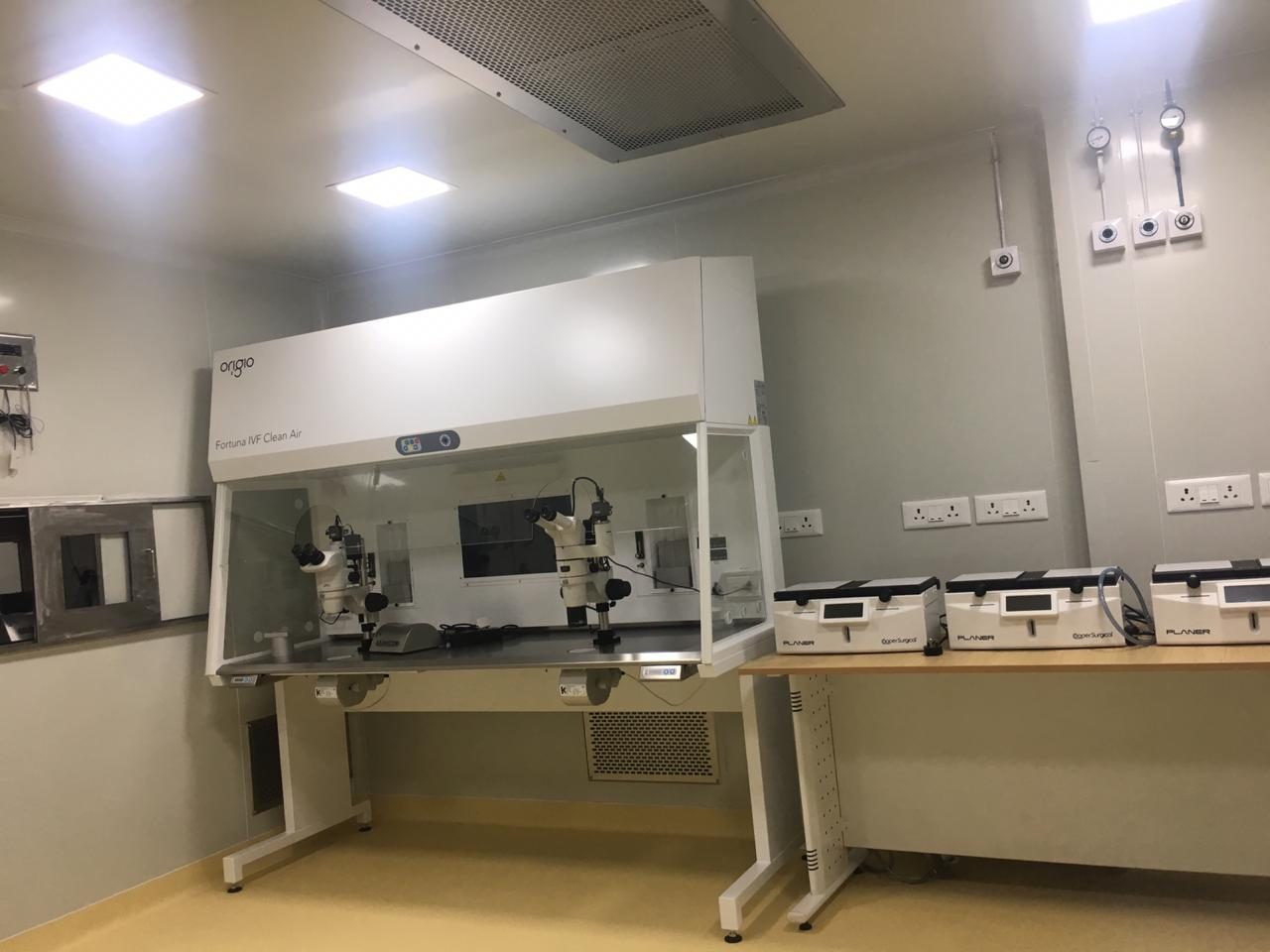 IVF lab
This page explains each test in general terms so you know what to expect. It is not medical advice: your doctor decides which tests you need and what your results mean. Reference ranges differ between laboratories. Updated 4 November 2026.