
Panfungal DNA PCR
Quick answer: This test looks for the genetic material (DNA) of a wide range of fungi in a sample. Doctors may order it when a serious fungal infection is suspected but cultures are negative or slow.
- SampleTissue, fluid or blood (as advised)
- TakesDepends on the sample; a blood draw takes about 5 minutes
- Before the testYour doctor will tell you which sample is needed and how it is collected.
How the test is done
- 1Your doctor explains which sample is needed
- 2Blood is drawn, or tissue or fluid is collected during a procedure
- 3The sample is sent in a sterile container
- 4The lab uses PCR to look for fungal DNA and may name the fungus
What your results can mean
Reading your report
Results are reported as detected or not detected and sometimes name the fungus; your doctor reads it with your other findings.
If the result is outside the usual range
A detected result can point to a fungal infection and may identify the type, which helps guide treatment. Fungal DNA can occasionally come from contamination, so results are read with cultures, scans and symptoms.
Who usually has this test
People with a suspected serious fungal infection, often with weak immunity, when cultures are negative or slow.
Risks and aftercare
Aftercare depends on how the sample was taken; staff will explain any care needed.
Names and options
Also called: fungal PCR, panfungal PCR
Listed by the hospital as
- PANFUNGAL-DNA PCR
Questions about this test
Why use PCR for fungal infections?
Some fungi grow slowly or not at all in culture. PCR can detect their DNA directly and faster.
Can a negative panfungal PCR rule out fungal infection?
Not always. The fungus may not be present in the part of the sample tested. Doctors combine several tests.
Which samples can be tested?
Tissue from a biopsy, fluid from the lungs or sinuses, spinal fluid or blood can be tested. Your doctor chooses the sample most likely to contain the fungus.
Related tests
Tamara Hospital & IVF Centre, Rajajinagar
34/3, 10th Cross Road, opp. Vardhaka Sardar Patel School, 1st N Block, 2nd Stage, Rajajinagar, Bengaluru 560010
The hospital is open 24 hours. Call before you come to check the timing for your scan or sample collection.
Get directions ↗IVF Pulse fertility care at Tamara Hospital →
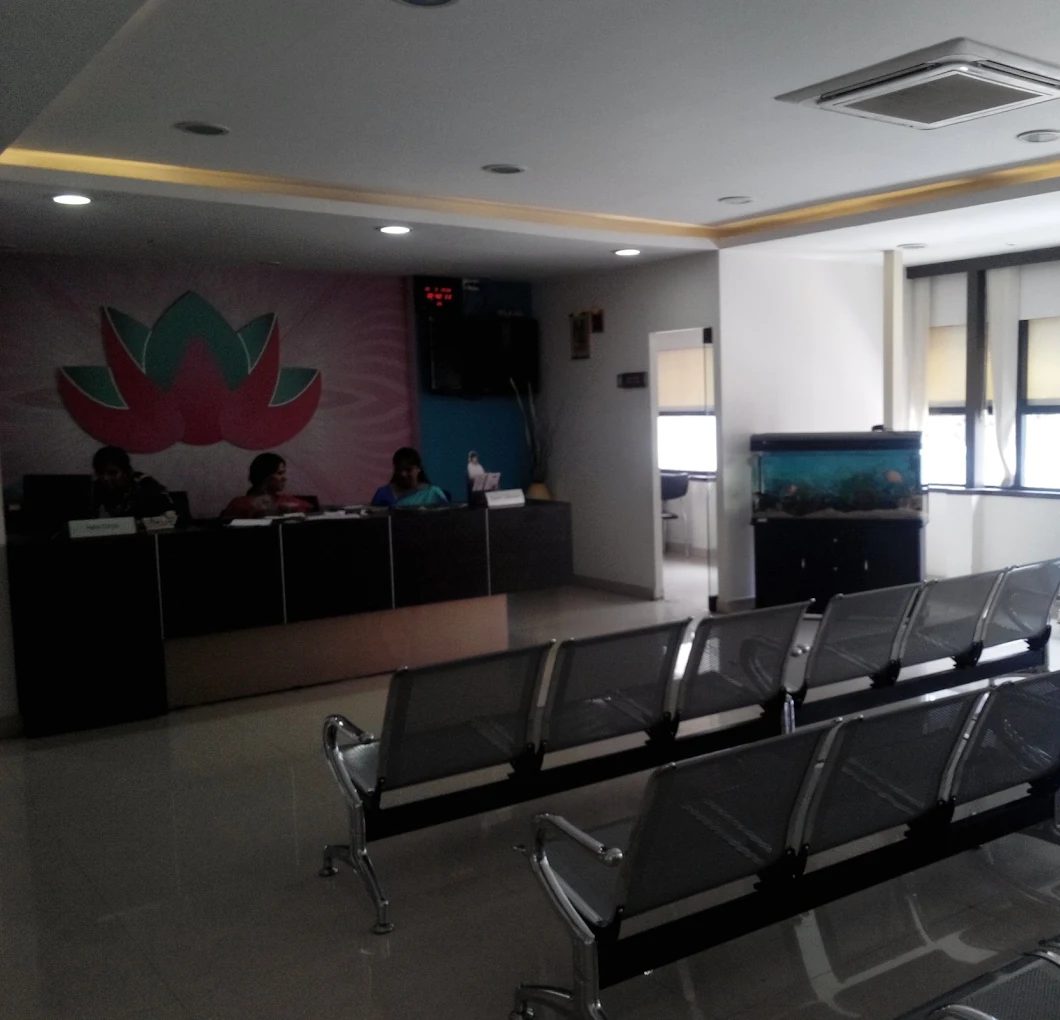 Reception
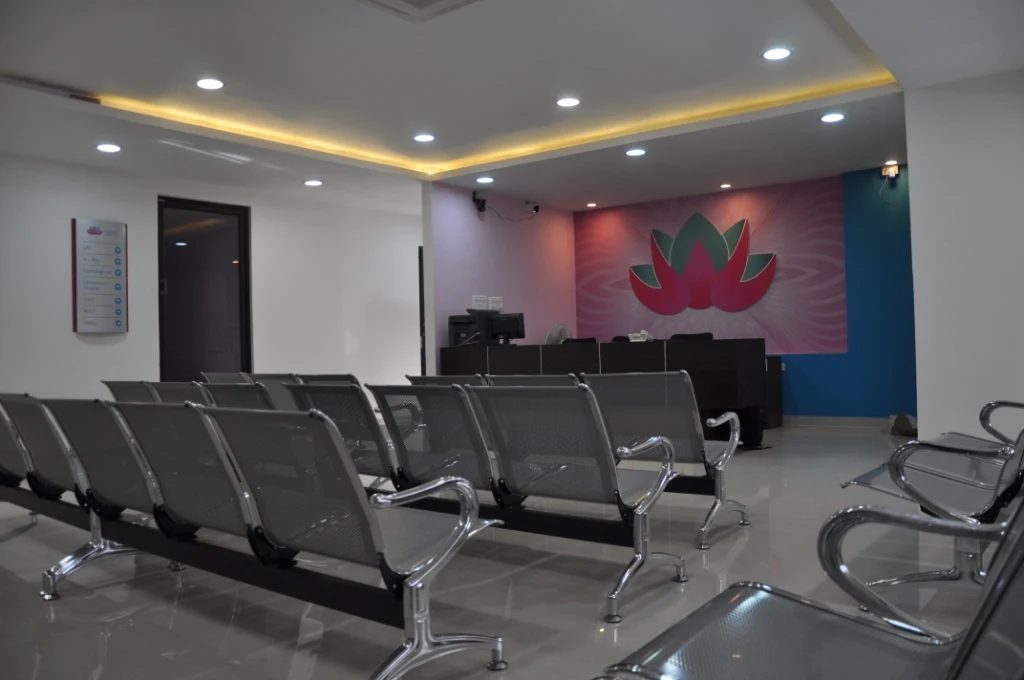 Waiting area
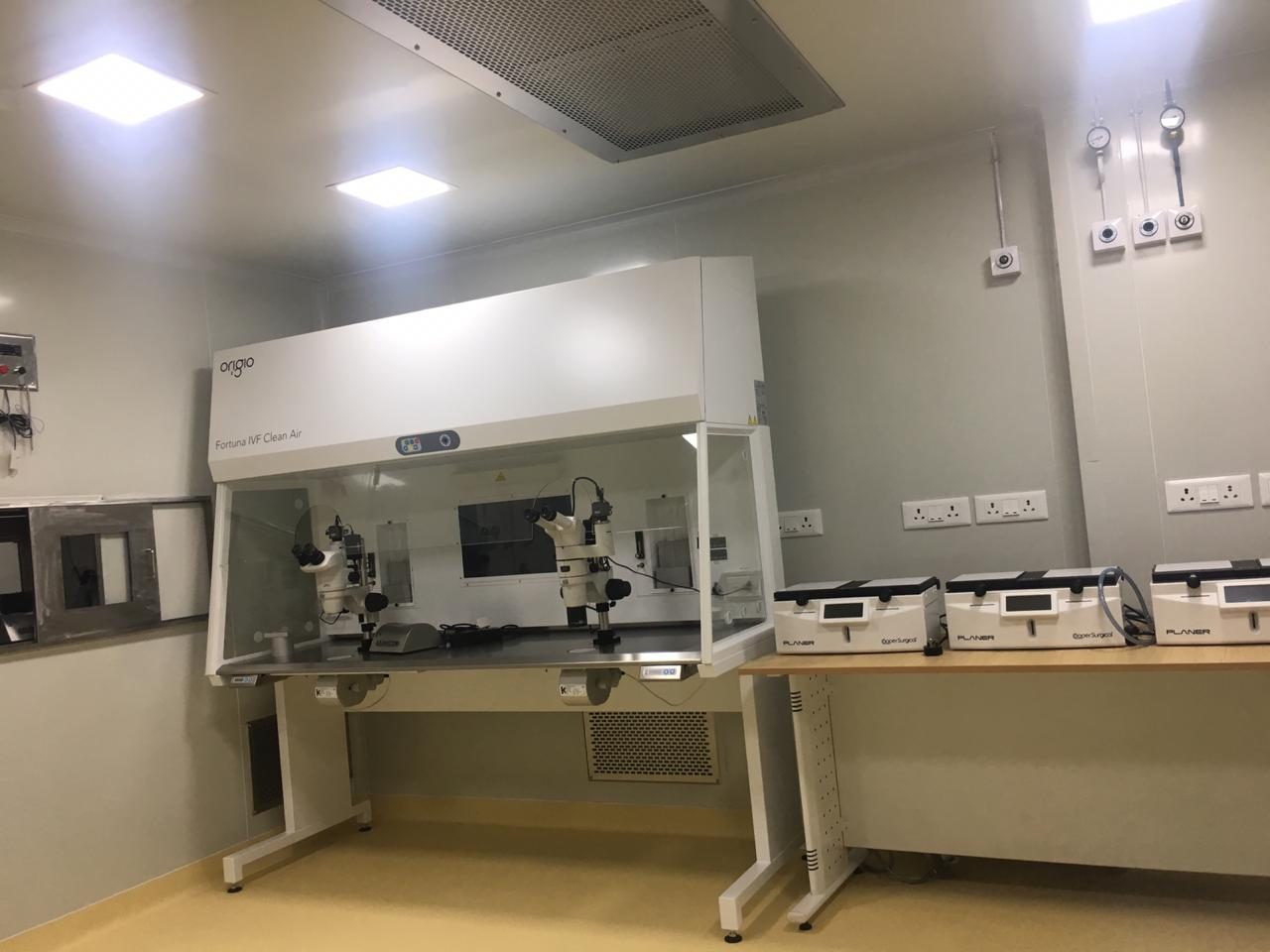 IVF lab
This page explains each test in general terms so you know what to expect. It is not medical advice: your doctor decides which tests you need and what your results mean. Reference ranges differ between laboratories. Updated 4 November 2026.