
HIV 1 and 2 antibody test
Quick answer: This blood test checks for antibodies to HIV-1 and HIV-2. Some methods also detect the p24 antigen. Doctors order it to screen for HIV before IVF, surgery or in pregnancy, after possible exposure, or when symptoms suggest it.
- SampleBlood
- TakesAbout 5 to 10 minutes, including counselling
- Before the testNo special preparation is usually needed.
- In fertility careThis is one of the standard infection screening tests done for both partners before IVF and early in pregnancy. Treatment in pregnancy greatly lowers the chance of passing HIV to the baby.
How the test is done
- 1Staff explain the test and take your consent in private
- 2A nurse draws a small tube of blood from your arm
- 3The sample is tested on a screening assay
- 4Any reactive sample goes through further confirmatory tests before a result is given
What your results can mean
Reading your report
A reactive screening result is always confirmed with further tests before a diagnosis, and a very recent infection may not show yet, so discuss timing with your doctor.
If the result is outside the usual range
A reactive result means HIV may be present and is always confirmed with further tests. A non-reactive result usually means no HIV infection, unless exposure was within the last few weeks.
Who usually has this test
Both partners before IVF, all pregnant women, people before surgery, and anyone who may have been exposed.
Risks and aftercare
Nothing special for the blood draw; results are shared confidentially, often with counselling.
Names and options
Also called: HIV test, HIV ELISA, retroviral test, RVD test, HIV spot test, HIV 1 and 2
Options
- Spot (rapid) test
- ELISA
- Retroviral antibody
Listed by the hospital as
- HIV 1&2, SPOT TEST
- HIV ELISA, SERUM
- RETROVIRAL ANTIBODY
Where this test fits in fertility care
- 1Fertility work-up
- 2Screening before IVF or IUIThis test
- 3During treatment
- 4After embryo transfer
- 5Pregnancy check-ups
- 6If treatment has not worked
The usual order. See every test at each stage →
Questions about this test
Is a retroviral (RVD) test the same as an HIV test?
Yes. Retroviral or RVD test is a common term in India for the HIV antibody test. A reactive result is confirmed with further tests before any diagnosis is made.
How soon after exposure does an HIV test turn positive?
Modern combined tests usually detect HIV within about 2 to 6 weeks, but it can take longer. If the first test is negative soon after a possible exposure, your doctor may advise a repeat test.
Can a person with HIV have IVF?
Yes. With effective treatment and an undetectable viral load, people living with HIV can have IVF and healthy babies. The lab uses special handling, and your doctor plans care to protect your partner and baby.
Related tests
Tamara Hospital & IVF Centre, Rajajinagar
34/3, 10th Cross Road, opp. Vardhaka Sardar Patel School, 1st N Block, 2nd Stage, Rajajinagar, Bengaluru 560010
The hospital is open 24 hours. Call before you come to check the timing for your scan or sample collection.
Get directions ↗IVF Pulse fertility care at Tamara Hospital →
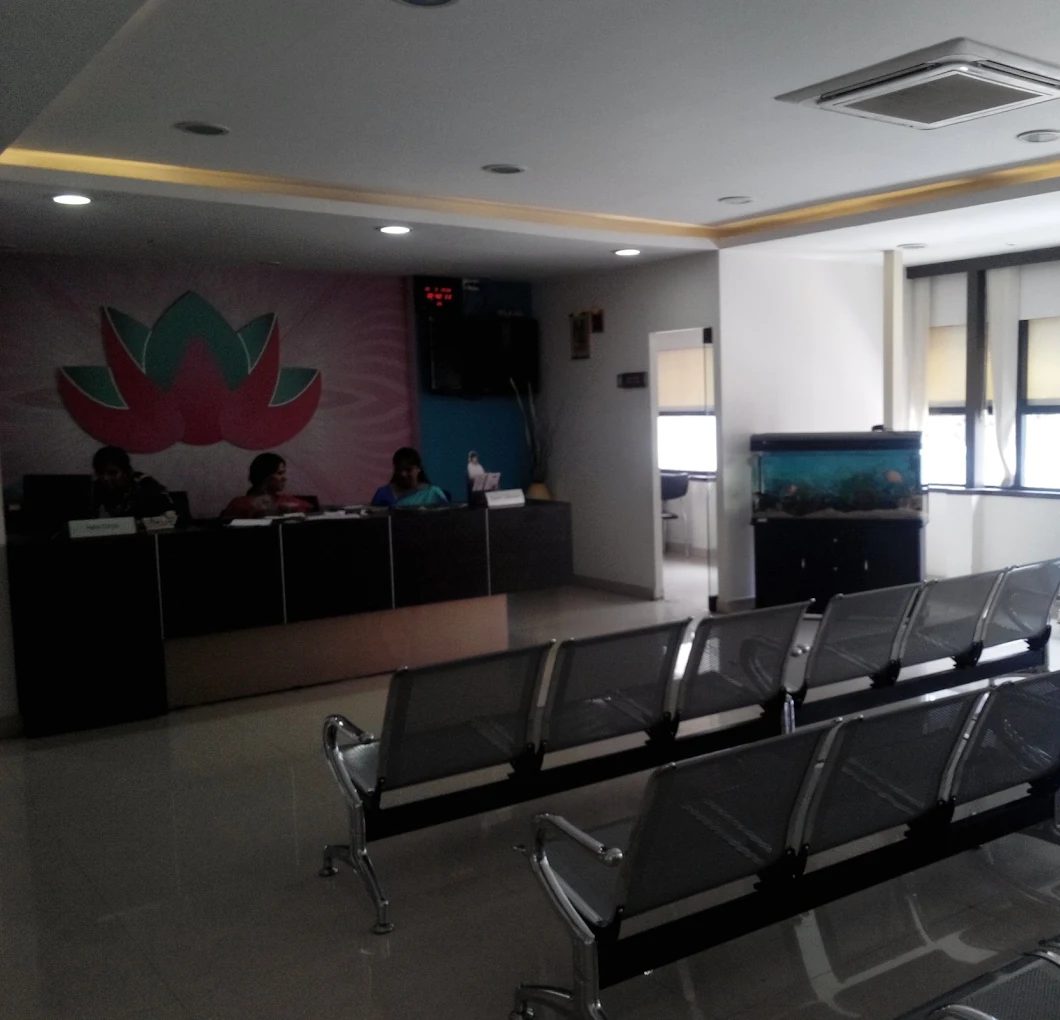 Reception
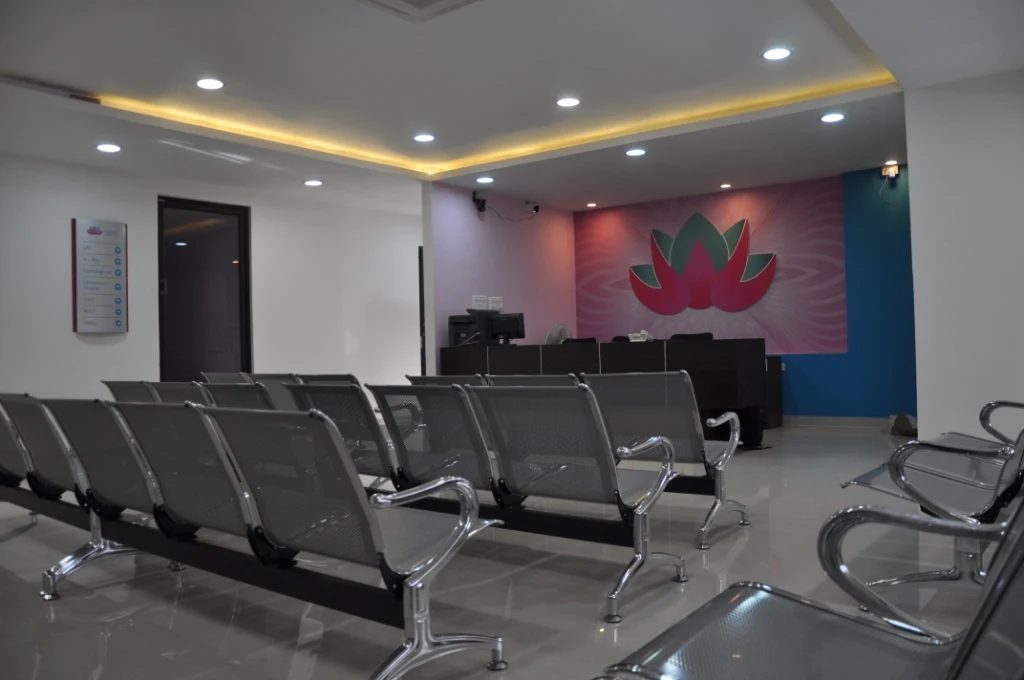 Waiting area
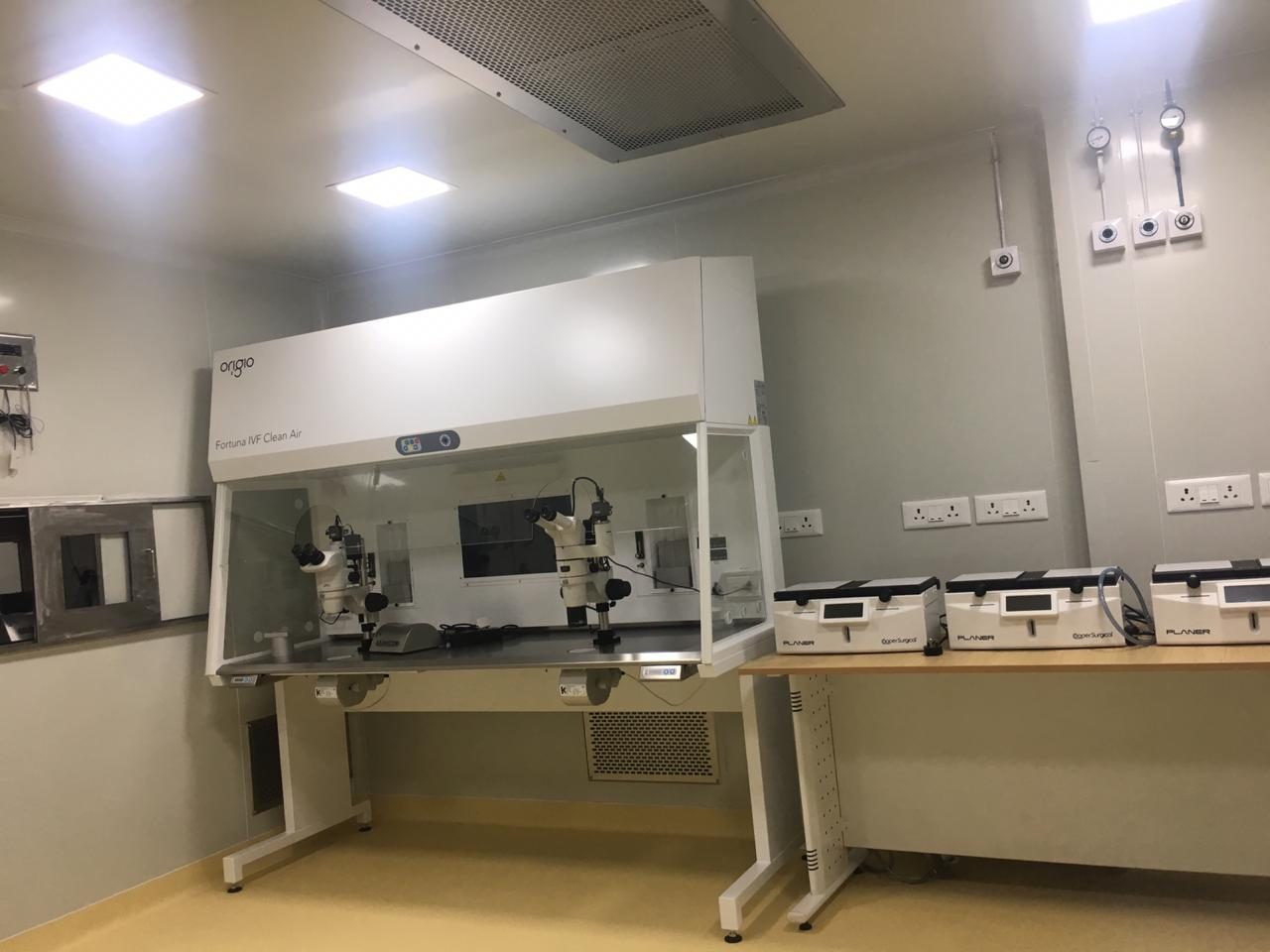 IVF lab
This page explains each test in general terms so you know what to expect. It is not medical advice: your doctor decides which tests you need and what your results mean. Reference ranges differ between laboratories. Updated 4 November 2026.