
G6PD (glucose-6-phosphate dehydrogenase) test
Quick answer: A G6PD test measures an enzyme that protects red blood cells from damage. Doctors order it in newborns with jaundice, after episodes of red cell breakdown, or before giving medicines that can harm people with G6PD deficiency.
- SampleBlood
- TakesAbout 5 minutes
- Before the testNo special preparation is usually needed.
How the test is done
- 1For adults, blood is drawn from a vein
- 2For newborns, a small heel-prick sample may be taken
- 3The lab measures G6PD enzyme activity
- 4If done just after an episode of red cell breakdown, a repeat may be advised
What your results can mean
Reading your report
Results can be falsely normal soon after red cell breakdown or a blood transfusion, so discuss them with your doctor.
If the result is outside the usual range
A low level can point to G6PD deficiency, an inherited condition in which certain medicines, foods such as fava beans or infections can cause red cells to break down. Testing soon after a breakdown episode can give a falsely normal result.
Who usually has this test
Newborns with jaundice, people with red cell breakdown, and people before taking medicines such as primaquine or dapsone.
Risks and aftercare
There is little aftercare; if you are found to be deficient, ask your doctor for a list of medicines and foods to avoid.
Names and options
Also called: G6PD, G6PD deficiency test
Listed by the hospital as
- G6PD (QUANTITATIVE), BLOOD
Questions about this test
What triggers problems in G6PD deficiency?
Certain medicines, fava beans, some chemicals such as mothballs, and infections can trigger red cell breakdown. Your doctor can give a full list.
Is G6PD deficiency more common in men?
Yes. The gene is on the X chromosome, so males are more often affected. Women can be carriers or affected too.
Why might the test need to be repeated?
After red cell breakdown, new young cells have more G6PD and can make the result look normal. A repeat after a few months may be advised.
Related tests
Tamara Hospital & IVF Centre, Rajajinagar
34/3, 10th Cross Road, opp. Vardhaka Sardar Patel School, 1st N Block, 2nd Stage, Rajajinagar, Bengaluru 560010
The hospital is open 24 hours. Call before you come to check the timing for your scan or sample collection.
Get directions ↗IVF Pulse fertility care at Tamara Hospital →
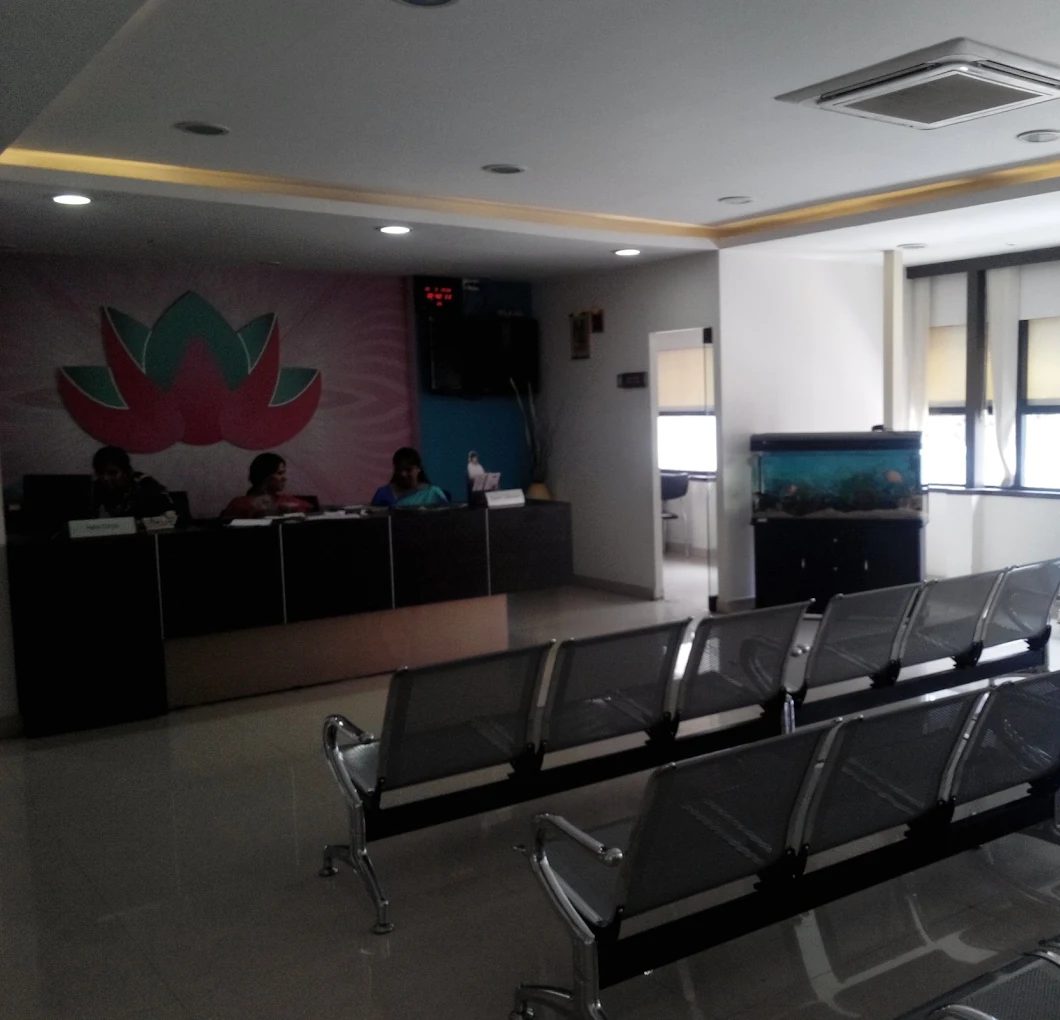 Reception
 Waiting area
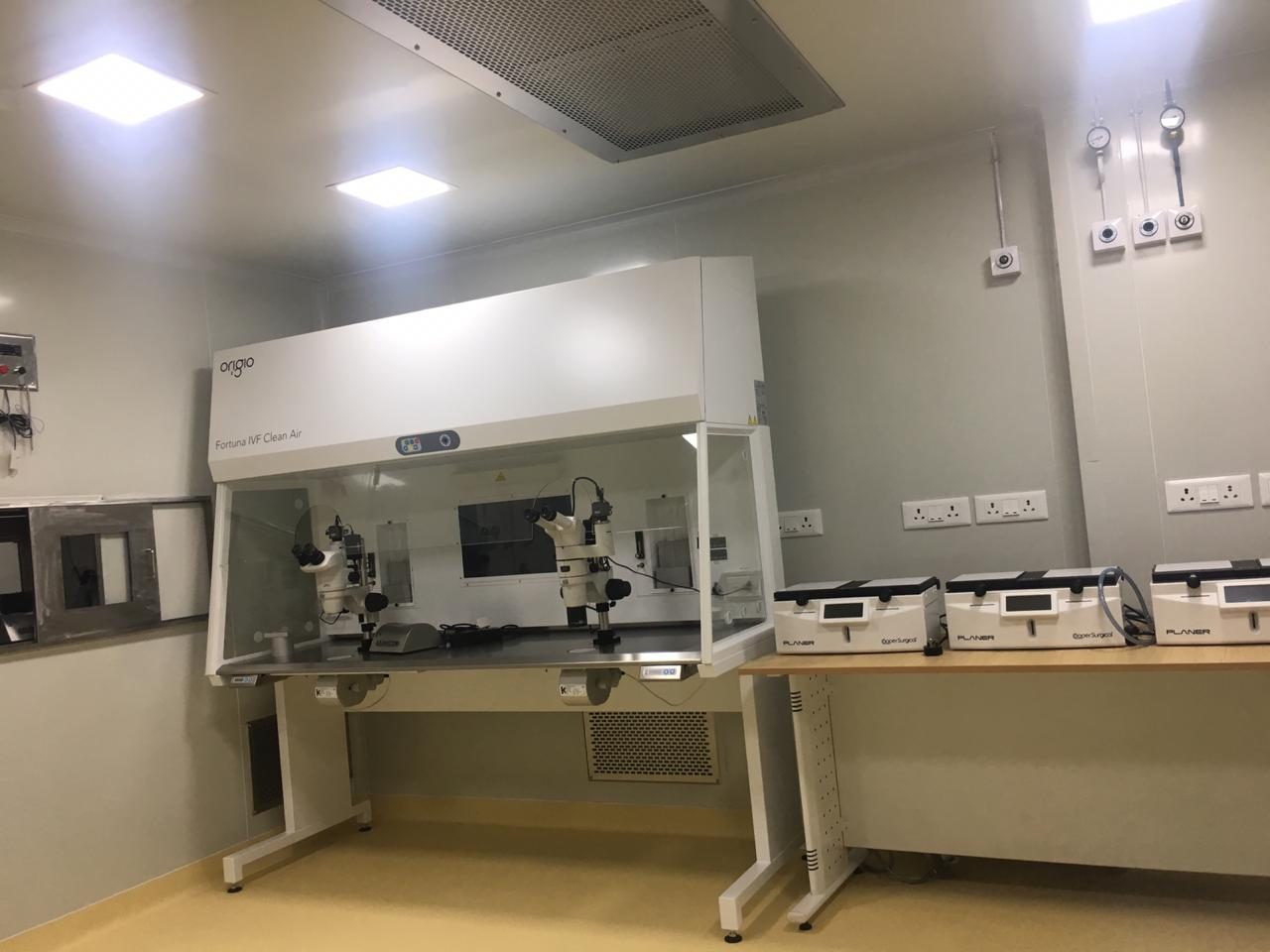 IVF lab
This page explains each test in general terms so you know what to expect. It is not medical advice: your doctor decides which tests you need and what your results mean. Reference ranges differ between laboratories. Updated 4 November 2026.