
Fibrin degradation products (FDP) test
Quick answer: An FDP test measures fragments left over when blood clots break down. Doctors order it with other clotting tests when they suspect a serious clotting problem such as DIC.
- SampleBlood
- TakesAbout 5 minutes
- Before the testNo special preparation is usually needed.
How the test is done
- 1A needle draws blood from a vein into a special tube
- 2The tube is filled to the right level
- 3The sample is sent to the lab promptly
- 4The lab measures fibrin degradation products
What your results can mean
Reading your report
The result is read with other clotting tests, so discuss it with your doctor.
If the result is outside the usual range
A high level can be seen with conditions where clots form and break down quickly, such as DIC, and also with large clots, recent surgery, injury or serious infection.
Who usually has this test
Very ill people with suspected serious clotting problems such as DIC, usually in hospital.
Risks and aftercare
Bruising can be more likely if your clotting is affected, so press firmly on the site.
Names and options
Also called: FDP, fibrin split products
Listed by the hospital as
- FDP, CITRATED PLASMA
Questions about this test
What is DIC?
Disseminated intravascular coagulation is a serious condition in which clotting is switched on throughout the body. It can lead to both clots and bleeding.
How is FDP different from D-dimer?
D-dimer is one specific fragment of broken-down clot. FDP measures a wider group of fragments.
Why is FDP tested with other clotting tests?
No single test diagnoses DIC. Doctors look at FDP, D-dimer, platelets and clotting times together.
Related tests
Tamara Hospital & IVF Centre, Rajajinagar
34/3, 10th Cross Road, opp. Vardhaka Sardar Patel School, 1st N Block, 2nd Stage, Rajajinagar, Bengaluru 560010
The hospital is open 24 hours. Call before you come to check the timing for your scan or sample collection.
Get directions ↗IVF Pulse fertility care at Tamara Hospital →
 Reception
 Waiting area
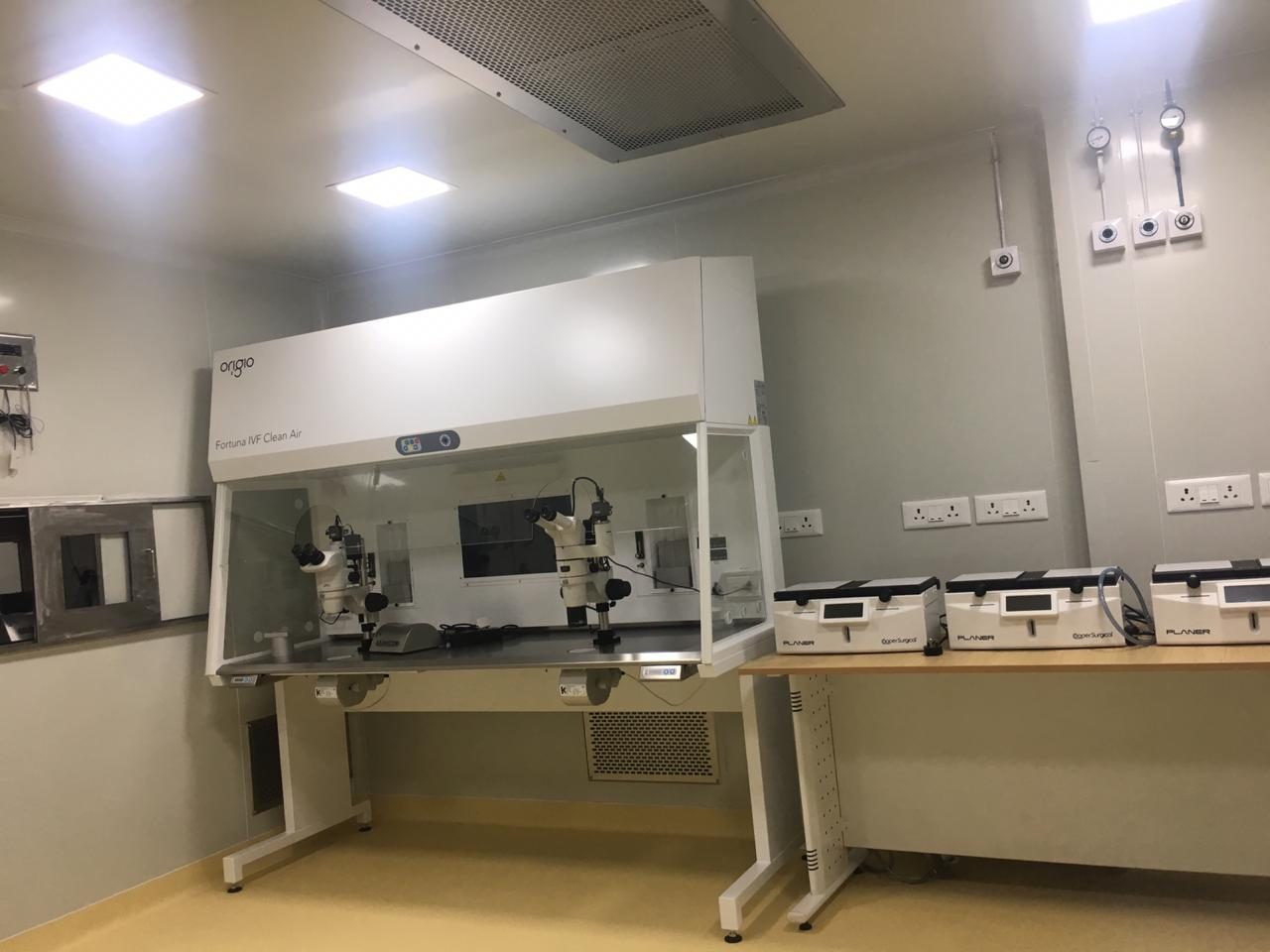 IVF lab
This page explains each test in general terms so you know what to expect. It is not medical advice: your doctor decides which tests you need and what your results mean. Reference ranges differ between laboratories. Updated 4 November 2026.