
CA 15-3 blood test
Quick answer: A CA 15-3 test measures a protein that can be raised in some breast cancers. Doctors use it mainly to follow breast cancer treatment or check for recurrence, not to screen healthy people.
- SampleBlood
- TakesAbout 5 minutes
- Before the testNo special preparation is usually needed.
How the test is done
- 1You sit and the skin on your arm is cleaned
- 2A needle draws a blood sample
- 3The lab measures CA 15-3
- 4Your result may be compared with your earlier results
What your results can mean
Reading your report
A raised level does not confirm cancer on its own, so discuss your result with your doctor.
If the result is outside the usual range
A rising level over time can be seen when breast cancer is growing or has spread, and a falling level when treatment is working. Some liver conditions and other cancers can also raise it.
Who usually has this test
People with breast cancer who are having or have finished treatment, to monitor progress.
Risks and aftercare
There is no special aftercare beyond pressing on the needle site to limit bruising.
Names and options
Also called: CA 15.3, breast cancer marker
Listed by the hospital as
- CA 15.3, SERUM
Questions about this test
Can CA 15-3 detect early breast cancer?
No. It is often normal in early breast cancer and is not used for screening. Mammograms and clinical checks are used for that.
Why does my doctor compare CA 15-3 results over time?
Changes over time are more useful than a single value. A steady rise may lead to scans to look for a cause.
Can non-cancer conditions raise CA 15-3?
Yes. Liver disease, some lung conditions and benign breast conditions can raise it. Your doctor reads it with your history.
Related tests
Tamara Hospital & IVF Centre, Rajajinagar
34/3, 10th Cross Road, opp. Vardhaka Sardar Patel School, 1st N Block, 2nd Stage, Rajajinagar, Bengaluru 560010
The hospital is open 24 hours. Call before you come to check the timing for your scan or sample collection.
Get directions ↗IVF Pulse fertility care at Tamara Hospital →
 Reception
 Waiting area
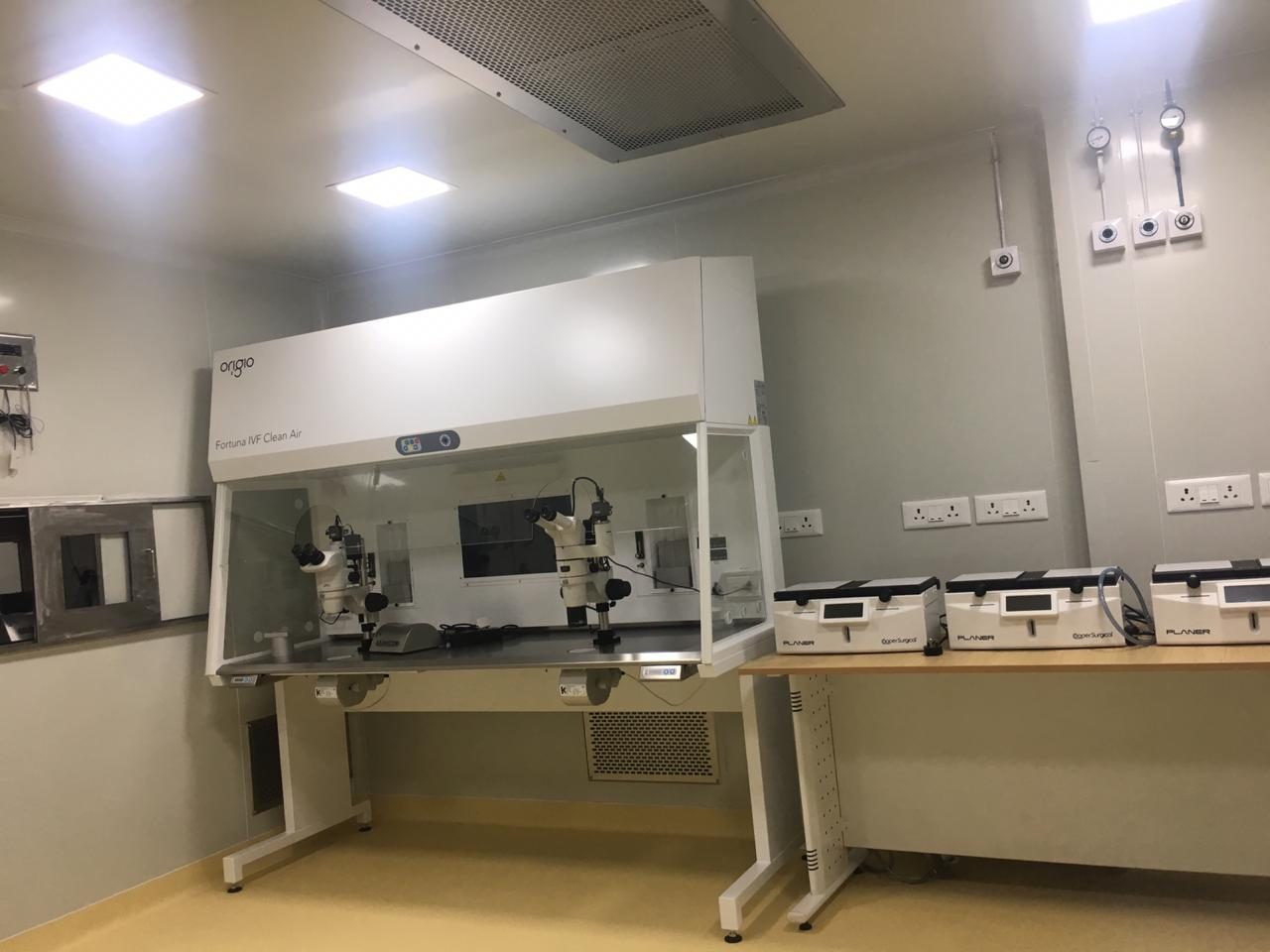 IVF lab
This page explains each test in general terms so you know what to expect. It is not medical advice: your doctor decides which tests you need and what your results mean. Reference ranges differ between laboratories. Updated 4 November 2026.