
ASCA (anti-Saccharomyces cerevisiae antibody) test
Quick answer: This blood test looks for antibodies against Saccharomyces cerevisiae, a common yeast. Doctors may order it with other tests to help tell Crohn's disease apart from ulcerative colitis.
- SampleBlood
- TakesAbout 5 minutes
- Before the testNo special preparation is usually needed.
How the test is done
- 1A nurse checks the request and your details
- 2The inside of your elbow is cleaned
- 3A needle draws blood into a tube
- 4The lab measures IgA and IgG antibodies to baker's yeast
What your results can mean
Reading your report
A positive result does not by itself confirm a disease, because some healthy people test positive; your doctor reads it with your symptoms and other tests.
If the result is outside the usual range
A positive ASCA, especially with a negative p-ANCA, leans towards Crohn's disease rather than ulcerative colitis. It is not a diagnosis, and some people with coeliac disease or healthy relatives also test positive.
Who usually has this test
People with long-term diarrhoea, belly pain or known inflammatory bowel disease where the type is unclear.
Risks and aftercare
No special aftercare apart from pressing on the needle site.
Names and options
Also called: ASCA, ASCA IgA, ASCA IgG, yeast antibody
Options
- IgA
- IgG
Listed by the hospital as
- ASCA IGA (SACCHAROMYCES CEREVISIAE), SERUM
- ASCA IGG (SACCHAROMYCES CEREVISIAE), SERUM
Questions about this test
Can ASCA diagnose Crohn's disease?
No. It can support the diagnosis, but colonoscopy and biopsies are needed to confirm Crohn's disease. The test is mainly used when the type of bowel disease is unclear.
Why is ASCA tested with ANCA?
Crohn's disease is more often ASCA positive and ANCA negative, while ulcerative colitis tends to be the other way round. Looking at both gives a better hint.
Does eating bread or yeast affect the result?
Normal diet is not known to change the result in a way that matters. You do not usually need to change what you eat before the test.
Related tests
Tamara Hospital & IVF Centre, Rajajinagar
34/3, 10th Cross Road, opp. Vardhaka Sardar Patel School, 1st N Block, 2nd Stage, Rajajinagar, Bengaluru 560010
The hospital is open 24 hours. Call before you come to check the timing for your scan or sample collection.
Get directions ↗IVF Pulse fertility care at Tamara Hospital →
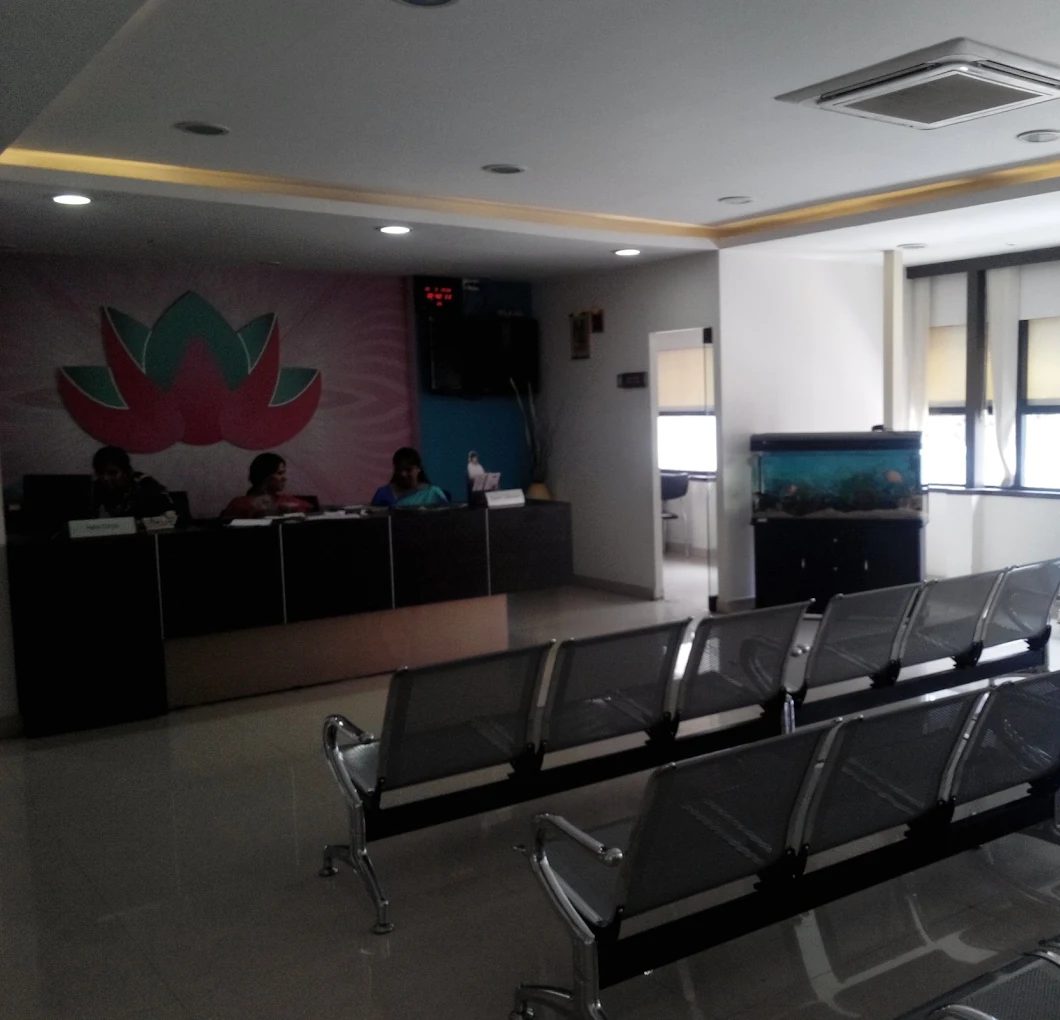 Reception
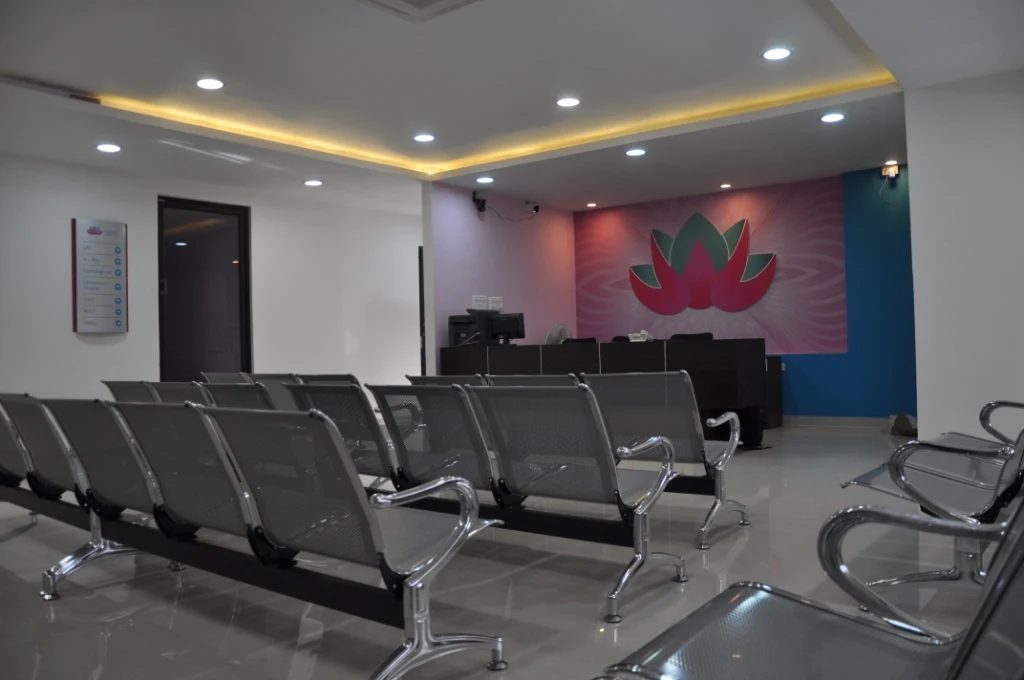 Waiting area
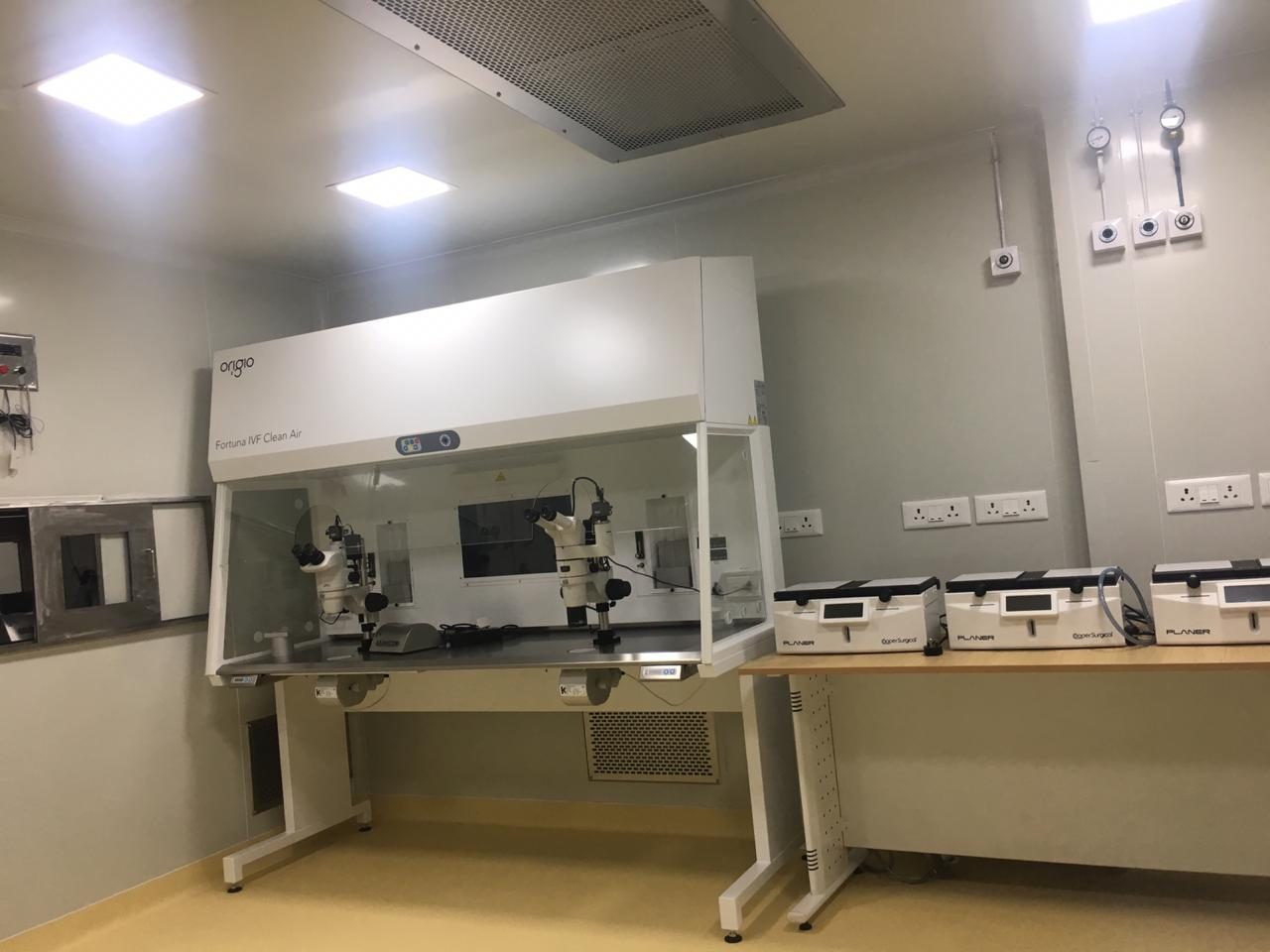 IVF lab
This page explains each test in general terms so you know what to expect. It is not medical advice: your doctor decides which tests you need and what your results mean. Reference ranges differ between laboratories. Updated 4 November 2026.