
Antiphospholipid antibody (APLA) test
Quick answer: An APLA test checks your blood for antiphospholipid antibodies, which can make the blood more likely to clot. Doctors usually order it after unexplained blood clots, recurrent miscarriage or certain pregnancy complications, to check for antiphospholipid syndrome.
- SampleBlood
- TakesAbout 5 to 10 minutes
- Before the testTell staff if you take blood thinners, as some can affect related clotting tests.
- In fertility carePersistent antiphospholipid antibodies are linked to recurrent miscarriage and other pregnancy complications, so they are often checked after repeated losses.
How the test is done
- 1Tell staff about any blood thinners you take
- 2A nurse cleans a vein inside your elbow
- 3Blood is drawn into more than one tube, as several tests are run
- 4The lab checks lupus anticoagulant and antiphospholipid antibody levels
What your results can mean
Reading your report
A single positive result is not enough for a diagnosis; doctors usually repeat it at least 12 weeks later and read it with your history.
If the result is outside the usual range
Persistently positive antibodies can point to antiphospholipid syndrome, which raises the chance of blood clots, miscarriage and some later pregnancy problems. Short-lived positives can be seen after infections or with some medicines.
Who usually has this test
Women with two or more miscarriages or a late pregnancy loss, people with unexplained clots, and some people with lupus.
Risks and aftercare
You may have a small bruise, which can be a little larger if you take blood thinners.
Names and options
Also called: APLA, APL antibody, antiphospholipid antibody, APS test
Options
- APLA screening
- Antiphospholipid antibody IgG
- Antiphospholipid antibody IgM
Listed by the hospital as
- APLA SCREENING
- ANTI PHOSPHOLIPID ANTIBODY IGM, SERUM
Where this test fits in fertility care
- 1Fertility work-up
- 2Screening before IVF or IUI
- 3During treatment
- 4After embryo transfer
- 5Pregnancy check-ups
- 6If treatment has not workedThis test
The usual order. See every test at each stage →
Questions about this test
Why is the APLA test done after miscarriage?
Antiphospholipid syndrome is one of the few treatable causes of recurrent miscarriage. If the antibodies are found on two tests at least 12 weeks apart, your doctor may discuss treatment in a future pregnancy.
Can APLA be positive without antiphospholipid syndrome?
Yes. Antibodies can appear briefly after infections or with some medicines. That is why the test is repeated and read along with your history of clots or pregnancy loss.
Which tests are included in an APLA work-up?
It usually covers lupus anticoagulant, anticardiolipin antibodies and beta-2 glycoprotein I antibodies. The exact set differs between labs, so check your report or ask the hospital.
Related tests
Tamara Hospital & IVF Centre, Rajajinagar
34/3, 10th Cross Road, opp. Vardhaka Sardar Patel School, 1st N Block, 2nd Stage, Rajajinagar, Bengaluru 560010
The hospital is open 24 hours. Call before you come to check the timing for your scan or sample collection.
Get directions ↗IVF Pulse fertility care at Tamara Hospital →
 Reception
 Waiting area
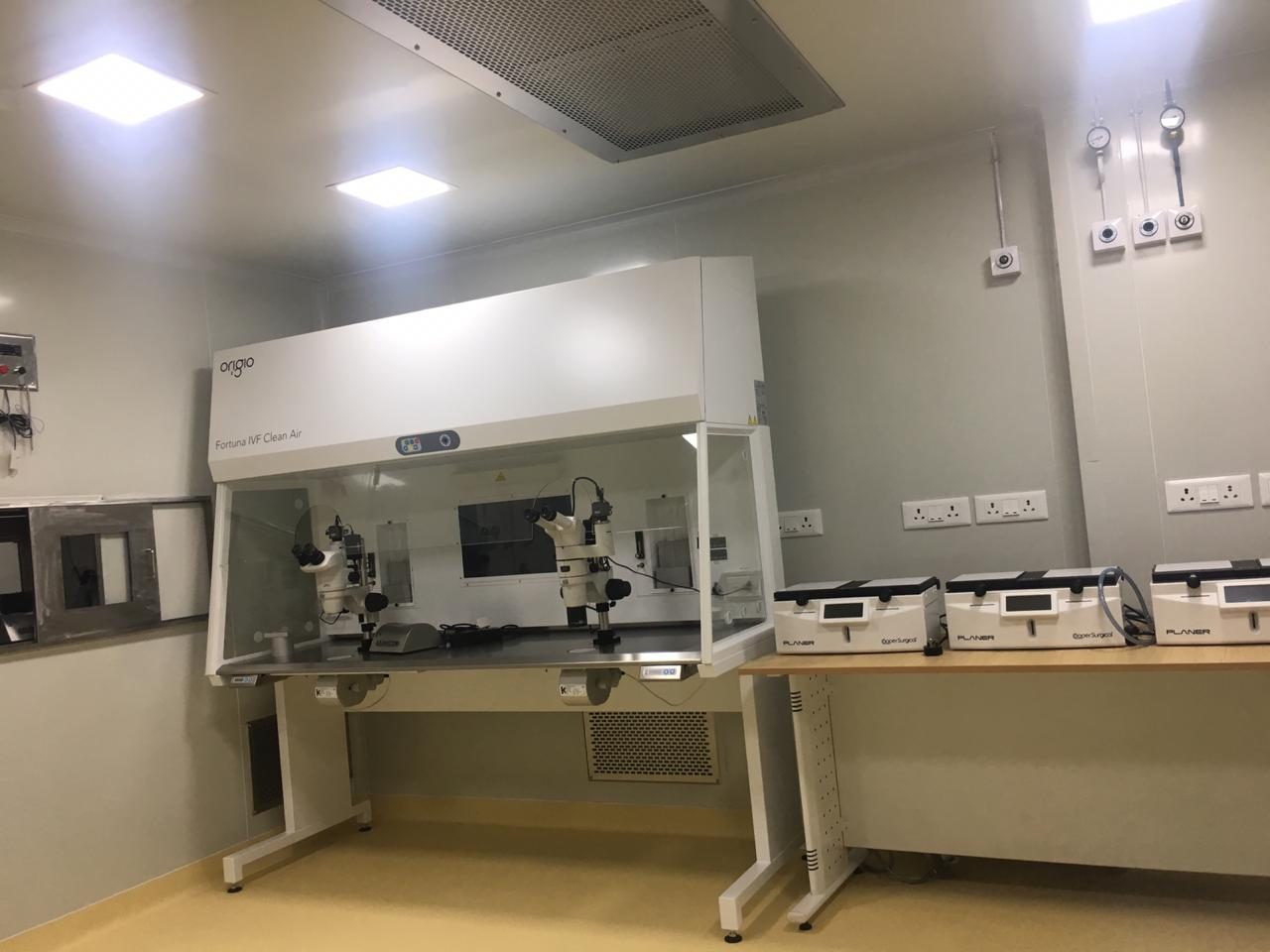 IVF lab
This page explains each test in general terms so you know what to expect. It is not medical advice: your doctor decides which tests you need and what your results mean. Reference ranges differ between laboratories. Updated 4 November 2026.