
Anti-Smith (Sm) antibody test
Quick answer: This blood test looks for antibodies against the Smith (Sm) antigen, a protein in the cell nucleus. Doctors usually order it when lupus is suspected, as this antibody is highly specific for lupus though not present in everyone who has it.
- SampleBlood
- TakesAbout 5 minutes
- Before the testNo special preparation is usually needed.
How the test is done
- 1A nurse explains the blood draw and checks your name
- 2A tourniquet is tied and your elbow crease is cleaned
- 3A needle collects a small tube of blood
- 4The lab checks your serum for antibodies to the Sm antigen
What your results can mean
Reading your report
A positive result does not by itself confirm a disease, because some healthy people test positive; your doctor reads it with your symptoms and other tests.
If the result is outside the usual range
A positive anti-Sm result is strongly linked to lupus and is rarely seen in other conditions. A negative result is common in people with lupus, so it does not rule the disease out.
Who usually has this test
People with a positive ANA and symptoms such as joint pain, rash, mouth ulcers or kidney problems that suggest lupus.
Risks and aftercare
Nothing special is needed afterwards beyond pressing on the needle site.
Names and options
Also called: anti-Sm, Smith antibody, Sm antigen
Listed by the hospital as
- SM (SMITH ANTIGEN), SERUM
- ANTI SMITH ANTIBODY (SM), SERUM
Questions about this test
Why is anti-Smith called highly specific for lupus?
Very few people without lupus test positive, so a positive result strongly supports the diagnosis. It is part of the classification criteria doctors use for lupus.
How common is anti-Smith in lupus?
Only a minority of people with lupus have it, and it is seen more often in some ethnic groups. That is why a negative result does not exclude lupus.
Does anti-Smith level change with lupus activity?
Unlike anti-dsDNA, anti-Smith usually stays fairly steady and is not used to track flares. It is mainly a diagnostic test.
Related tests
Tamara Hospital & IVF Centre, Rajajinagar
34/3, 10th Cross Road, opp. Vardhaka Sardar Patel School, 1st N Block, 2nd Stage, Rajajinagar, Bengaluru 560010
The hospital is open 24 hours. Call before you come to check the timing for your scan or sample collection.
Get directions ↗IVF Pulse fertility care at Tamara Hospital →
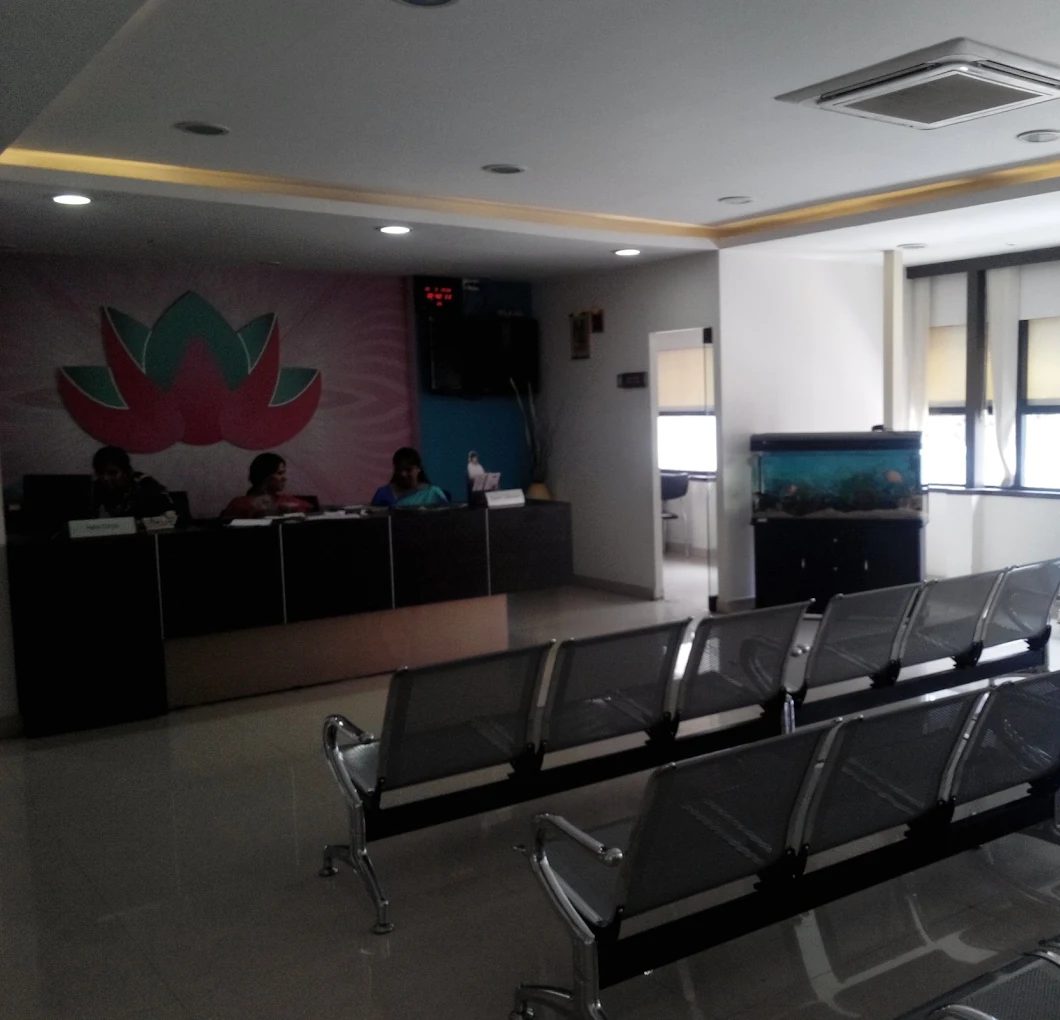 Reception
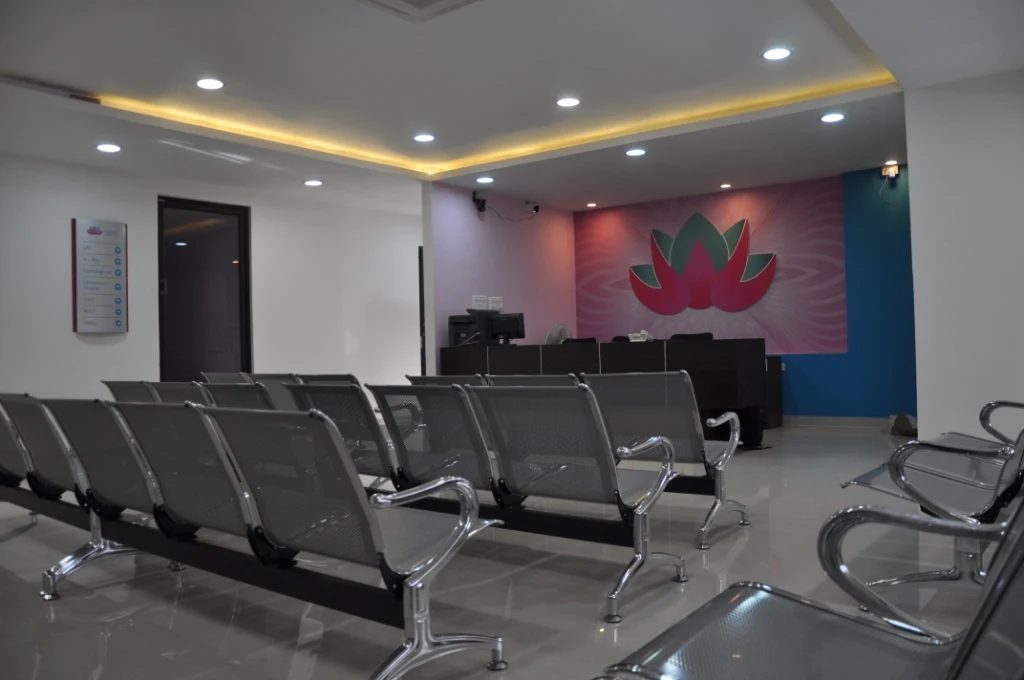 Waiting area
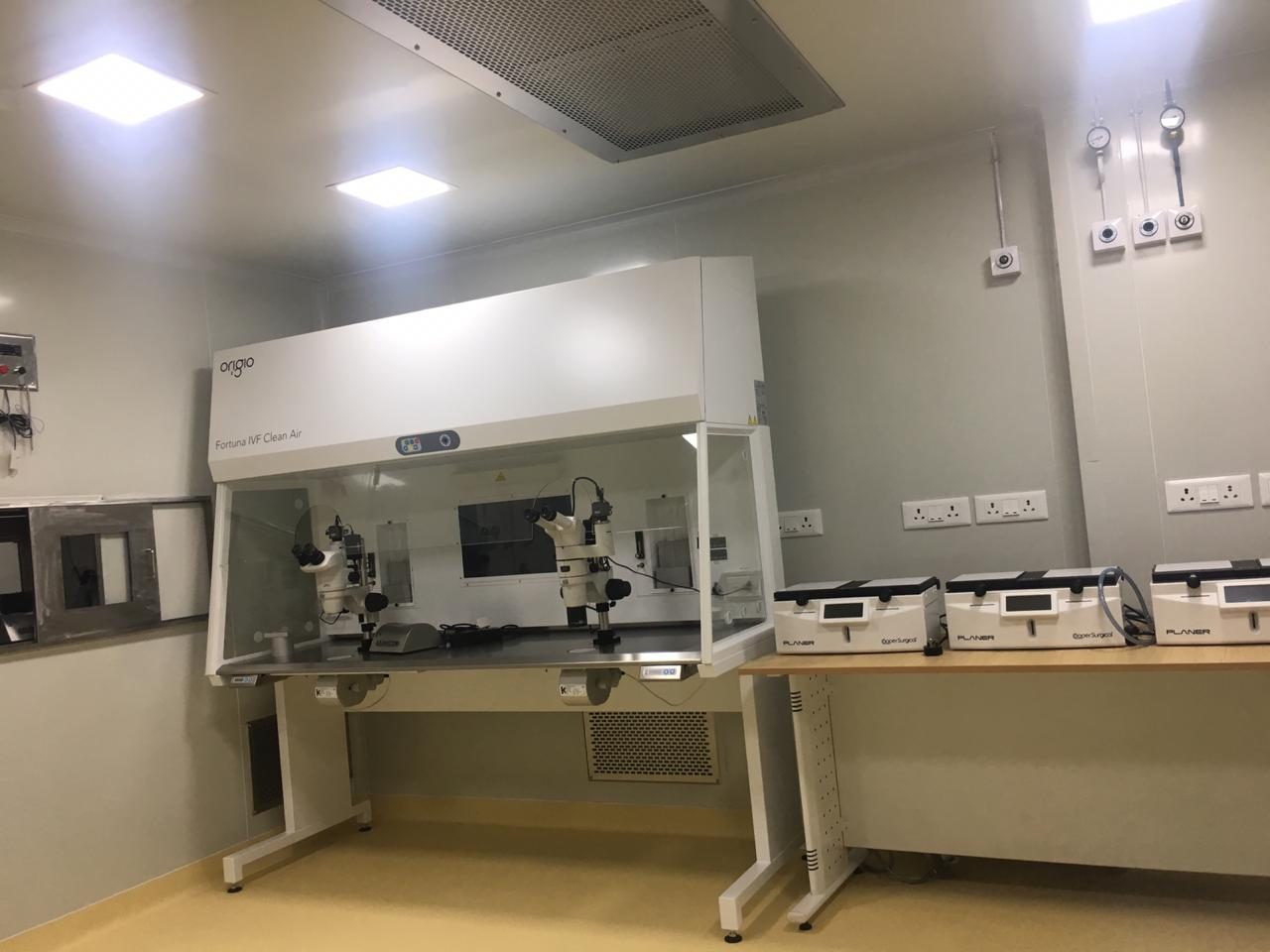 IVF lab
This page explains each test in general terms so you know what to expect. It is not medical advice: your doctor decides which tests you need and what your results mean. Reference ranges differ between laboratories. Updated 4 November 2026.