
Aluminium blood test
Quick answer: This test measures the level of aluminium in your blood. It is mainly used for people on long-term dialysis or with exposure at work.
- SampleBlood
- TakesAbout 5 minutes
- Before the testNo special preparation is usually needed; tell staff about antacids or supplements you take.
How the test is done
- 1You tell staff about antacids, supplements or dialysis
- 2Blood is drawn using special metal-free tubes
- 3The tube is sealed to avoid contamination
- 4The sample is sent for trace metal testing
What your results can mean
Reading your report
Normal ranges differ between labs and by age and sex, so discuss your result with your doctor.
If the result is outside the usual range
A high level can be seen in people on long-term dialysis, people taking aluminium-containing medicines with kidney problems, or after exposure at work. Very high levels over time can affect bones and the brain.
Who usually has this test
People on long-term dialysis, people with kidney failure who take aluminium-based medicines, and workers exposed to aluminium.
Risks and aftercare
The blood draw may leave a small bruise; there is no other aftercare.
Names and options
Also called: serum aluminium, aluminum
Listed by the hospital as
- ALUMINIUM, SERUM
Questions about this test
Why are special tubes used for an aluminium test?
Aluminium is common in the environment and can get into ordinary tubes. Metal-free tubes help make sure the result reflects what is in your blood.
Who is most at risk of high aluminium?
People with kidney failure, as the kidneys normally remove aluminium. Dialysis patients and those taking aluminium-based binders or antacids are monitored.
Can cooking in aluminium pots raise my level?
In people with healthy kidneys, everyday cooking does not usually cause a high level. Your doctor will look at other sources if your result is raised.
Related tests
Tamara Hospital & IVF Centre, Rajajinagar
34/3, 10th Cross Road, opp. Vardhaka Sardar Patel School, 1st N Block, 2nd Stage, Rajajinagar, Bengaluru 560010
The hospital is open 24 hours. Call before you come to check the timing for your scan or sample collection.
Get directions ↗IVF Pulse fertility care at Tamara Hospital →
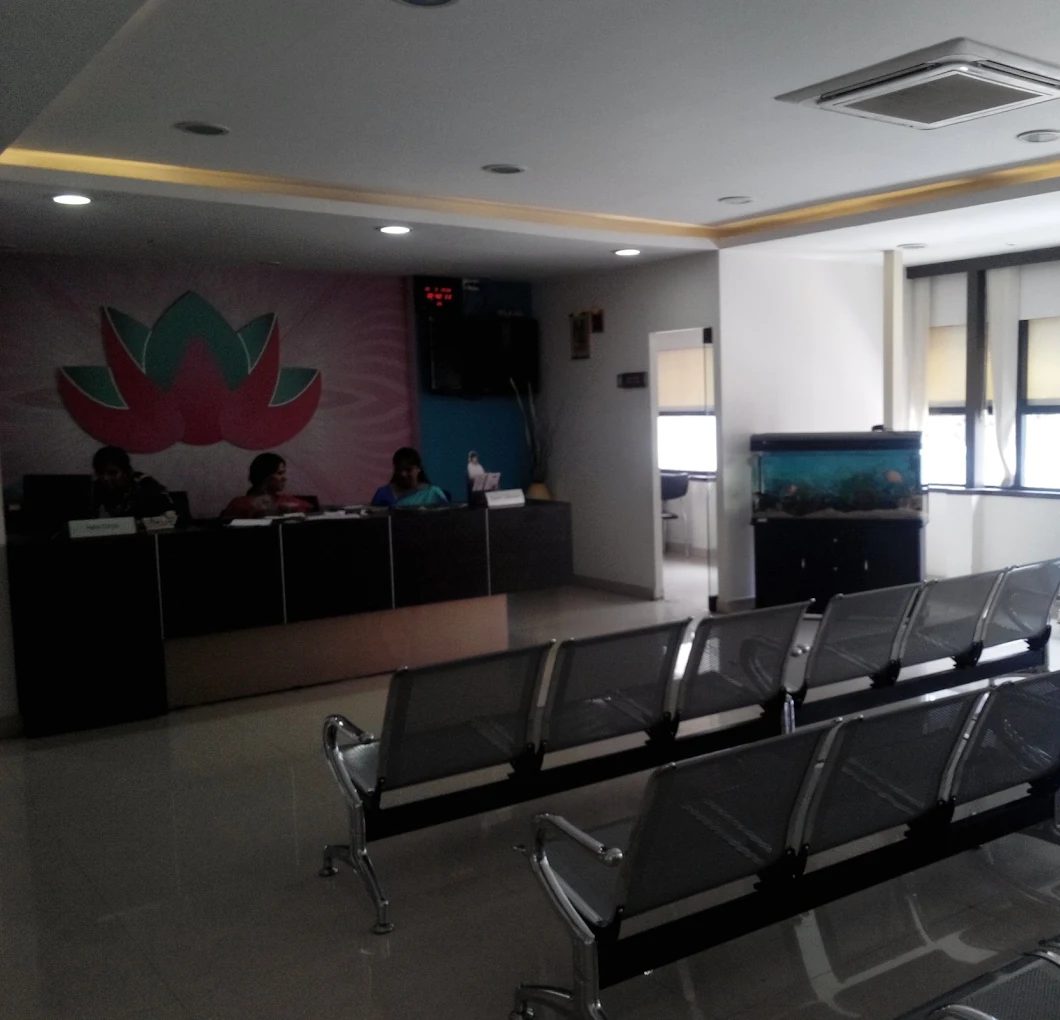 Reception
 Waiting area
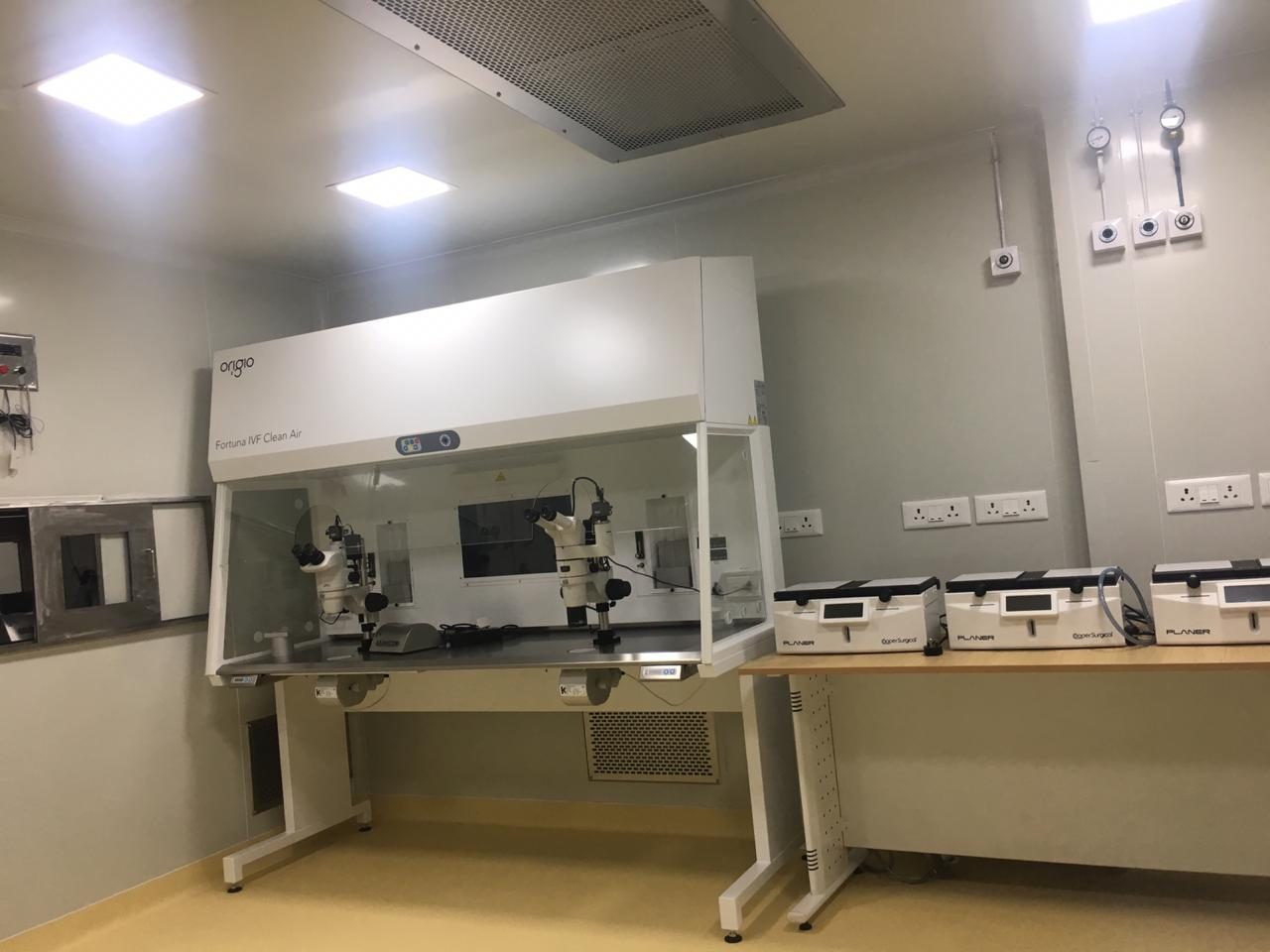 IVF lab
This page explains each test in general terms so you know what to expect. It is not medical advice: your doctor decides which tests you need and what your results mean. Reference ranges differ between laboratories. Updated 4 November 2026.