
Thrombophilia profile
Quick answer: A thrombophilia profile is a group of blood tests that looks for conditions that make blood clot more easily than normal. It may be ordered after unexplained or repeated blood clots, or with a strong family history of clots.
- SampleBlood
- TakesAbout 5 to 10 minutes
- Before the testYour doctor will choose the timing, as recent clots, pregnancy and blood thinners can affect some results; do not stop any medicine on your own.
- In fertility careSome doctors order it after repeated pregnancy loss or certain pregnancy complications, although guidelines limit routine testing to specific situations.
How the test is done
- 1Your doctor chooses the timing, usually away from a recent clot or pregnancy
- 2Several tubes of blood are drawn from a vein
- 3Some tubes must be filled to an exact level and processed quickly
- 4Some genetic tests in the panel may use the same blood sample
What your results can mean
Reading your report
The exact list of tests in this package is available from the hospital; discuss what the results mean for you with your doctor.
If the result is outside the usual range
An abnormal result can point to an inherited or acquired condition that raises clot risk, such as protein C, protein S or antithrombin deficiency, factor V Leiden or antiphospholipid antibodies. Some results can be affected by recent clots, pregnancy or blood thinners, so repeat testing is common.
Who usually has this test
People with unexplained or repeated blood clots, a clot at a young age or a strong family history, and some women after repeated pregnancy loss.
Risks and aftercare
Press firmly on the site after the blood draw, especially if you take blood thinners.
Names and options
Also called: clotting disorder panel, thrombophilia screen
Listed by the hospital as
- THROMBOPHILIA PROFILE
Questions about this test
What tests are in a thrombophilia profile?
Panels often include protein C, protein S, antithrombin, factor V Leiden, prothrombin gene changes and antiphospholipid antibodies such as lupus anticoagulant. Ask the hospital for the exact list in their profile.
Should everyone with a miscarriage have thrombophilia testing?
No. Guidelines generally advise testing for antiphospholipid syndrome after repeated miscarriage, but not routine testing for all inherited clotting conditions. Your doctor will decide which tests are useful for you.
Does a positive result mean I will get a clot?
No. Many people with these conditions never have a clot. A result helps doctors judge your risk in situations such as surgery, pregnancy or long travel.
Related tests
Tamara Hospital & IVF Centre, Rajajinagar
34/3, 10th Cross Road, opp. Vardhaka Sardar Patel School, 1st N Block, 2nd Stage, Rajajinagar, Bengaluru 560010
The hospital is open 24 hours. Call before you come to check the timing for your scan or sample collection.
Get directions ↗IVF Pulse fertility care at Tamara Hospital →
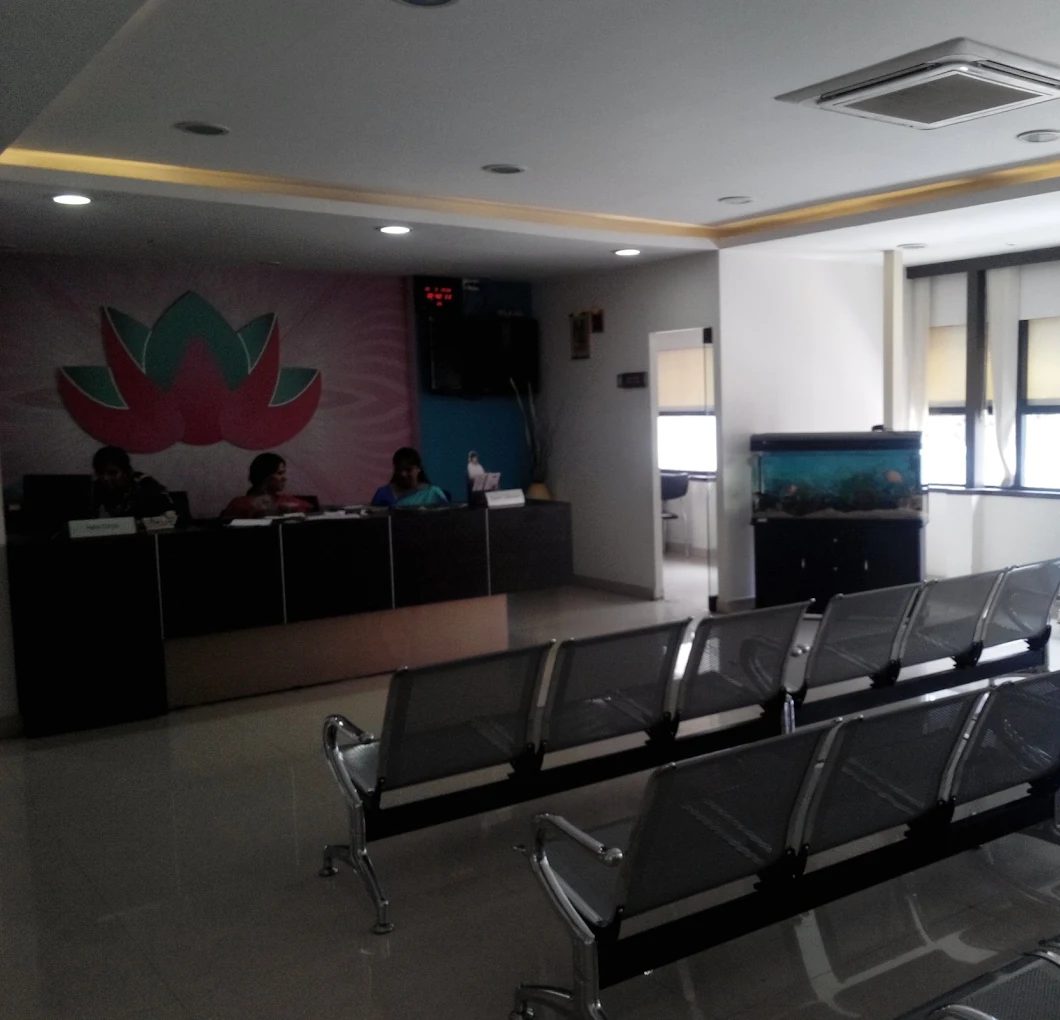 Reception
 Waiting area
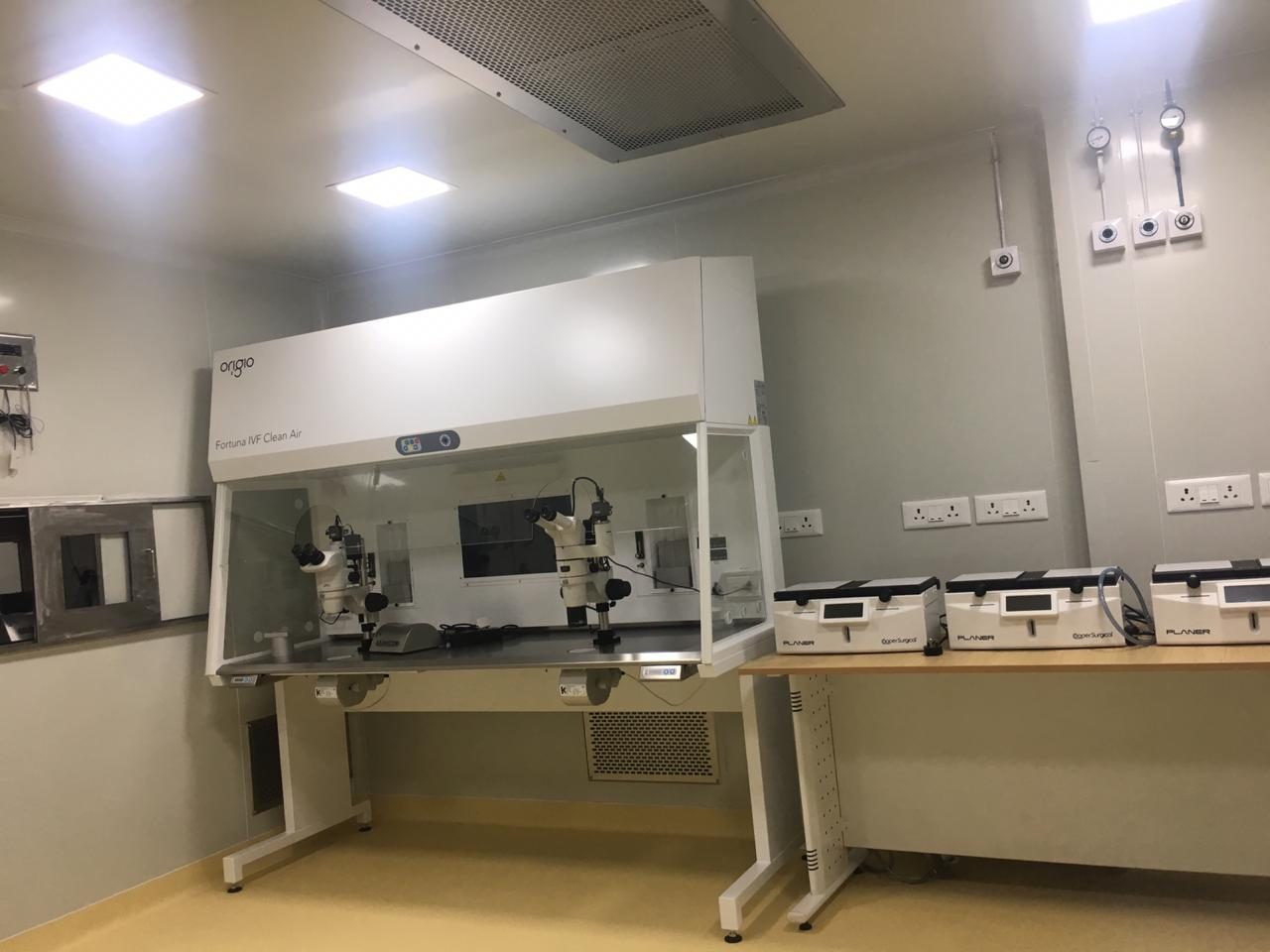 IVF lab
This page explains each test in general terms so you know what to expect. It is not medical advice: your doctor decides which tests you need and what your results mean. Reference ranges differ between laboratories. Updated 4 November 2026.