
Rheumatoid factor (RA factor) test
Quick answer: An RA factor test measures rheumatoid factor, an antibody found in many people with rheumatoid arthritis. Doctors order it when you have joint pain, swelling or stiffness to help look for rheumatoid arthritis and some other autoimmune conditions.
- SampleBlood
- TakesAbout 5 minutes
- Before the testNo special preparation is usually needed.
How the test is done
- 1You are seated and a vein in your arm is chosen
- 2The skin is cleaned and a needle draws blood
- 3The tube is labelled and sent to the lab
- 4A plaster is placed on the spot
What your results can mean
Reading your report
Some healthy people have a positive result and some people with arthritis are negative, so it is read with your symptoms; discuss it with your doctor.
If the result is outside the usual range
A positive RA factor can be seen with rheumatoid arthritis, Sjogren's syndrome, some long-term infections such as hepatitis C, and in some healthy older people. A negative result does not rule out rheumatoid arthritis.
Who usually has this test
People with joint pain, swelling or morning stiffness, especially in the hands and feet, where rheumatoid arthritis is being considered.
Risks and aftercare
There is no recovery time, though your arm may feel slightly sore for a few hours.
Names and options
Also called: RF test, RA test, rheumatoid factor
Listed by the hospital as
- RA FACTOR (QUANTITATIVE), SERUM
Questions about this test
Can I have rheumatoid arthritis with a negative RA factor?
Yes. Some people with rheumatoid arthritis have a negative RA factor, especially early on. Doctors may also check anti-CCP antibodies and look at your symptoms and examination.
What is the difference between RA factor and anti-CCP?
Both are antibodies linked with rheumatoid arthritis. Anti-CCP is more specific, meaning a positive result is more likely to point to rheumatoid arthritis, and the two are often tested together.
Can rheumatoid arthritis affect pregnancy plans?
Some medicines used for rheumatoid arthritis are not safe in pregnancy. If you are planning a pregnancy, talk to your doctor early, and do not change your medicines on your own.
Related tests
Tamara Hospital & IVF Centre, Rajajinagar
34/3, 10th Cross Road, opp. Vardhaka Sardar Patel School, 1st N Block, 2nd Stage, Rajajinagar, Bengaluru 560010
The hospital is open 24 hours. Call before you come to check the timing for your scan or sample collection.
Get directions ↗IVF Pulse fertility care at Tamara Hospital →
 Reception
 Waiting area
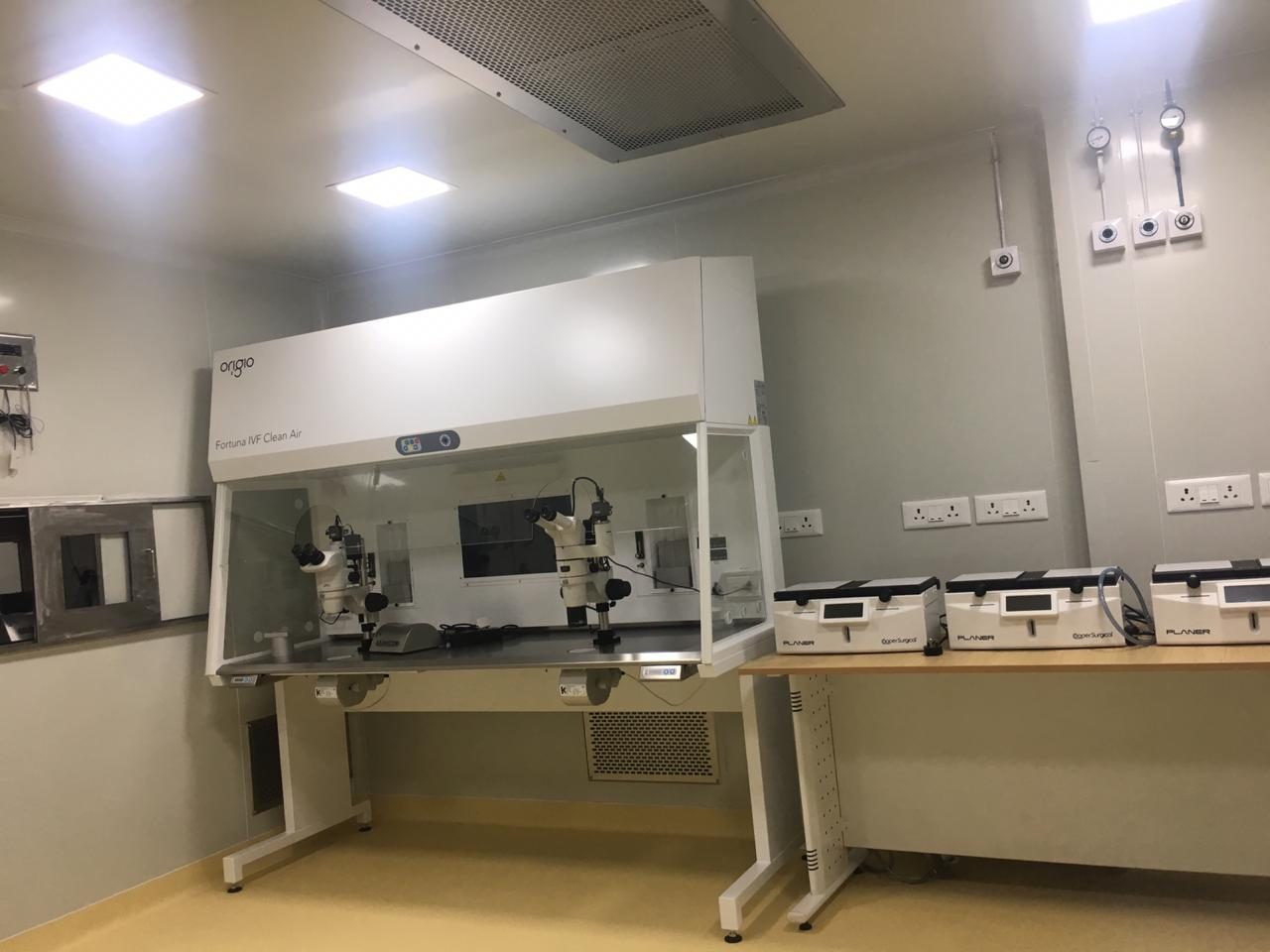 IVF lab
This page explains each test in general terms so you know what to expect. It is not medical advice: your doctor decides which tests you need and what your results mean. Reference ranges differ between laboratories. Updated 4 November 2026.