
IGF-1 (insulin-like growth factor 1) blood test
Quick answer: An IGF-1 test measures a hormone made in response to growth hormone and reflects growth hormone activity over time. Doctors order it to look for growth hormone deficiency or excess (acromegaly) and to monitor treatment.
- SampleBlood
- TakesAbout 5 minutes
- Before the testNo special preparation is usually needed.
How the test is done
- 1You can usually come at any time of day
- 2A needle draws blood from a vein
- 3The lab measures IGF-1
- 4Your result is compared with ranges for your age and sex
What your results can mean
Reading your report
Ranges depend strongly on age, so discuss your result with your doctor.
If the result is outside the usual range
A high level can be seen with acromegaly, where too much growth hormone is made, and during puberty or pregnancy. A low level can be seen with growth hormone deficiency, poor nutrition, liver disease or an underactive thyroid.
Who usually has this test
Children with slow growth, adults with signs of acromegaly, and people being treated with growth hormone.
Risks and aftercare
A plaster is all you need afterwards.
Names and options
Also called: IGF-1, somatomedin C
Listed by the hospital as
- INSULIN LIKE GROWTH FACTOR-1 (IGF-1)
Questions about this test
Why is IGF-1 measured instead of growth hormone?
Growth hormone levels go up and down through the day, but IGF-1 stays fairly steady. This makes IGF-1 a useful first test.
Does age affect IGF-1?
Yes. It is highest in puberty and falls with age, so results are compared with age-matched ranges.
Can poor nutrition lower IGF-1?
Yes. Low food intake and weight loss can lower IGF-1, so your doctor reads it with your general health.
Related tests
Tamara Hospital & IVF Centre, Rajajinagar
34/3, 10th Cross Road, opp. Vardhaka Sardar Patel School, 1st N Block, 2nd Stage, Rajajinagar, Bengaluru 560010
The hospital is open 24 hours. Call before you come to check the timing for your scan or sample collection.
Get directions ↗IVF Pulse fertility care at Tamara Hospital →
 Reception
 Waiting area
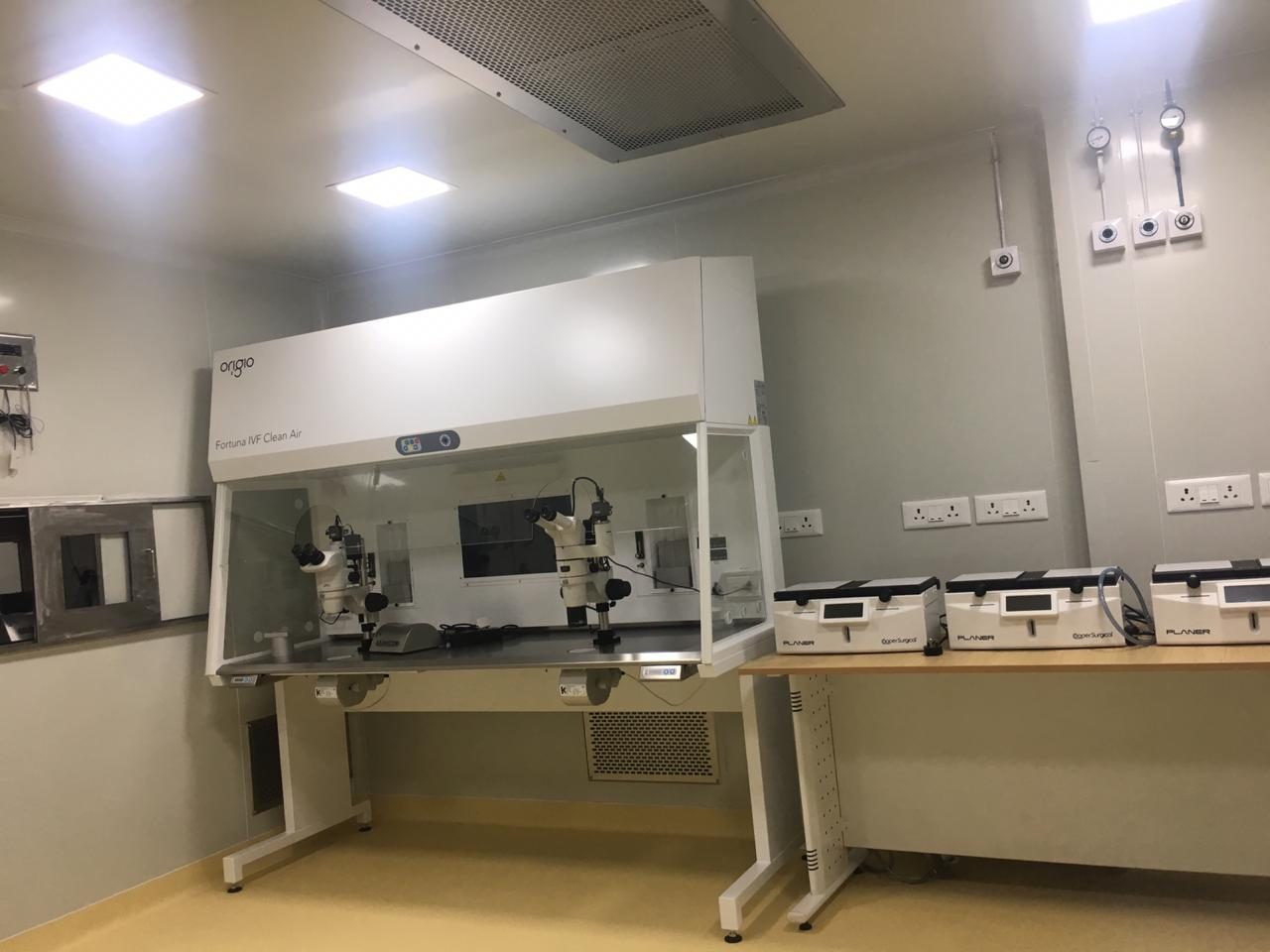 IVF lab
This page explains each test in general terms so you know what to expect. It is not medical advice: your doctor decides which tests you need and what your results mean. Reference ranges differ between laboratories. Updated 4 November 2026.