
DHEA blood test
Quick answer: A DHEA test measures dehydroepiandrosterone, a hormone made mainly by the adrenal glands that the body turns into testosterone and oestrogen. Doctors order it to look into adrenal function or signs of high androgens such as extra hair growth and irregular periods.
- SampleBlood
- TakesAbout 5 minutes
- Before the testAn early-morning sample may be requested.
How the test is done
- 1You may be asked to come in the morning
- 2The skin over a vein is cleaned
- 3A needle draws blood into a tube
- 4The lab measures DHEA
What your results can mean
Reading your report
Hormone ranges differ between labs and by age, sex and cycle day, so discuss your result with your doctor.
If the result is outside the usual range
A high level can be seen with PCOS, congenital adrenal hyperplasia or, rarely, an adrenal tumour. A low level can be seen with adrenal insufficiency or with ageing.
Who usually has this test
Women with extra hair growth, acne or irregular periods, and people with suspected adrenal problems.
Risks and aftercare
Mild bruising may occur where the needle went in.
Names and options
Also called: DHEA, dehydroepiandrosterone
Listed by the hospital as
- DHEA
Questions about this test
How is DHEA different from DHEA-S?
DHEA changes through the day, while DHEA-S, its stored form, is steadier. DHEA-S is more often used for adrenal checks.
Does DHEA fall with age?
Yes. DHEA peaks in early adulthood and falls steadily with age.
Should I take DHEA supplements for fertility?
Some clinics discuss DHEA for women with low ovarian reserve, but the evidence is limited. Only take it if your fertility doctor advises.
Related tests
Tamara Hospital & IVF Centre, Rajajinagar
34/3, 10th Cross Road, opp. Vardhaka Sardar Patel School, 1st N Block, 2nd Stage, Rajajinagar, Bengaluru 560010
The hospital is open 24 hours. Call before you come to check the timing for your scan or sample collection.
Get directions ↗IVF Pulse fertility care at Tamara Hospital →
 Reception
 Waiting area
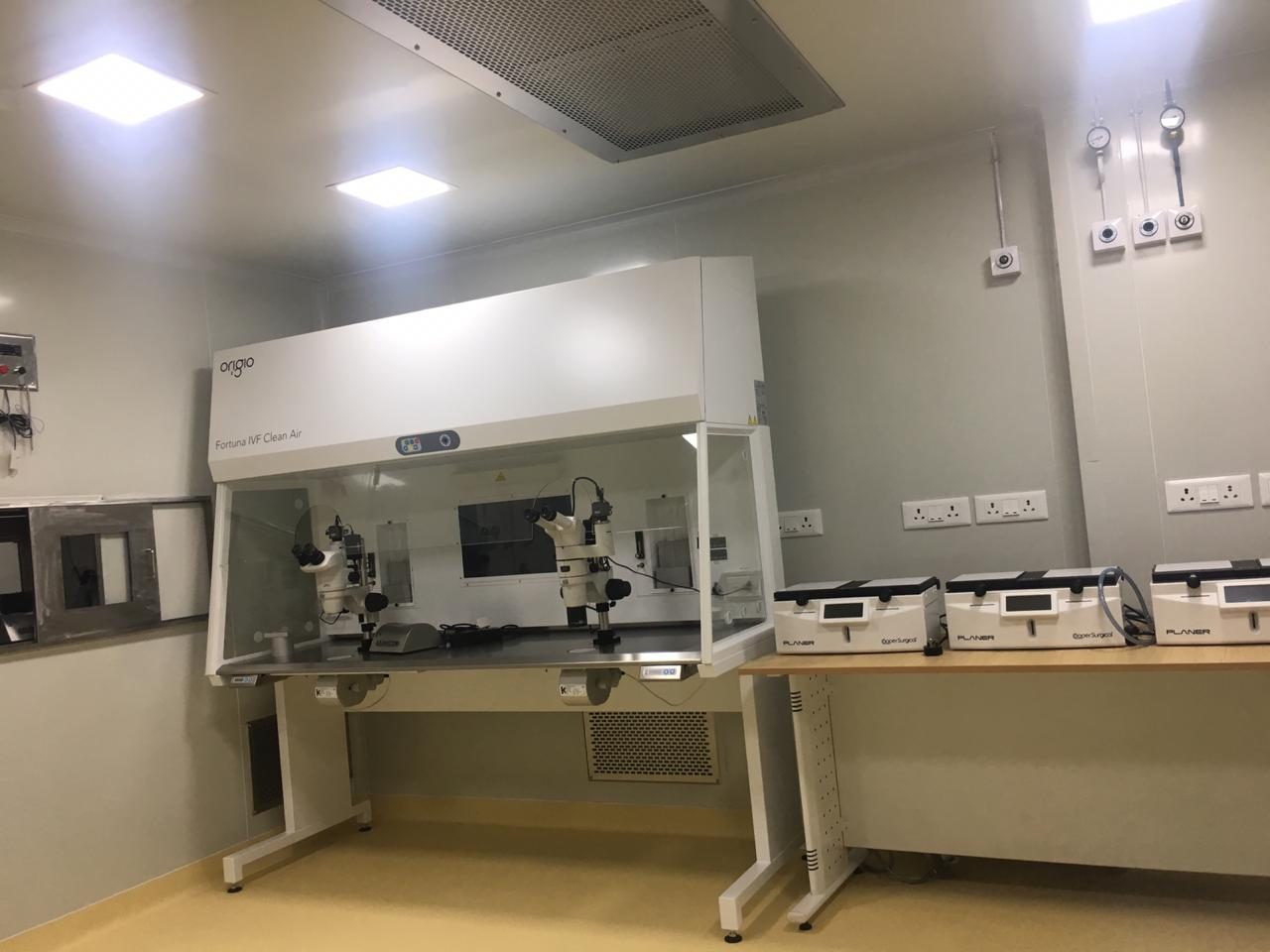 IVF lab
This page explains each test in general terms so you know what to expect. It is not medical advice: your doctor decides which tests you need and what your results mean. Reference ranges differ between laboratories. Updated 4 November 2026.