The Pros and Cons of Fertility Apps for Couples
27/01/2025 • 10 min
In recent years, the rise of technology has permeated nearly every aspect of our lives, and fertility is no exception. Fertility apps have become a popular tool for couples trying to conceive, offering a modern approach to understanding and tracking reproductive health. These apps are designed to assist users in monitoring their menstrual cycles, predicting ovulation, and identifying the most fertile days of the month. By leveraging data input by the user, such as basal body temperature, cervical mucus changes, and menstrual cycle length, these apps provide personalized insights that can help couples plan their conception efforts more effectively.
The convenience of having such information at one's fingertips cannot be overstated. Fertility apps often come equipped with features like reminders for medication, ovulation tests, and even lifestyle tips to enhance fertility. They can also serve as a valuable communication tool between partners, fostering a shared understanding and involvement in the fertility journey. As the demand for digital health solutions grows, fertility apps continue to evolve, incorporating advanced algorithms and integrating with wearable devices to offer even more precise and comprehensive fertility tracking.
However, with the plethora of options available, it can be overwhelming for couples to choose the right app that suits their needs. Understanding the capabilities and limitations of these apps is crucial in making an informed decision. This blog will explore the pros and cons of fertility apps, how they compare to traditional methods, and provide guidance on selecting the right app for your unique fertility journey.
Fertility apps have become an increasingly popular tool for couples trying to conceive, offering a blend of technology and personal health management. These apps typically work by tracking a woman's menstrual cycle, predicting ovulation, and identifying fertile windows. By inputting data such as the start and end dates of menstrual cycles, basal body temperature, and other physical symptoms, these apps use algorithms to analyze patterns and predict the most fertile days.
Many fertility apps also incorporate features like reminders for medication, lifestyle tips, and even integration with wearable devices to automatically capture health data. Some advanced apps use machine learning to refine their predictions over time, becoming more accurate as they learn from the user's data. Additionally, many apps offer educational resources, community support, and personalized insights, making them a comprehensive tool for managing fertility.
The convenience of having all this information in one place, accessible via a smartphone, allows couples to make informed decisions about their reproductive health. However, it's important to note that while these apps can provide valuable insights, they should not replace professional medical advice or consultation with a healthcare provider.
While fertility apps offer numerous benefits, there are also several drawbacks that couples should consider. One of the primary concerns is the accuracy of the data provided by these apps. Many fertility apps rely on user-inputted data and algorithms that may not always accurately predict ovulation or fertility windows. This can lead to misinformation and potentially missed opportunities for conception.
Another significant downside is the potential for increased anxiety and stress. Constantly tracking fertility metrics can become overwhelming, and for some couples, it may lead to obsessive behavior or unnecessary pressure. This can negatively impact mental health and the overall experience of trying to conceive.
Privacy is another critical issue with fertility apps. Users often input sensitive personal information, and there is always a risk of data breaches or misuse of this information. Couples should be cautious and ensure that the app they choose has robust privacy policies and data protection measures in place.
Additionally, fertility apps may not be suitable for everyone. For couples with irregular cycles or underlying health conditions affecting fertility, these apps may not provide the necessary support or accurate insights. In such cases, consulting with a healthcare professional may be more beneficial.
Lastly, the over-reliance on technology can sometimes overshadow the importance of professional medical advice. While apps can be a helpful tool, they should not replace consultations with fertility specialists or other healthcare providers who can offer personalized and comprehensive guidance.
When it comes to tracking fertility, couples have traditionally relied on methods such as the calendar method, basal body temperature (BBT) tracking, and cervical mucus observation. These methods require a deep understanding of one's menstrual cycle and often necessitate meticulous record-keeping. In contrast, fertility apps offer a more streamlined and user-friendly approach by automating much of this process. They utilize algorithms to predict fertile windows based on data input by the user, such as cycle length, temperature readings, and other symptoms. This can be particularly beneficial for those who may find traditional methods cumbersome or difficult to interpret.
One of the key advantages of fertility apps over traditional methods is the accessibility of data. With apps, users can access their fertility information anytime and anywhere, which is not always possible with paper charts or notebooks. Additionally, many apps offer reminders and notifications, helping users stay on track with their fertility goals. This can be a significant advantage for busy couples who may struggle to maintain consistency with traditional tracking methods.
However, it's important to note that while fertility apps provide convenience and ease of use, they are not infallible. The accuracy of these apps heavily depends on the quality and consistency of the data input by the user. Traditional methods, on the other hand, can offer a more personalized understanding of one's body, as they often require more active engagement and observation. Some couples may find that combining both approaches—using an app alongside traditional methods—provides a more comprehensive understanding of their fertility patterns.
In summary, while fertility apps offer modern conveniences and can simplify the tracking process, they should not entirely replace traditional methods for those who seek a deeper, more personalized insight into their fertility. Couples should consider their lifestyle, preferences, and the level of detail they wish to engage with when deciding between these options.
When it comes to choosing the right fertility app, the decision can be as personal and unique as the fertility journey itself. There are a plethora of apps available, each offering different features and benefits tailored to various needs. Here are some key factors to consider when selecting the fertility app that best suits your lifestyle and goals:
-
Features and Functionality: The first step is to identify what features are most important to you. Some apps offer basic period tracking, while others provide comprehensive fertility insights, including ovulation prediction, hormonal tracking, and even integration with wearable devices. Consider whether you need an app that offers educational resources, community support, or personalized health insights.
-
Ease of Use: An app that is user-friendly and intuitive can make a significant difference in your experience. Look for apps with clean, easy-to-navigate interfaces and clear instructions. The more straightforward the app, the more likely you are to use it consistently.
-
Data Privacy and Security: Given the sensitive nature of fertility data, it's crucial to choose an app that prioritizes your privacy and data security. Check if the app complies with regulations such as GDPR or HIPAA, and read reviews to see how other users rate its security features.
-
Cost: While many fertility apps are free, some come with a price tag or offer in-app purchases for premium features. Determine your budget and consider whether the cost aligns with the value you expect to receive from the app.
-
Compatibility: Ensure the app is compatible with your device's operating system, whether iOS or Android, and check if it can sync with other health apps or devices you might be using.
-
Reviews and Recommendations: Lastly, consider reading reviews or seeking recommendations from healthcare providers or friends who have used fertility apps. Real-world feedback can provide valuable insights into the app's effectiveness and reliability.
By carefully evaluating these factors, you can choose a fertility app that not only meets your needs but also supports you effectively on your fertility journey.
In the ever-evolving landscape of fertility management, fertility apps have emerged as a modern tool that can offer significant benefits to couples trying to conceive. However, whether they are the right choice for your journey depends on various factors, including your personal preferences, lifestyle, and specific fertility needs.
Fertility apps can provide a wealth of information and support, offering insights into menstrual cycles, ovulation periods, and fertile windows. They can be particularly beneficial for those who appreciate data-driven insights and the convenience of having all this information at their fingertips. For tech-savvy users, these apps can seamlessly integrate into daily routines, providing reminders and alerts that can help optimize the chances of conception.
However, it's important to weigh these benefits against potential drawbacks. Some users may find the constant tracking and data input overwhelming or stressful, which could counteract the intended benefits of reducing anxiety around conception. Additionally, while these apps can offer valuable guidance, they should not replace professional medical advice. For couples with specific fertility challenges or underlying health conditions, consulting with a healthcare provider remains crucial.
Ultimately, the decision to use a fertility app should be based on a careful consideration of your individual circumstances and comfort level with technology. If you find that the app aligns well with your lifestyle and provides the support you need, it could be a valuable tool in your fertility journey. However, if you find the technology intrusive or stressful, it might be worth exploring other methods or combining app use with traditional approaches for a more balanced strategy.
In conclusion, fertility apps offer a promising avenue for many couples, but like any tool, they are most effective when used in conjunction with a comprehensive understanding of one's own health and fertility needs. Consider your options carefully, and choose a path that feels right for you and your partner.
What are fertility apps and how do they work?
Fertility apps are digital tools designed to help couples track menstrual cycles, ovulation, and other fertility-related data. They often use algorithms to predict fertile windows and provide insights into reproductive health.
What are the benefits of using fertility apps for couples trying to conceive?
Benefits include tracking ovulation cycles, understanding fertility patterns, receiving reminders for medication or appointments, and having a convenient way to store and analyze fertility data.
Are fertility apps accurate in predicting ovulation and fertility windows?
While many apps use scientific algorithms, their accuracy can vary. It's important for users to understand that these predictions are estimates and may not be as precise as medical tests.
Can fertility apps replace traditional fertility treatments or consultations with healthcare providers?
No, fertility apps are supplementary tools and should not replace professional medical advice or treatments. They can be used alongside consultations with healthcare providers.
What are the potential drawbacks or limitations of using fertility apps?
Limitations include potential inaccuracies, privacy concerns regarding data sharing, and the risk of becoming overly reliant on app predictions instead of consulting healthcare professionals.
How do fertility apps handle user data and privacy?
Data handling varies by app. Users should review privacy policies to understand how their data is collected, stored, and shared. Choosing apps with strong privacy protections is recommended.
Are there any costs associated with using fertility apps?
Some apps are free, while others offer premium features for a fee. Users should evaluate the cost versus benefit when selecting an app.
What features should couples look for when choosing a fertility app?
Important features might include cycle tracking, ovulation prediction, data security, ease of use, community support, and integration with wearable devices.
Can fertility apps be used by couples with irregular cycles or fertility issues?
Yes, but those with irregular cycles or known fertility issues should use the apps in conjunction with medical advice for best results.
Are there any studies or evidence supporting the effectiveness of fertility apps?
Some studies suggest fertility apps can be helpful, but results vary. It's crucial to use them as part of a broader fertility management plan.
Explore
Fertility and Ayurveda: Can It Help?
Fertility issues are becoming increasingly common, leading many couples to explore both modern medical treatments like IVF (In Vitro Fertilization) and traditional approaches such as Ayurveda. While Ayurveda offers holistic methods to improve reproductive health, can it truly enhance fertility, and how does it compare to IVF? Let’s explore both perspectives to understand their roles in conception. ## **IVF vs. Ayurveda: Understanding the Approaches** **1. IVF – The Proven Scientific Method** IVF is a widely accepted fertility treatment with high success rates. It involves stimulating the ovaries, retrieving eggs, fertilizing them in a lab, and transferring the embryo into the uterus. IVF is particularly beneficial for: - ✔ Women with blocked fallopian tubes or severe PCOS - ✔ Couples with unexplained infertility - ✔ Older women with low ovarian reserve - ✔ Men with low sperm count or motility **2. Ayurveda – A Supportive, Natural Approach** Ayurveda focuses on improving overall reproductive health by balancing the body's energies (doshas), detoxifying, and enhancing nutrition. While it may not directly treat severe infertility cases, it can: - ✔ Improve egg and sperm quality - ✔ Regulate menstrual cycles and ovulation - ✔ Reduce stress and improve hormonal balance - ✔ Complement IVF treatments for better success ## **How Ayurveda Can Support IVF** Instead of viewing Ayurveda and IVF as opposing approaches, many fertility experts recommend integrating them. Here’s how Ayurveda can enhance IVF success: **1. Pre-IVF Body Preparation** - ✔ **Panchakarma Therapy**: Detoxifies the body, preparing it for fertility treatments. - ✔ **Herbs like Ashwagandha & Shatavari**: Help in hormonal regulation and uterine health. **2. During IVF** - ✔ **Dietary Adjustments**: Ayurveda suggests a nutrient-rich diet with warm, fresh foods that support embryo implantation. - ✔ **Yoga & Meditation**: Helps reduce stress, which can improve IVF outcomes. **3. Post-IVF Support** - ✔ **Gentle Lifestyle Changes**: Ayurveda recommends rest, positive mindset, and avoiding processed foods to support pregnancy. ## **Final Verdict: IVF Has the Upper Hand** While Ayurveda can enhance fertility naturally, it cannot replace IVF, especially for couples facing complex infertility issues. However, Ayurveda can be a great complementary approach to boost IVF success rates by improving overall reproductive health. ## **How IVF Pulse Can Help** At IVF Pulse, we believe in a holistic approach to fertility. Whether you’re considering IVF or looking for natural ways to enhance reproductive health, our experts provide guidance tailored to your journey. 📞 Contact us today to explore the best fertility treatment options!
10 Mar '25|8 min read
Is Infertility on the Rise? What the Data Says
Infertility has become a growing concern worldwide, with more couples struggling to conceive than ever before. But is infertility really on the rise, or are we just more aware of it now? Let’s explore the data, potential causes, and what can be done to address this issue. ## **Understanding Infertility Trends** Infertility is defined as the inability to conceive after one year of unprotected intercourse. According to the World Health Organization (WHO), nearly 1 in 6 couples worldwide experience infertility at some point in their lives. Several studies and reports indicate that infertility rates have increased over the past few decades. ## **Key Statistics on Infertility** - A 2023 WHO report estimated that 17.5% of the global adult population is affected by infertility. - In India, infertility rates have doubled in the last two decades, with 10-15% of couples facing fertility issues. - A study published in The Lancet found that male fertility has declined by over 50% in the last 40 years. ## **Why Are Infertility Rates Increasing?** Several factors contribute to the rising infertility rates, including lifestyle changes, environmental factors, and medical conditions. ## **1. Lifestyle Factors** - **Delayed Childbearing:** More people are choosing to have children later in life, but fertility declines with age. - **Unhealthy Diets:** Processed foods, excessive sugar, and lack of nutrients can impact reproductive health. - **Obesity & Weight Issues:** Both underweight and overweight individuals may experience hormonal imbalances affecting fertility. - **Smoking & Alcohol Consumption:** Studies show that tobacco and alcohol use can lower fertility in both men and women. ## **2. Environmental Factors** - **Pollution & Toxins:** Air pollution, pesticides, and endocrine-disrupting chemicals in plastics affect reproductive health. - **Radiation & EMFs:** Increased exposure to mobile phone radiation and other electromagnetic fields may contribute to declining sperm and egg quality. ## **3. Medical Conditions** **PCOS & Endometriosis:** These conditions are major causes of infertility in women. **Diabetes & Thyroid Disorders:** Hormonal imbalances can disrupt ovulation and sperm production. **Genetic Factors:** Some people may have inherited conditions that affect fertility. What Can Be Done to Improve Fertility? ## **While some causes of infertility are beyond our control, several steps can help improve fertility chances:** - **Maintain a Healthy Diet:** Eat a balanced diet rich in antioxidants, vitamins, and minerals. - **Exercise Regularly:** Moderate physical activity helps maintain a healthy weight and hormone balance. - **Reduce Stress:** Chronic stress can impact reproductive hormones. Yoga, meditation, and counseling may help. - **Limit Exposure to Toxins:** Avoid plastics, pesticides, and other harmful chemicals. - **Seek Medical Help Early:** If you’re struggling to conceive, consult a fertility specialist for guidance. ## **How IVF Pulse Helps** At IVF Pulse, we provide expert guidance, fertility treatments, and resources to help couples navigate their fertility journey. Our specialists use advanced diagnostics and personalized treatment plans to maximize success rates. Whether you're exploring IVF or other fertility solutions, we’re here to support you every step of the way. ## **Final Thoughts** Infertility is a growing issue, but understanding the causes and taking proactive steps can improve the chances of conception. If you or someone you know is struggling with fertility, remember that help is available, and options like IVF can make parenthood possible.
03 Mar '25|8 min read

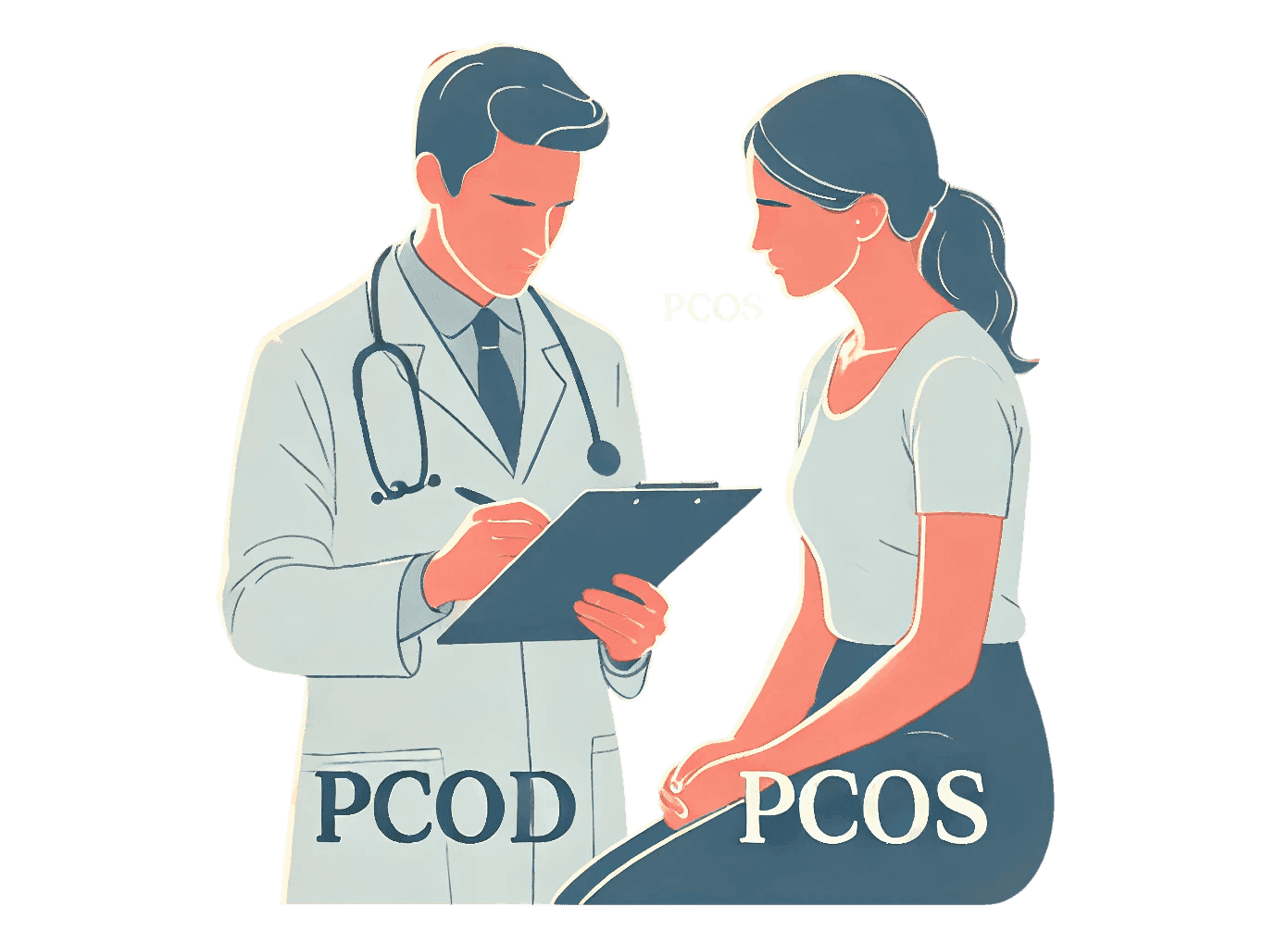
PCOD vs. PCOS: What’s the Difference?
Polycystic Ovarian Disorder (PCOD) and Polycystic Ovarian Syndrome (PCOS) are often used interchangeably, but they are not the same. Both conditions affect the ovaries and are common among women of reproductive age. However, PCOS is a more severe and complex hormonal disorder, while PCOD is a milder condition that can often be managed with lifestyle changes. Understanding the differences between the two can help women take the right steps toward better reproductive and overall health. In this blog, we’ll break down the key differences between PCOD and PCOS, their symptoms, causes, and treatment options. ## **What is PCOD?** PCOD (Polycystic Ovarian Disorder) occurs when a woman's ovaries release immature or partially mature eggs, which eventually turn into cysts. This leads to hormonal imbalances and irregular menstrual cycles. It is a relatively common condition and affects almost 1 in 3 women. However, it is less severe than PCOS and can be managed with diet, exercise, and lifestyle modifications. ## **Symptoms of PCOD:** - Irregular menstrual cycles - Mild weight gain - Acne and oily skin - Hair thinning - Occasional difficulty in conceiving ## **Causes of PCOD:** - Poor lifestyle and eating habits - Excess insulin production - Stress and anxiety - Genetic predisposition ## **What is PCOS?** PCOS (Polycystic Ovarian Syndrome) is a more serious hormonal disorder that affects not just the ovaries but also other body systems. Women with PCOS produce excessive male hormones (androgens), which disrupt ovulation and lead to multiple cysts forming in the ovaries. This can cause long-term complications like type 2 diabetes, infertility, and heart disease. ## **Symptoms of PCOS:** - Irregular or absent periods - Excessive facial and body hair (hirsutism) - Severe acne - Unexplained weight gain, especially around the abdomen - Difficulty in conceiving - Increased risk of diabetes and high blood pressure ## **Causes of PCOS:** - Hormonal imbalance - Insulin resistance - Chronic inflammation - Genetics ## **PCOD vs. PCOS: Key Differences** |Feature |PCOD |PCOS | |-----------|--------|------| |**Nature of Condition** | Hormonal disorder, relatively mild | Metabolic disorder, more severe| |**Ovulation** | Eggs are released irregularly but still ovulate | Ovulation is often absent| |**Fertility** | Women can conceive with some effort |Higher difficulty in conceiving | |**Weight Gain** | Mild weight gain |Significant weight gain, especially around the abdomen| |**Hormonal Imbalance** |Slight imbalance |Higher androgen levels, leading to severe symptoms| |**Treatment**|Lifestyle changes, medications|Lifestyle modifications, medications, fertility treatments if needed| ## **How Can PCOD and PCOS Affect Fertility?** Women with PCOD can still conceive naturally with some minor medical support. However, PCOS can make pregnancy more challenging due to irregular ovulation or lack of ovulation altogether. Women with PCOS often require medical intervention, such as ovulation-inducing medications or assisted reproductive techniques like IVF. ## **Treatment Options for PCOD & PCOS** ## **For PCOD:** - Maintaining a healthy diet and exercise routine - Reducing stress through yoga and meditation - Taking prescribed medications to regulate periods - Avoiding junk food and processed sugar ## **For PCOS:** - Strict weight management - Low-carb, high-protein diet - Medications to regulate hormones and insulin levels - Fertility treatments if trying to conceive - Regular monitoring of blood sugar and cholesterol levels ## **How IVF Pulse Helps Women with PCOD and PCOS** At IVF Pulse, we understand the struggles of managing PCOD and PCOS, especially when it comes to fertility. We provide: - **Expert Consultations:** Get personalized guidance from top fertility specialists. - **Advanced Treatment Plans:** Access the latest in fertility treatments, including IVF, ovulation induction, and hormonal therapy. - **Lifestyle Support:** Diet and exercise recommendations to manage symptoms effectively. - **Emotional Well-being Programs:** Counseling and stress management for better reproductive health. ## **Final Thoughts** While PCOD and PCOS share similarities, PCOS is a more serious condition that requires closer monitoring and medical attention. The good news is that both can be managed with the right lifestyle changes and medical treatments. If you’re struggling with symptoms of PCOD or PCOS, seeking medical advice early can help you take control of your health and fertility. Need expert guidance? Get in touch with IVF Pulse today and take the first step towards better reproductive health!
28 Feb '25|8 min read