Meal Plans for Couples Trying to Conceive
09/05/2022 • 13 min
When embarking on the journey to parenthood, many couples find themselves exploring various avenues to enhance their fertility. One of the most impactful yet often overlooked factors is nutrition. The link between diet and fertility is well-documented, with numerous studies highlighting how certain nutrients and dietary patterns can influence reproductive health. For couples trying to conceive, understanding the role of nutrition is crucial as it lays the foundation for a healthy pregnancy and beyond.
Fertility is a complex interplay of various factors, including hormonal balance, reproductive organ health, and overall physical well-being. Nutrition plays a pivotal role in each of these areas. A balanced diet rich in essential vitamins and minerals can support hormonal regulation, improve egg and sperm quality, and enhance the overall environment for conception. Moreover, maintaining a healthy weight through proper nutrition is vital, as both underweight and overweight conditions can adversely affect fertility.
In this blog, we will delve into the specifics of how nutrition can boost fertility, offering practical meal plans and dietary advice tailored for couples trying to conceive. By focusing on nutrient-rich foods and making informed dietary choices, couples can significantly improve their chances of conception while also preparing their bodies for a healthy pregnancy journey.
When it comes to boosting fertility through diet, certain key nutrients play a crucial role in enhancing reproductive health for both men and women. These nutrients not only support overall health but also specifically target the reproductive system, optimizing the chances of conception.
Folic Acid: This B-vitamin is essential for preventing neural tube defects during early pregnancy, but it also plays a role in fertility. Folic acid helps in the production of DNA and RNA, and is vital for the rapid cell division and growth that occurs during pregnancy. Women trying to conceive should aim for at least 400 micrograms per day, which can be found in leafy greens, citrus fruits, and fortified cereals.
Zinc: Zinc is a critical mineral for both male and female fertility. It contributes to sperm production and ovulation. A deficiency in zinc can lead to a disruption in the menstrual cycle for women and lower testosterone levels in men. Foods rich in zinc include meat, shellfish, legumes, and seeds.
Omega-3 Fatty Acids: These healthy fats are known for their anti-inflammatory properties and are crucial for hormonal balance. Omega-3s can improve egg quality and support sperm health. They are found in fatty fish like salmon, walnuts, and flaxseeds.
Iron: Adequate iron levels are important for preventing anemia and ensuring a healthy supply of oxygen to the reproductive organs. Women with low iron levels may experience anovulation (lack of ovulation), which can hinder conception. Iron can be sourced from red meat, beans, lentils, and spinach.
Antioxidants: Vitamins C and E, along with other antioxidants, help protect sperm and egg cells from oxidative stress, which can damage DNA. Consuming a diet rich in fruits and vegetables can provide these essential antioxidants.
Vitamin D: Often called the "sunshine vitamin," vitamin D is crucial for hormone regulation and reproductive health. It enhances the production of sex hormones which can improve ovulation. Sun exposure and foods like fatty fish, egg yolks, and fortified dairy products are good sources of vitamin D.
B-Vitamins: Beyond folic acid, other B-vitamins like B6 and B12 are important for regulating hormones and maintaining a healthy pregnancy. They can be found in whole grains, bananas, and potatoes.
Incorporating these nutrients into a daily diet can significantly improve fertility outcomes. Couples trying to conceive should focus on a balanced diet that includes a variety of these nutrient-rich foods to support their reproductive health.
When crafting a meal plan for couples trying to conceive, it’s essential to focus on foods rich in key nutrients that support reproductive health. Including a variety of fruits and vegetables is crucial, as they are packed with antioxidants, vitamins, and minerals that can enhance fertility. Leafy greens like spinach and kale are particularly beneficial due to their high folate content, which is vital for preventing neural tube defects and supporting early fetal development.
Whole grains such as quinoa, brown rice, and oats should also be a staple in your diet. These foods are rich in fiber and B vitamins, which help regulate blood sugar levels and improve hormonal balance, both of which are important for fertility. Additionally, incorporating healthy fats from sources like avocados, nuts, and seeds can improve egg quality and support hormone production.
Protein is another critical component of a fertility-boosting diet. Opt for lean sources of protein such as chicken, turkey, and fish, which provide essential amino acids necessary for cell growth and repair. Fatty fish like salmon and sardines are particularly beneficial due to their high omega-3 fatty acid content, which has been shown to improve sperm quality and enhance ovulation.
Dairy products, especially full-fat options, can also play a role in boosting fertility. Studies have indicated that women who consume full-fat dairy products may have a lower risk of ovulatory infertility compared to those who consume low-fat or non-fat dairy. However, moderation is key, and it’s important to balance dairy intake with other nutrient-rich foods.
Finally, staying hydrated is crucial. Water is essential for maintaining optimal bodily functions, including those related to fertility. Herbal teas, such as green tea, can also be included as they are rich in antioxidants that may improve reproductive health. By focusing on these nutrient-dense foods, couples can create a meal plan that supports their journey towards conception.
When trying to conceive, it's crucial to be mindful of certain foods that may negatively impact fertility. While a balanced diet rich in essential nutrients is important, avoiding specific foods can also play a significant role in enhancing fertility.
1. Trans Fats: These unhealthy fats, often found in processed foods, baked goods, and fried items, can lead to insulin resistance and inflammation, both of which can impair fertility. It's advisable to check food labels and steer clear of products listing partially hydrogenated oils.
2. High Mercury Fish: Fish like swordfish, king mackerel, and tilefish contain high levels of mercury, which can affect fetal development and fertility. Opt for low-mercury fish such as salmon, sardines, and trout instead.
3. Excessive Caffeine: While moderate caffeine consumption is generally considered safe, excessive intake (more than 300 mg per day) has been linked to reduced fertility and increased risk of miscarriage. It's wise to limit coffee, tea, and energy drinks.
4. Alcohol: Alcohol consumption can disrupt menstrual cycles and ovulation, making it harder to conceive. For men, it can reduce sperm quality and count. It's best to minimize or eliminate alcohol when trying to conceive.
5. High Glycemic Index Foods: Foods that cause rapid spikes in blood sugar, such as white bread, sugary snacks, and certain cereals, can lead to hormonal imbalances. Opt for whole grains and foods with a lower glycemic index to maintain stable blood sugar levels.
6. Soy Products: While soy can be part of a healthy diet, excessive consumption may interfere with hormone levels due to its phytoestrogen content. Moderation is key, especially for those with existing hormonal imbalances.
By being aware of and avoiding these foods, couples can create a more conducive environment for conception and improve their chances of starting a family.
Creating a meal plan that supports fertility involves incorporating a variety of nutrient-dense foods that can enhance reproductive health for both partners. Here, we provide a sample meal plan that is balanced, rich in essential nutrients, and designed to boost fertility.
Day 1
- Breakfast: Start your day with a bowl of oatmeal topped with fresh berries and a sprinkle of flaxseeds. Pair it with a glass of fortified orange juice for a vitamin C boost.
- Lunch: Enjoy a quinoa salad with mixed greens, cherry tomatoes, avocado, and grilled chicken. Dress it with olive oil and lemon juice.
- Dinner: Opt for a grilled salmon fillet served with steamed broccoli and sweet potato. The omega-3 fatty acids in salmon are excellent for reproductive health.
- Snacks: Munch on a handful of almonds and a piece of fruit, such as an apple or pear.
Day 2
- Breakfast: A smoothie made with spinach, banana, almond milk, and a scoop of protein powder can be a refreshing start.
- Lunch: Whole grain wrap filled with turkey, spinach, and hummus. Serve with a side of carrot sticks.
- Dinner: Prepare a stir-fry with tofu, bell peppers, snap peas, and brown rice. Season with ginger and garlic for added flavor.
- Snacks: Greek yogurt with a drizzle of honey and a few walnuts.
Day 3
- Breakfast: Scrambled eggs with spinach and tomatoes, served with whole-grain toast.
- Lunch: Lentil soup accompanied by a mixed greens salad with cucumbers and a vinaigrette dressing.
- Dinner: Baked chicken breast with quinoa and roasted Brussels sprouts.
- Snacks: Celery sticks with almond butter.
Day 4
- Breakfast: Chia pudding made with almond milk and topped with kiwi slices.
- Lunch: Grilled vegetable panini with mozzarella cheese and a side of mixed fruit.
- Dinner: Shrimp tacos with cabbage slaw and avocado, served with a side of black beans.
- Snacks: A small bowl of mixed berries.
Day 5
- Breakfast: Whole grain pancakes topped with sliced bananas and a dollop of Greek yogurt.
- Lunch: Spinach and feta stuffed bell peppers.
- Dinner: Beef stir-fry with broccoli, bell peppers, and brown rice.
- Snacks: A handful of sunflower seeds and a piece of dark chocolate.
These meal plans are designed to provide a variety of nutrients, including antioxidants, healthy fats, and proteins, which are crucial for supporting fertility. Adjust portions and ingredients as needed to suit your dietary preferences and nutritional needs. Remember, consistency and balance are key to enhancing fertility through diet.
When embarking on the journey to conceive, it's essential to recognize that nutrition is just one piece of the puzzle. Lifestyle changes can significantly enhance the effectiveness of your meal plan and improve fertility outcomes. Here are some lifestyle adjustments that can complement your dietary efforts:
-
Regular Exercise: Engaging in regular physical activity is crucial for maintaining a healthy weight, which is a significant factor in fertility. Aim for at least 150 minutes of moderate aerobic activity, such as brisk walking or cycling, each week. Exercise helps regulate hormones and improves blood flow to reproductive organs, enhancing fertility.
-
Stress Management: High stress levels can negatively impact fertility by disrupting hormonal balance. Incorporate stress-reducing practices such as yoga, meditation, or deep-breathing exercises into your daily routine. These practices not only help in calming the mind but also improve overall well-being.
-
Adequate Sleep: Ensure you get 7-9 hours of quality sleep each night. Sleep is vital for hormonal regulation and overall health. Poor sleep can lead to imbalances in reproductive hormones, affecting ovulation and sperm production.
-
Limit Alcohol and Caffeine: While moderate consumption might be acceptable, it's advisable to limit alcohol and caffeine intake when trying to conceive. Excessive alcohol can affect fertility in both men and women, and high caffeine intake has been linked to reduced fertility.
-
Avoid Smoking: Smoking has been shown to decrease fertility in both men and women. It can damage the DNA in sperm and eggs, leading to reduced fertility and increased risk of miscarriage. Quitting smoking is one of the most impactful lifestyle changes you can make when trying to conceive.
-
Environmental Toxins: Be mindful of exposure to environmental toxins, such as pesticides, heavy metals, and endocrine disruptors. These can adversely affect reproductive health. Opt for organic foods when possible, and use natural cleaning and personal care products to minimize exposure.
By integrating these lifestyle changes with a well-balanced meal plan, couples can create an optimal environment for conception. These adjustments not only support fertility but also contribute to overall health and well-being, setting a strong foundation for a healthy pregnancy.
Embarking on the journey to conceive is a significant step for any couple, and nutrition plays a pivotal role in this process. By understanding and incorporating the right nutrients into your diet, you can enhance your fertility and increase your chances of conception. The meal plans and dietary guidelines outlined in this blog are designed to provide you with a comprehensive approach to nutrition that supports reproductive health.
As you move forward, it is essential to remain consistent with your dietary changes and to monitor how your body responds. Keep in mind that every individual is unique, and what works for one person may not work for another. Therefore, it is advisable to consult with a healthcare provider or a fertility nutritionist to tailor a plan that suits your specific needs.
In addition to dietary changes, consider the lifestyle modifications discussed in this blog, such as maintaining a healthy weight, managing stress, and incorporating regular physical activity. These changes can further enhance your fertility and overall well-being.
Remember, the journey to conception can be unpredictable and may require patience and perseverance. Stay informed, stay positive, and take proactive steps towards achieving your goal. With the right mindset and approach, you can create an environment that is conducive to conception and a healthy pregnancy.
What are the key nutrients that should be included in a meal plan for couples trying to conceive?
It is essential to include nutrients such as folic acid, iron, calcium, and omega-3 fatty acids. These nutrients support reproductive health and increase the chances of conception.
Are there specific foods that can boost fertility in both men and women?
Yes, foods rich in antioxidants, such as fruits and vegetables, whole grains, lean proteins, and healthy fats like avocados and nuts, can boost fertility.
Should couples trying to conceive avoid certain foods or beverages?
Couples should limit caffeine, avoid trans fats, reduce sugar intake, and avoid excessive alcohol consumption to improve fertility.
How important is maintaining a healthy weight when trying to conceive?
Maintaining a healthy weight is crucial, as being underweight or overweight can affect hormone levels and ovulation, potentially reducing fertility.
Can meal planning help with managing stress related to trying to conceive?
Yes, meal planning can help reduce stress by ensuring both partners receive balanced nutrition, which in turn can improve mental well-being.
How often should couples trying to conceive eat fish, and what types are best?
Couples should aim to eat fish rich in omega-3 fatty acids, like salmon and sardines, 2-3 times a week while avoiding high-mercury fish like swordfish and king mackerel.
Is there a specific diet that is recommended for couples trying to conceive?
The Mediterranean diet is often recommended due to its emphasis on whole foods, healthy fats, and lean proteins, which support reproductive health.
How can meal plans be adapted for couples with dietary restrictions or allergies?
Meal plans can be tailored by substituting allergens with safe alternatives and ensuring all essential nutrients are included through diverse food sources.
Should supplements be included in the meal plan for couples trying to conceive?
While a balanced diet is crucial, supplements like prenatal vitamins may be recommended to ensure adequate nutrient intake.
Can lifestyle changes complement meal plans to improve fertility?
Yes, incorporating regular exercise, reducing stress, and avoiding smoking can complement a healthy meal plan to enhance fertility.
Explore
Fertility and Ayurveda: Can It Help?
Fertility issues are becoming increasingly common, leading many couples to explore both modern medical treatments like IVF (In Vitro Fertilization) and traditional approaches such as Ayurveda. While Ayurveda offers holistic methods to improve reproductive health, can it truly enhance fertility, and how does it compare to IVF? Let’s explore both perspectives to understand their roles in conception. ## **IVF vs. Ayurveda: Understanding the Approaches** **1. IVF – The Proven Scientific Method** IVF is a widely accepted fertility treatment with high success rates. It involves stimulating the ovaries, retrieving eggs, fertilizing them in a lab, and transferring the embryo into the uterus. IVF is particularly beneficial for: - ✔ Women with blocked fallopian tubes or severe PCOS - ✔ Couples with unexplained infertility - ✔ Older women with low ovarian reserve - ✔ Men with low sperm count or motility **2. Ayurveda – A Supportive, Natural Approach** Ayurveda focuses on improving overall reproductive health by balancing the body's energies (doshas), detoxifying, and enhancing nutrition. While it may not directly treat severe infertility cases, it can: - ✔ Improve egg and sperm quality - ✔ Regulate menstrual cycles and ovulation - ✔ Reduce stress and improve hormonal balance - ✔ Complement IVF treatments for better success ## **How Ayurveda Can Support IVF** Instead of viewing Ayurveda and IVF as opposing approaches, many fertility experts recommend integrating them. Here’s how Ayurveda can enhance IVF success: **1. Pre-IVF Body Preparation** - ✔ **Panchakarma Therapy**: Detoxifies the body, preparing it for fertility treatments. - ✔ **Herbs like Ashwagandha & Shatavari**: Help in hormonal regulation and uterine health. **2. During IVF** - ✔ **Dietary Adjustments**: Ayurveda suggests a nutrient-rich diet with warm, fresh foods that support embryo implantation. - ✔ **Yoga & Meditation**: Helps reduce stress, which can improve IVF outcomes. **3. Post-IVF Support** - ✔ **Gentle Lifestyle Changes**: Ayurveda recommends rest, positive mindset, and avoiding processed foods to support pregnancy. ## **Final Verdict: IVF Has the Upper Hand** While Ayurveda can enhance fertility naturally, it cannot replace IVF, especially for couples facing complex infertility issues. However, Ayurveda can be a great complementary approach to boost IVF success rates by improving overall reproductive health. ## **How IVF Pulse Can Help** At IVF Pulse, we believe in a holistic approach to fertility. Whether you’re considering IVF or looking for natural ways to enhance reproductive health, our experts provide guidance tailored to your journey. 📞 Contact us today to explore the best fertility treatment options!
10 Mar '25|8 min read
Is Infertility on the Rise? What the Data Says
Infertility has become a growing concern worldwide, with more couples struggling to conceive than ever before. But is infertility really on the rise, or are we just more aware of it now? Let’s explore the data, potential causes, and what can be done to address this issue. ## **Understanding Infertility Trends** Infertility is defined as the inability to conceive after one year of unprotected intercourse. According to the World Health Organization (WHO), nearly 1 in 6 couples worldwide experience infertility at some point in their lives. Several studies and reports indicate that infertility rates have increased over the past few decades. ## **Key Statistics on Infertility** - A 2023 WHO report estimated that 17.5% of the global adult population is affected by infertility. - In India, infertility rates have doubled in the last two decades, with 10-15% of couples facing fertility issues. - A study published in The Lancet found that male fertility has declined by over 50% in the last 40 years. ## **Why Are Infertility Rates Increasing?** Several factors contribute to the rising infertility rates, including lifestyle changes, environmental factors, and medical conditions. ## **1. Lifestyle Factors** - **Delayed Childbearing:** More people are choosing to have children later in life, but fertility declines with age. - **Unhealthy Diets:** Processed foods, excessive sugar, and lack of nutrients can impact reproductive health. - **Obesity & Weight Issues:** Both underweight and overweight individuals may experience hormonal imbalances affecting fertility. - **Smoking & Alcohol Consumption:** Studies show that tobacco and alcohol use can lower fertility in both men and women. ## **2. Environmental Factors** - **Pollution & Toxins:** Air pollution, pesticides, and endocrine-disrupting chemicals in plastics affect reproductive health. - **Radiation & EMFs:** Increased exposure to mobile phone radiation and other electromagnetic fields may contribute to declining sperm and egg quality. ## **3. Medical Conditions** **PCOS & Endometriosis:** These conditions are major causes of infertility in women. **Diabetes & Thyroid Disorders:** Hormonal imbalances can disrupt ovulation and sperm production. **Genetic Factors:** Some people may have inherited conditions that affect fertility. What Can Be Done to Improve Fertility? ## **While some causes of infertility are beyond our control, several steps can help improve fertility chances:** - **Maintain a Healthy Diet:** Eat a balanced diet rich in antioxidants, vitamins, and minerals. - **Exercise Regularly:** Moderate physical activity helps maintain a healthy weight and hormone balance. - **Reduce Stress:** Chronic stress can impact reproductive hormones. Yoga, meditation, and counseling may help. - **Limit Exposure to Toxins:** Avoid plastics, pesticides, and other harmful chemicals. - **Seek Medical Help Early:** If you’re struggling to conceive, consult a fertility specialist for guidance. ## **How IVF Pulse Helps** At IVF Pulse, we provide expert guidance, fertility treatments, and resources to help couples navigate their fertility journey. Our specialists use advanced diagnostics and personalized treatment plans to maximize success rates. Whether you're exploring IVF or other fertility solutions, we’re here to support you every step of the way. ## **Final Thoughts** Infertility is a growing issue, but understanding the causes and taking proactive steps can improve the chances of conception. If you or someone you know is struggling with fertility, remember that help is available, and options like IVF can make parenthood possible.
03 Mar '25|8 min read

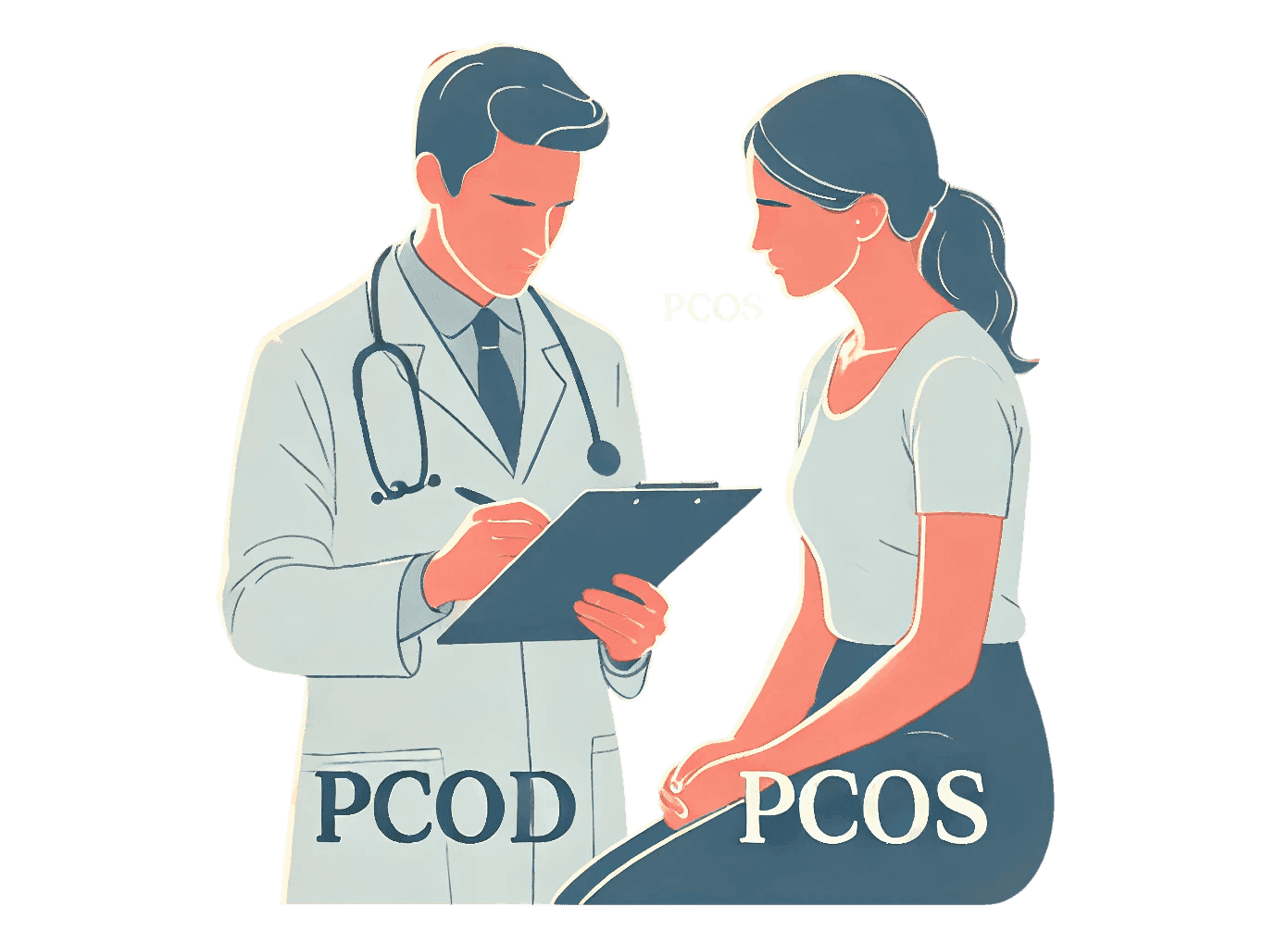
PCOD vs. PCOS: What’s the Difference?
Polycystic Ovarian Disorder (PCOD) and Polycystic Ovarian Syndrome (PCOS) are often used interchangeably, but they are not the same. Both conditions affect the ovaries and are common among women of reproductive age. However, PCOS is a more severe and complex hormonal disorder, while PCOD is a milder condition that can often be managed with lifestyle changes. Understanding the differences between the two can help women take the right steps toward better reproductive and overall health. In this blog, we’ll break down the key differences between PCOD and PCOS, their symptoms, causes, and treatment options. ## **What is PCOD?** PCOD (Polycystic Ovarian Disorder) occurs when a woman's ovaries release immature or partially mature eggs, which eventually turn into cysts. This leads to hormonal imbalances and irregular menstrual cycles. It is a relatively common condition and affects almost 1 in 3 women. However, it is less severe than PCOS and can be managed with diet, exercise, and lifestyle modifications. ## **Symptoms of PCOD:** - Irregular menstrual cycles - Mild weight gain - Acne and oily skin - Hair thinning - Occasional difficulty in conceiving ## **Causes of PCOD:** - Poor lifestyle and eating habits - Excess insulin production - Stress and anxiety - Genetic predisposition ## **What is PCOS?** PCOS (Polycystic Ovarian Syndrome) is a more serious hormonal disorder that affects not just the ovaries but also other body systems. Women with PCOS produce excessive male hormones (androgens), which disrupt ovulation and lead to multiple cysts forming in the ovaries. This can cause long-term complications like type 2 diabetes, infertility, and heart disease. ## **Symptoms of PCOS:** - Irregular or absent periods - Excessive facial and body hair (hirsutism) - Severe acne - Unexplained weight gain, especially around the abdomen - Difficulty in conceiving - Increased risk of diabetes and high blood pressure ## **Causes of PCOS:** - Hormonal imbalance - Insulin resistance - Chronic inflammation - Genetics ## **PCOD vs. PCOS: Key Differences** |Feature |PCOD |PCOS | |-----------|--------|------| |**Nature of Condition** | Hormonal disorder, relatively mild | Metabolic disorder, more severe| |**Ovulation** | Eggs are released irregularly but still ovulate | Ovulation is often absent| |**Fertility** | Women can conceive with some effort |Higher difficulty in conceiving | |**Weight Gain** | Mild weight gain |Significant weight gain, especially around the abdomen| |**Hormonal Imbalance** |Slight imbalance |Higher androgen levels, leading to severe symptoms| |**Treatment**|Lifestyle changes, medications|Lifestyle modifications, medications, fertility treatments if needed| ## **How Can PCOD and PCOS Affect Fertility?** Women with PCOD can still conceive naturally with some minor medical support. However, PCOS can make pregnancy more challenging due to irregular ovulation or lack of ovulation altogether. Women with PCOS often require medical intervention, such as ovulation-inducing medications or assisted reproductive techniques like IVF. ## **Treatment Options for PCOD & PCOS** ## **For PCOD:** - Maintaining a healthy diet and exercise routine - Reducing stress through yoga and meditation - Taking prescribed medications to regulate periods - Avoiding junk food and processed sugar ## **For PCOS:** - Strict weight management - Low-carb, high-protein diet - Medications to regulate hormones and insulin levels - Fertility treatments if trying to conceive - Regular monitoring of blood sugar and cholesterol levels ## **How IVF Pulse Helps Women with PCOD and PCOS** At IVF Pulse, we understand the struggles of managing PCOD and PCOS, especially when it comes to fertility. We provide: - **Expert Consultations:** Get personalized guidance from top fertility specialists. - **Advanced Treatment Plans:** Access the latest in fertility treatments, including IVF, ovulation induction, and hormonal therapy. - **Lifestyle Support:** Diet and exercise recommendations to manage symptoms effectively. - **Emotional Well-being Programs:** Counseling and stress management for better reproductive health. ## **Final Thoughts** While PCOD and PCOS share similarities, PCOS is a more serious condition that requires closer monitoring and medical attention. The good news is that both can be managed with the right lifestyle changes and medical treatments. If you’re struggling with symptoms of PCOD or PCOS, seeking medical advice early can help you take control of your health and fertility. Need expert guidance? Get in touch with IVF Pulse today and take the first step towards better reproductive health!
28 Feb '25|8 min read