IVF Success Stories from Real Couples
02/02/2023 • 14 min
In the realm of fertility treatments, In Vitro Fertilization (IVF) stands out as a beacon of hope for many couples yearning to start or expand their families. The journey through IVF is often fraught with emotional highs and lows, financial considerations, and physical demands. Yet, amidst these challenges, countless couples have found success, leading to the birth of their long-awaited children. This blog delves into the real-life success stories of couples who have navigated the complexities of IVF. By sharing their experiences, we aim to provide inspiration, comfort, and guidance to those embarking on their own fertility journeys. Each story is a testament to the resilience and determination that characterize the human spirit when faced with the profound desire to create life. Join us as we explore these narratives of hope, perseverance, and ultimate joy.
In the world of in vitro fertilization (IVF), every couple's journey is unique, filled with its own set of challenges and triumphs. For our first couple, the path to parenthood was marked by numerous hurdles, yet their unwavering determination and resilience ultimately led them to success.
This couple faced a myriad of obstacles from the outset. Initially, they struggled with unexplained infertility, a diagnosis that left them feeling frustrated and helpless. Despite undergoing several rounds of fertility treatments, including intrauterine insemination (IUI), they were met with disappointment each time. However, their resolve to become parents never wavered.
When they finally decided to pursue IVF, they encountered additional challenges. The first IVF cycle resulted in a chemical pregnancy, a heartbreaking outcome that tested their emotional strength. Undeterred, they sought the advice of a fertility specialist who recommended a comprehensive evaluation to identify any underlying issues that might be affecting their chances of success.
Through advanced diagnostic testing, it was discovered that the female partner had a previously undiagnosed clotting disorder, which could have been contributing to the recurrent implantation failures. Armed with this new information, the couple and their medical team devised a tailored treatment plan that included anticoagulant therapy to support implantation.
The next IVF cycle was approached with cautious optimism. The couple adhered strictly to the treatment protocol, which included lifestyle modifications, stress-reduction techniques, and a meticulously timed medication regimen. Their perseverance paid off when they received the long-awaited positive pregnancy test.
Throughout their journey, the couple emphasized the importance of a strong support system. They leaned on each other, their family, and a community of fellow IVF patients who understood the emotional rollercoaster of fertility treatments. Their story is a testament to the power of hope, persistence, and the advancements in reproductive medicine that make dreams of parenthood possible for so many couples facing infertility.
In the world of fertility treatments, uncertainty often looms large, casting shadows of doubt and fear. For our second couple, Sarah and Michael, this uncertainty was a constant companion on their IVF journey. Both in their early thirties, they had been trying to conceive for over three years without success. The couple had undergone various fertility tests, but the results were inconclusive, leaving them in a limbo of unexplained infertility.
Despite the lack of clear answers, Sarah and Michael were determined to pursue IVF. Their journey began with a thorough consultation with a fertility specialist, who provided them with a tailored treatment plan. The couple was aware of the emotional and physical demands of IVF, but they were committed to seeing it through.
The initial stages of the treatment were challenging. Sarah experienced side effects from the hormone injections, which took a toll on her physically and emotionally. Michael, on the other hand, found himself struggling to provide the support Sarah needed while managing his own anxieties about the process.
However, amidst the uncertainty, they found hope in small victories. The first major milestone was the successful retrieval of healthy eggs, followed by the fertilization process, which resulted in several viable embryos. Each step forward, though fraught with anxiety, reinforced their belief that they were on the right path.
The couple's resilience was tested during the waiting period after the embryo transfer. The two-week wait felt interminable, filled with a mix of hope and fear. They leaned on each other, finding strength in their shared experience and the unwavering support from their fertility team.
When the day finally arrived to take the pregnancy test, Sarah and Michael were overwhelmed with emotion. The positive result was a testament to their perseverance and the power of hope in the face of uncertainty. Their journey, though marked by challenges, ultimately led to the joy of expecting their first child.
Sarah and Michael's story is a poignant reminder that even in the midst of uncertainty, hope can be a guiding light. Their experience underscores the importance of support, both from loved ones and medical professionals, in navigating the complexities of IVF. For couples facing similar challenges, their story offers a beacon of hope and a testament to the possibilities that lie beyond the uncertainties.
In the realm of IVF success stories, the journey of resilience and patience is often a testament to the human spirit's capacity to endure and persevere. For Couple 3, their path to parenthood was marked by numerous trials, each demanding a level of patience and resilience that they had never before imagined. Their story began with a diagnosis of unexplained infertility, a term that left them with more questions than answers. Despite the uncertainty, they decided to embark on the IVF journey, driven by a shared dream of becoming parents.
Their first IVF cycle was filled with hope, but it ended in disappointment when the pregnancy test came back negative. Undeterred, they decided to try again, each cycle teaching them more about the process and about themselves. They learned to navigate the emotional rollercoaster of hope and despair, finding strength in each other and in their support network of family and friends.
Couple 3's resilience was further tested when they experienced a miscarriage after their second IVF attempt. This heartbreaking loss could have easily led them to abandon their dream, but instead, it strengthened their resolve. They took time to grieve and heal, seeking counseling to help process their emotions and prepare for another attempt.
With renewed determination, they approached their third IVF cycle with cautious optimism. This time, they made adjustments based on past experiences, working closely with their fertility specialist to tailor the treatment to their specific needs. Their patience and perseverance paid off when they finally received the news they had been longing for—a positive pregnancy test.
Throughout their journey, Couple 3 learned the importance of resilience and patience, not only in the context of IVF but in life itself. Their story is a powerful reminder that while the path to parenthood can be fraught with challenges, the rewards of persistence and unwavering hope can lead to the ultimate joy of holding their child in their arms.
In the realm of IVF, unpredictability is often the only constant. For Couple 4, embracing this unpredictability became a cornerstone of their journey. Their story is a testament to the power of adaptability and the importance of maintaining an open mind throughout the IVF process.
When they first embarked on their IVF journey, they were filled with the usual mix of hope and apprehension. However, what set them apart was their willingness to accept that not everything would go according to plan. They understood that the path to parenthood through IVF is rarely linear and that flexibility would be essential.
Throughout their treatment, they faced several unexpected hurdles, from changes in medication protocols to unforeseen medical complications. Each challenge required them to pivot and adjust their expectations. Instead of viewing these obstacles as setbacks, they saw them as opportunities to learn more about themselves and their resilience.
Their medical team played a crucial role in helping them navigate these unpredictable waters. By fostering a strong partnership with their doctors and nurses, Couple 4 felt empowered to make informed decisions at every turn. This collaboration not only helped them manage the technical aspects of IVF but also provided emotional support during the more challenging times.
Ultimately, their journey was not just about achieving a successful pregnancy but about embracing the unpredictability of life and learning to find joy and gratitude in each step of the process. Their story is a powerful reminder that while the road to parenthood may be fraught with uncertainties, it is also filled with moments of profound growth and unexpected joy.
In the heartwarming journey of Couple 5, the theme of "Turning Dreams into Reality" resonates profoundly. This couple, like many others, embarked on their IVF journey with a mixture of hope, fear, and determination. Their story is one of unwavering commitment and the relentless pursuit of parenthood despite the odds.
Their journey began after years of trying to conceive naturally, during which they faced numerous emotional and physical hurdles. The decision to pursue IVF was not made lightly, but with the support of their medical team and a deep-seated belief in the possibilities that modern science offers, they took the leap.
The couple's IVF process was marked by meticulous planning and a strong partnership. They approached each step with optimism, from the initial consultations and hormone treatments to the egg retrieval and embryo transfer. Their dedication was evident in their willingness to adapt to the rigorous demands of the process, including lifestyle changes and the emotional rollercoaster that often accompanies fertility treatments.
What set this couple apart was their ability to maintain a positive outlook, even when faced with setbacks. They leaned on each other for support, celebrated small victories, and found solace in the stories of others who had walked the same path. Their journey was not without its challenges, including a failed cycle that tested their resolve. However, they viewed each setback as a stepping stone rather than a stumbling block.
Ultimately, their perseverance paid off. After several cycles, they received the joyous news they had been longing for—a successful pregnancy. The moment they heard their baby's heartbeat for the first time was a culmination of their dreams and efforts, a testament to their resilience and the power of hope.
Couple 5's story is a beacon of inspiration for others navigating the complex world of IVF. It underscores the importance of patience, the strength found in partnership, and the incredible possibilities that can arise when dreams are pursued with unwavering determination. Their journey from aspiration to reality is a reminder that while the path to parenthood can be fraught with challenges, it is also filled with moments of profound joy and fulfillment.
The journey through IVF is often fraught with emotional, physical, and financial challenges. However, the success stories of real couples who have navigated this path offer invaluable lessons that can inspire and guide others. One of the most significant lessons learned from these stories is the importance of resilience. Couples who have succeeded in their IVF journey often speak about the need to remain steadfast in the face of setbacks. This resilience is not just about enduring the physical demands of IVF but also about maintaining emotional strength and a positive outlook despite the uncertainties.
Another key lesson is the value of support systems. Many couples attribute their success to the unwavering support of family, friends, and medical professionals. This support can provide the emotional and practical assistance needed to navigate the complexities of IVF. Additionally, being part of a community of others going through similar experiences can offer comfort and encouragement.
Flexibility and adaptability also emerge as crucial lessons. IVF is unpredictable, and the ability to adapt to changing circumstances, whether it be adjusting to different treatment protocols or managing unexpected outcomes, is vital. Couples who approach their journey with an open mind and a willingness to explore different options often find themselves better equipped to handle the ups and downs of the process.
Lastly, the stories highlight the importance of self-care and communication. Taking care of one's mental and physical health is essential, as is maintaining open and honest communication with one's partner. These elements help to strengthen relationships and ensure that both partners are aligned in their goals and expectations.
In summary, the lessons learned from IVF success stories underscore the importance of resilience, support, adaptability, and self-care. These elements not only contribute to the success of the IVF process but also enrich the personal growth and relationships of those involved.
The journey through IVF is often depicted as a rollercoaster of emotions, challenges, and triumphs. As we have seen through the stories of various couples, each path is unique, yet they all share a common thread: the power of hope and persistence. These narratives remind us that despite the hurdles and uncertainties, the dream of parenthood is attainable with unwavering determination and support.
Hope acts as a guiding light for couples navigating the complexities of IVF. It fuels their resilience, allowing them to face each setback with renewed vigor and optimism. Persistence, on the other hand, is the engine that keeps them moving forward, even when the road seems daunting. Together, hope and persistence form a formidable force that can overcome even the most challenging obstacles.
The success stories shared in this blog are a testament to the strength and courage of those who embark on the IVF journey. They highlight the importance of a supportive network, whether it be through medical professionals, family, or community, and the role it plays in sustaining hope and encouraging persistence.
In conclusion, the power of hope and persistence cannot be overstated. For those considering or currently undergoing IVF, these stories offer inspiration and reassurance that while the journey may be arduous, the destination is worth every effort. Let these tales of success serve as a reminder that with hope in your heart and persistence in your stride, the dream of becoming a parent can indeed become a reality.
What are some common themes in IVF success stories?
Many IVF success stories highlight themes such as perseverance, emotional resilience, and the importance of support from partners and healthcare professionals.
How do couples cope with the emotional challenges during IVF?
Couples often mention the importance of open communication, seeking counseling, and joining support groups to navigate the emotional ups and downs of IVF treatment.
What role does lifestyle play in IVF success stories?
Success stories often emphasize the impact of maintaining a healthy lifestyle, including a balanced diet, regular exercise, and stress management techniques.
Are there any particular medical advancements that have contributed to IVF successes?
Many couples credit advancements such as genetic screening, improved embryo culture techniques, and personalized treatment plans as factors contributing to their IVF success.
How do couples decide when to try IVF?
Success stories often include discussions about the decision-making process, including consultations with fertility specialists and considering factors like age, health, and financial readiness.
What advice do successful IVF couples give to those just starting the process?
Couples frequently advise maintaining hope, being patient, and building a strong support system to help navigate the journey.
How do couples share their IVF journey with family and friends?
Many success stories detail how couples choose to communicate their IVF experience, whether keeping it private or sharing openly with their loved ones.
What financial considerations are mentioned in IVF success stories?
Financial planning, understanding insurance coverage, and exploring financing options are commonly discussed by couples who have successfully undergone IVF.
How do couples handle setbacks or failures during the IVF process?
Resilience and learning from each cycle are often highlighted in stories where couples faced setbacks before achieving success.
What impact does IVF success have on couples' relationships?
Many couples describe how going through IVF together strengthened their relationship and brought them closer.
Explore
Fertility and Ayurveda: Can It Help?
Fertility issues are becoming increasingly common, leading many couples to explore both modern medical treatments like IVF (In Vitro Fertilization) and traditional approaches such as Ayurveda. While Ayurveda offers holistic methods to improve reproductive health, can it truly enhance fertility, and how does it compare to IVF? Let’s explore both perspectives to understand their roles in conception. ## **IVF vs. Ayurveda: Understanding the Approaches** **1. IVF – The Proven Scientific Method** IVF is a widely accepted fertility treatment with high success rates. It involves stimulating the ovaries, retrieving eggs, fertilizing them in a lab, and transferring the embryo into the uterus. IVF is particularly beneficial for: - ✔ Women with blocked fallopian tubes or severe PCOS - ✔ Couples with unexplained infertility - ✔ Older women with low ovarian reserve - ✔ Men with low sperm count or motility **2. Ayurveda – A Supportive, Natural Approach** Ayurveda focuses on improving overall reproductive health by balancing the body's energies (doshas), detoxifying, and enhancing nutrition. While it may not directly treat severe infertility cases, it can: - ✔ Improve egg and sperm quality - ✔ Regulate menstrual cycles and ovulation - ✔ Reduce stress and improve hormonal balance - ✔ Complement IVF treatments for better success ## **How Ayurveda Can Support IVF** Instead of viewing Ayurveda and IVF as opposing approaches, many fertility experts recommend integrating them. Here’s how Ayurveda can enhance IVF success: **1. Pre-IVF Body Preparation** - ✔ **Panchakarma Therapy**: Detoxifies the body, preparing it for fertility treatments. - ✔ **Herbs like Ashwagandha & Shatavari**: Help in hormonal regulation and uterine health. **2. During IVF** - ✔ **Dietary Adjustments**: Ayurveda suggests a nutrient-rich diet with warm, fresh foods that support embryo implantation. - ✔ **Yoga & Meditation**: Helps reduce stress, which can improve IVF outcomes. **3. Post-IVF Support** - ✔ **Gentle Lifestyle Changes**: Ayurveda recommends rest, positive mindset, and avoiding processed foods to support pregnancy. ## **Final Verdict: IVF Has the Upper Hand** While Ayurveda can enhance fertility naturally, it cannot replace IVF, especially for couples facing complex infertility issues. However, Ayurveda can be a great complementary approach to boost IVF success rates by improving overall reproductive health. ## **How IVF Pulse Can Help** At IVF Pulse, we believe in a holistic approach to fertility. Whether you’re considering IVF or looking for natural ways to enhance reproductive health, our experts provide guidance tailored to your journey. 📞 Contact us today to explore the best fertility treatment options!
10 Mar '25|8 min read
Is Infertility on the Rise? What the Data Says
Infertility has become a growing concern worldwide, with more couples struggling to conceive than ever before. But is infertility really on the rise, or are we just more aware of it now? Let’s explore the data, potential causes, and what can be done to address this issue. ## **Understanding Infertility Trends** Infertility is defined as the inability to conceive after one year of unprotected intercourse. According to the World Health Organization (WHO), nearly 1 in 6 couples worldwide experience infertility at some point in their lives. Several studies and reports indicate that infertility rates have increased over the past few decades. ## **Key Statistics on Infertility** - A 2023 WHO report estimated that 17.5% of the global adult population is affected by infertility. - In India, infertility rates have doubled in the last two decades, with 10-15% of couples facing fertility issues. - A study published in The Lancet found that male fertility has declined by over 50% in the last 40 years. ## **Why Are Infertility Rates Increasing?** Several factors contribute to the rising infertility rates, including lifestyle changes, environmental factors, and medical conditions. ## **1. Lifestyle Factors** - **Delayed Childbearing:** More people are choosing to have children later in life, but fertility declines with age. - **Unhealthy Diets:** Processed foods, excessive sugar, and lack of nutrients can impact reproductive health. - **Obesity & Weight Issues:** Both underweight and overweight individuals may experience hormonal imbalances affecting fertility. - **Smoking & Alcohol Consumption:** Studies show that tobacco and alcohol use can lower fertility in both men and women. ## **2. Environmental Factors** - **Pollution & Toxins:** Air pollution, pesticides, and endocrine-disrupting chemicals in plastics affect reproductive health. - **Radiation & EMFs:** Increased exposure to mobile phone radiation and other electromagnetic fields may contribute to declining sperm and egg quality. ## **3. Medical Conditions** **PCOS & Endometriosis:** These conditions are major causes of infertility in women. **Diabetes & Thyroid Disorders:** Hormonal imbalances can disrupt ovulation and sperm production. **Genetic Factors:** Some people may have inherited conditions that affect fertility. What Can Be Done to Improve Fertility? ## **While some causes of infertility are beyond our control, several steps can help improve fertility chances:** - **Maintain a Healthy Diet:** Eat a balanced diet rich in antioxidants, vitamins, and minerals. - **Exercise Regularly:** Moderate physical activity helps maintain a healthy weight and hormone balance. - **Reduce Stress:** Chronic stress can impact reproductive hormones. Yoga, meditation, and counseling may help. - **Limit Exposure to Toxins:** Avoid plastics, pesticides, and other harmful chemicals. - **Seek Medical Help Early:** If you’re struggling to conceive, consult a fertility specialist for guidance. ## **How IVF Pulse Helps** At IVF Pulse, we provide expert guidance, fertility treatments, and resources to help couples navigate their fertility journey. Our specialists use advanced diagnostics and personalized treatment plans to maximize success rates. Whether you're exploring IVF or other fertility solutions, we’re here to support you every step of the way. ## **Final Thoughts** Infertility is a growing issue, but understanding the causes and taking proactive steps can improve the chances of conception. If you or someone you know is struggling with fertility, remember that help is available, and options like IVF can make parenthood possible.
03 Mar '25|8 min read

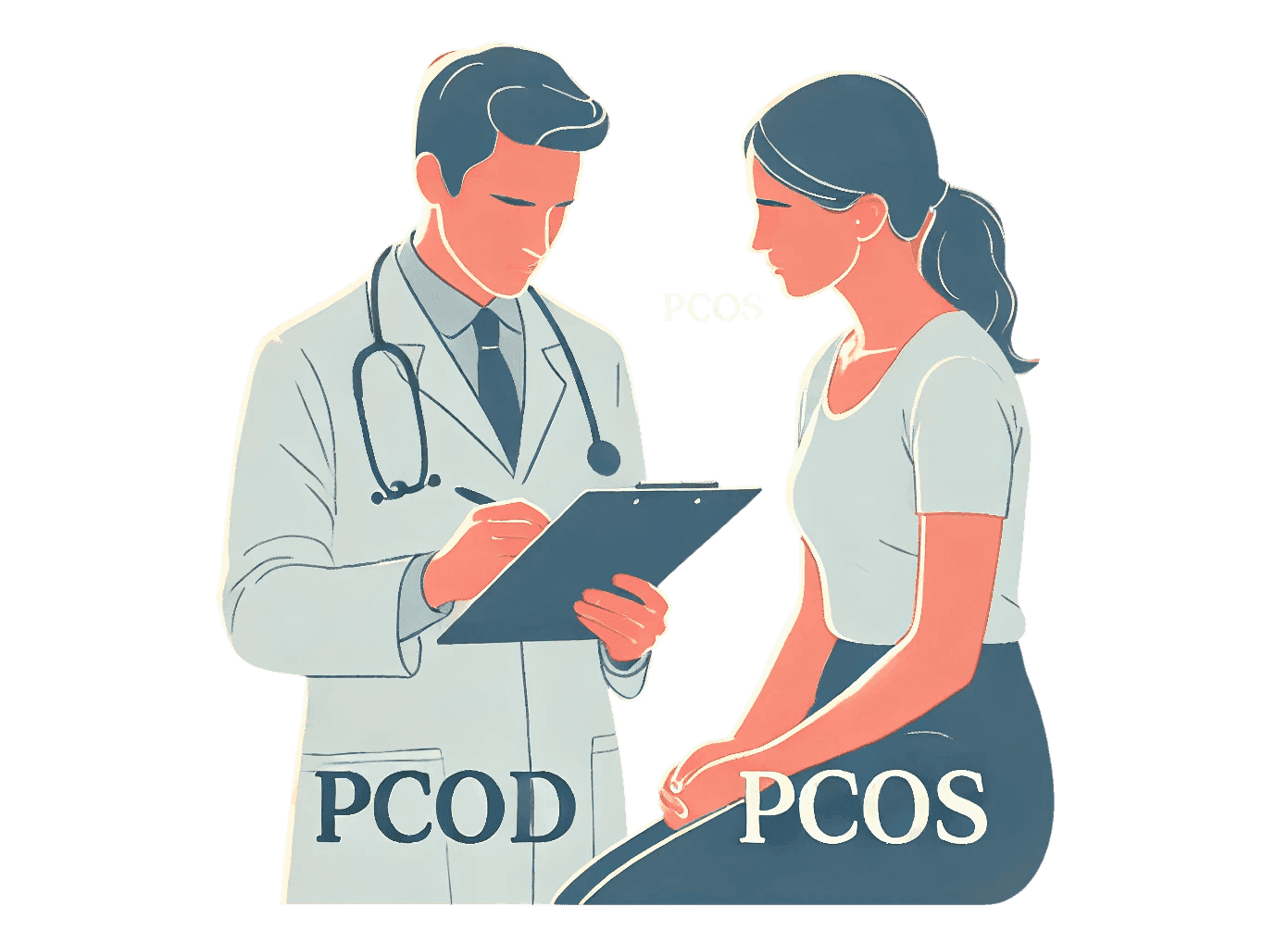
PCOD vs. PCOS: What’s the Difference?
Polycystic Ovarian Disorder (PCOD) and Polycystic Ovarian Syndrome (PCOS) are often used interchangeably, but they are not the same. Both conditions affect the ovaries and are common among women of reproductive age. However, PCOS is a more severe and complex hormonal disorder, while PCOD is a milder condition that can often be managed with lifestyle changes. Understanding the differences between the two can help women take the right steps toward better reproductive and overall health. In this blog, we’ll break down the key differences between PCOD and PCOS, their symptoms, causes, and treatment options. ## **What is PCOD?** PCOD (Polycystic Ovarian Disorder) occurs when a woman's ovaries release immature or partially mature eggs, which eventually turn into cysts. This leads to hormonal imbalances and irregular menstrual cycles. It is a relatively common condition and affects almost 1 in 3 women. However, it is less severe than PCOS and can be managed with diet, exercise, and lifestyle modifications. ## **Symptoms of PCOD:** - Irregular menstrual cycles - Mild weight gain - Acne and oily skin - Hair thinning - Occasional difficulty in conceiving ## **Causes of PCOD:** - Poor lifestyle and eating habits - Excess insulin production - Stress and anxiety - Genetic predisposition ## **What is PCOS?** PCOS (Polycystic Ovarian Syndrome) is a more serious hormonal disorder that affects not just the ovaries but also other body systems. Women with PCOS produce excessive male hormones (androgens), which disrupt ovulation and lead to multiple cysts forming in the ovaries. This can cause long-term complications like type 2 diabetes, infertility, and heart disease. ## **Symptoms of PCOS:** - Irregular or absent periods - Excessive facial and body hair (hirsutism) - Severe acne - Unexplained weight gain, especially around the abdomen - Difficulty in conceiving - Increased risk of diabetes and high blood pressure ## **Causes of PCOS:** - Hormonal imbalance - Insulin resistance - Chronic inflammation - Genetics ## **PCOD vs. PCOS: Key Differences** |Feature |PCOD |PCOS | |-----------|--------|------| |**Nature of Condition** | Hormonal disorder, relatively mild | Metabolic disorder, more severe| |**Ovulation** | Eggs are released irregularly but still ovulate | Ovulation is often absent| |**Fertility** | Women can conceive with some effort |Higher difficulty in conceiving | |**Weight Gain** | Mild weight gain |Significant weight gain, especially around the abdomen| |**Hormonal Imbalance** |Slight imbalance |Higher androgen levels, leading to severe symptoms| |**Treatment**|Lifestyle changes, medications|Lifestyle modifications, medications, fertility treatments if needed| ## **How Can PCOD and PCOS Affect Fertility?** Women with PCOD can still conceive naturally with some minor medical support. However, PCOS can make pregnancy more challenging due to irregular ovulation or lack of ovulation altogether. Women with PCOS often require medical intervention, such as ovulation-inducing medications or assisted reproductive techniques like IVF. ## **Treatment Options for PCOD & PCOS** ## **For PCOD:** - Maintaining a healthy diet and exercise routine - Reducing stress through yoga and meditation - Taking prescribed medications to regulate periods - Avoiding junk food and processed sugar ## **For PCOS:** - Strict weight management - Low-carb, high-protein diet - Medications to regulate hormones and insulin levels - Fertility treatments if trying to conceive - Regular monitoring of blood sugar and cholesterol levels ## **How IVF Pulse Helps Women with PCOD and PCOS** At IVF Pulse, we understand the struggles of managing PCOD and PCOS, especially when it comes to fertility. We provide: - **Expert Consultations:** Get personalized guidance from top fertility specialists. - **Advanced Treatment Plans:** Access the latest in fertility treatments, including IVF, ovulation induction, and hormonal therapy. - **Lifestyle Support:** Diet and exercise recommendations to manage symptoms effectively. - **Emotional Well-being Programs:** Counseling and stress management for better reproductive health. ## **Final Thoughts** While PCOD and PCOS share similarities, PCOS is a more serious condition that requires closer monitoring and medical attention. The good news is that both can be managed with the right lifestyle changes and medical treatments. If you’re struggling with symptoms of PCOD or PCOS, seeking medical advice early can help you take control of your health and fertility. Need expert guidance? Get in touch with IVF Pulse today and take the first step towards better reproductive health!
28 Feb '25|8 min read