Importance of Sleep for Hormonal Balance
02/08/2024 • 11 min
Hormonal balance is a critical aspect of overall health and well-being, influencing everything from mood and energy levels to reproductive health and metabolic processes. Hormones are chemical messengers produced by various glands in the endocrine system, and they play a pivotal role in regulating bodily functions. A delicate balance of these hormones is essential for maintaining homeostasis, the body's state of equilibrium. When hormones are in harmony, the body functions optimally, but even slight imbalances can lead to a wide range of health issues.
The importance of hormonal balance extends to numerous physiological processes, including growth and development, metabolism, sexual function, and mood regulation. For instance, hormones like insulin, cortisol, thyroid hormones, and sex hormones such as estrogen and testosterone are crucial for these processes. Disruptions in hormonal balance can manifest as fatigue, weight gain or loss, mood swings, and fertility issues, among other symptoms.
Achieving and maintaining hormonal balance is influenced by various factors, including diet, exercise, stress levels, and notably, sleep. Sleep is a fundamental component of health that significantly impacts hormonal balance. During sleep, the body undergoes critical repair and rejuvenation processes, and the production and regulation of hormones are closely tied to sleep cycles. Understanding the relationship between sleep and hormonal balance is essential for those looking to optimize their health and prevent potential disorders related to hormonal imbalances.
Sleep is a fundamental biological process that plays a crucial role in maintaining hormonal balance. The relationship between sleep and hormones is complex and bidirectional, meaning that hormones can influence sleep patterns, and sleep can affect hormone levels. During sleep, the body undergoes various physiological processes that are essential for health, including the regulation of hormones.
One of the primary ways sleep influences hormones is through the regulation of the hypothalamic-pituitary-adrenal (HPA) axis. This axis is a major part of the neuroendocrine system that controls reactions to stress and regulates many body processes, including digestion, the immune system, mood and emotions, and energy storage and expenditure. Cortisol, a hormone released by the adrenal glands, follows a diurnal rhythm, peaking in the early morning and declining throughout the day. Adequate sleep helps maintain this rhythm, ensuring that cortisol levels are appropriately regulated.
Additionally, sleep affects the secretion of growth hormone, which is crucial for tissue growth and repair. Growth hormone is predominantly secreted during deep sleep stages, highlighting the importance of quality sleep for physical recovery and growth.
Melatonin, often referred to as the "sleep hormone," is another critical hormone influenced by sleep. It is produced by the pineal gland and helps regulate sleep-wake cycles. Melatonin levels rise in the evening, promoting sleep, and decrease in the morning. Disruptions in sleep can lead to imbalances in melatonin production, affecting overall sleep quality and circadian rhythms.
Moreover, sleep impacts the regulation of hunger hormones such as ghrelin and leptin. Ghrelin, which stimulates appetite, increases with sleep deprivation, while leptin, which signals satiety, decreases. This hormonal imbalance can lead to increased hunger and appetite, contributing to weight gain and metabolic issues.
In summary, the science behind sleep and hormones underscores the importance of adequate and quality sleep for maintaining hormonal balance. Disruptions in sleep can lead to significant hormonal imbalances, affecting various aspects of health, including metabolism, stress response, and overall well-being.
Sleep is a critical factor in regulating various hormones that play pivotal roles in maintaining our overall health. Among the key hormones influenced by sleep are cortisol, melatonin, leptin, ghrelin, and insulin.
Cortisol, often referred to as the "stress hormone," follows a diurnal rhythm, peaking in the early morning to help us wake up and gradually declining throughout the day. Adequate sleep helps maintain this rhythm, while sleep deprivation can lead to elevated cortisol levels, contributing to stress and metabolic issues.
Melatonin is another hormone intricately linked with sleep. Produced by the pineal gland, melatonin regulates sleep-wake cycles and is often referred to as the "sleep hormone." Its production is influenced by light exposure, increasing in the evening to promote sleepiness and decreasing in the morning. Disrupted sleep patterns can lead to imbalances in melatonin production, affecting sleep quality and overall hormonal balance.
Leptin and ghrelin are hormones that regulate appetite and energy balance. Leptin, produced by adipose cells, signals satiety to the brain, while ghrelin, produced in the stomach, stimulates appetite. Sleep deprivation is associated with decreased leptin levels and increased ghrelin levels, leading to increased hunger and potential weight gain.
Insulin, a hormone critical for glucose metabolism, is also influenced by sleep. Poor sleep can lead to insulin resistance, a condition where the body's cells become less responsive to insulin, increasing the risk of type 2 diabetes. Adequate sleep helps maintain insulin sensitivity, promoting better glucose control.
Understanding the impact of sleep on these hormones underscores the importance of prioritizing sleep to maintain hormonal balance and overall health.
Sleep deprivation can have profound effects on hormonal balance, disrupting the delicate equilibrium that is essential for maintaining overall health. When the body is deprived of adequate rest, it triggers a cascade of hormonal changes that can affect numerous systems within the body. One of the primary hormones impacted by lack of sleep is cortisol, often referred to as the "stress hormone." Cortisol levels naturally fluctuate throughout the day, peaking in the morning to help wake us up and gradually decreasing throughout the day. However, sleep deprivation can lead to elevated cortisol levels, which can result in increased stress, anxiety, and even weight gain due to its role in fat storage.
Additionally, sleep deprivation affects insulin sensitivity, which is crucial for regulating blood sugar levels. When the body becomes less sensitive to insulin, it can lead to increased blood glucose levels and a higher risk of developing type 2 diabetes. Moreover, inadequate sleep can alter the production of ghrelin and leptin, the hormones responsible for hunger and satiety. An imbalance in these hormones can lead to increased appetite and cravings, often for high-calorie foods, contributing to weight gain and obesity.
For women, sleep deprivation can have specific implications on reproductive hormones, such as estrogen and progesterone. Disrupted sleep patterns can lead to irregular menstrual cycles and may even impact fertility. In men, testosterone levels, which are crucial for reproductive health, can be significantly lowered due to lack of sleep, affecting libido and overall vitality.
Overall, the impact of sleep deprivation on hormonal balance is significant and multifaceted, affecting everything from stress levels and metabolism to reproductive health. Ensuring adequate and quality sleep is therefore essential for maintaining hormonal harmony and overall well-being.
Sleep is a fundamental pillar of reproductive health, playing a crucial role in maintaining the delicate balance of hormones that govern fertility and reproductive functions. During sleep, the body undergoes various restorative processes, including the regulation of hormones such as estrogen, progesterone, and testosterone, which are vital for reproductive health in both men and women.
In women, adequate sleep helps maintain regular menstrual cycles and supports the production of hormones necessary for ovulation and conception. Disruptions in sleep can lead to irregular menstrual cycles and even anovulation, where ovulation does not occur, thus impacting fertility. Moreover, sleep influences the secretion of the hormone leptin, which is involved in regulating appetite and energy balance, and has been linked to reproductive health. Leptin levels, which are sensitive to sleep patterns, can affect the hypothalamic-pituitary-gonadal axis, a critical hormonal system that regulates reproductive function.
For men, sleep is equally important for reproductive health. It is during sleep that the majority of testosterone release occurs, a hormone essential for sperm production and libido. Poor sleep quality or insufficient sleep can lead to reduced testosterone levels, which may negatively impact sperm quality and overall fertility.
Furthermore, sleep affects the body's stress hormone, cortisol. Elevated cortisol levels due to sleep deprivation can interfere with the balance of reproductive hormones, leading to potential fertility issues. Thus, ensuring adequate and quality sleep is vital for maintaining hormonal harmony and supporting reproductive health.
Improving sleep quality is crucial for maintaining hormonal balance, which in turn supports overall health and well-being. Here are some practical tips to enhance your sleep for better hormonal health:
-
Establish a Sleep Schedule: Going to bed and waking up at the same time every day, even on weekends, helps regulate your body's internal clock. Consistency reinforces your sleep-wake cycle and can improve the quality of your sleep.
-
Create a Restful Environment: Ensure your bedroom is conducive to sleep. This means keeping the room dark, quiet, and cool. Consider using blackout curtains, earplugs, or a white noise machine to minimize disturbances.
-
Limit Exposure to Light: Exposure to light, especially blue light from screens, can interfere with your body's production of melatonin, a hormone that regulates sleep. Try to avoid screens for at least an hour before bedtime and consider using blue light filters on your devices.
-
Mind Your Diet: What you eat and drink can affect your sleep. Avoid caffeine and nicotine in the evening, as they are stimulants that can keep you awake. Additionally, try not to eat large meals or drink alcohol close to bedtime, as these can disrupt your sleep cycle.
-
Incorporate Relaxation Techniques: Engage in calming activities before bed, such as reading, taking a warm bath, or practicing relaxation exercises like meditation or deep breathing. These activities can help reduce stress and prepare your body for sleep.
-
Exercise Regularly: Physical activity can help you fall asleep faster and enjoy deeper sleep. However, try to avoid vigorous exercise close to bedtime, as it may have the opposite effect.
-
Manage Stress: Chronic stress can disrupt sleep and hormonal balance. Techniques such as mindfulness, yoga, and journaling can help manage stress levels, promoting better sleep.
By implementing these strategies, you can significantly improve your sleep quality, which is essential for maintaining hormonal balance and overall health. Remember, good sleep hygiene is a cornerstone of hormonal health, impacting everything from mood to reproductive health.
In conclusion, prioritizing sleep is not just a lifestyle choice but a crucial component of maintaining optimal hormonal health. As we have explored, sleep plays a pivotal role in regulating a myriad of hormones, including those that govern stress, appetite, and reproductive functions. The intricate relationship between sleep and hormonal balance underscores the necessity of ensuring adequate and quality sleep as part of a holistic approach to health and wellness.
By making sleep a priority, individuals can support their body's natural hormonal cycles, which can lead to improved mood, better weight management, enhanced fertility, and overall well-being. This involves not only getting enough hours of sleep but also ensuring that the sleep is restful and uninterrupted. Adopting healthy sleep habits, such as maintaining a consistent sleep schedule, creating a restful environment, and managing stress, can significantly contribute to achieving hormonal equilibrium.
Ultimately, recognizing the importance of sleep in hormonal health empowers individuals to make informed decisions about their lifestyle and health practices. By valuing sleep as a fundamental pillar of health, one can foster a balanced hormonal environment, which is essential for both physical and mental health.
How does sleep affect hormonal balance?
Sleep plays a crucial role in regulating the endocrine system, which controls hormone release. Poor sleep can disrupt hormone levels, affecting everything from stress to reproductive hormones.
Which hormones are most affected by sleep deprivation?
Sleep deprivation primarily impacts cortisol, insulin, leptin, ghrelin, and melatonin, which can affect stress levels, metabolism, appetite, and sleep-wake cycles.
Can improved sleep enhance fertility?
Yes, adequate sleep can improve fertility by maintaining a balanced hormonal environment, which is essential for reproductive health.
How many hours of sleep are recommended for maintaining hormonal balance?
Adults are generally advised to aim for 7-9 hours of quality sleep per night to support optimal hormonal function.
What are the signs of hormonal imbalance due to lack of sleep?
Symptoms may include fatigue, weight gain, mood swings, irregular menstrual cycles, and decreased libido.
Does sleep quality matter as much as sleep duration for hormonal health?
Yes, sleep quality is equally important as duration. Deep, restorative sleep stages are crucial for proper hormonal regulation.
Can stress-induced insomnia affect hormone levels?
Absolutely, stress-induced insomnia can increase cortisol levels and lead to a hormonal imbalance that affects overall health.
Are there any lifestyle changes that can improve sleep and thus hormonal balance?
Regular exercise, a balanced diet, maintaining a consistent sleep schedule, and creating a restful sleep environment can all contribute to better sleep and hormonal health.
How does shift work or irregular sleep patterns affect hormones?
Irregular sleep patterns and shift work can disrupt the circadian rhythm, leading to imbalances in hormones like melatonin and cortisol.
Can hormonal imbalances caused by poor sleep be reversed?
In many cases, improving sleep habits can help restore hormonal balance, but it’s important to consult with a healthcare provider for personalized advice.
Explore
Fertility and Ayurveda: Can It Help?
Fertility issues are becoming increasingly common, leading many couples to explore both modern medical treatments like IVF (In Vitro Fertilization) and traditional approaches such as Ayurveda. While Ayurveda offers holistic methods to improve reproductive health, can it truly enhance fertility, and how does it compare to IVF? Let’s explore both perspectives to understand their roles in conception. ## **IVF vs. Ayurveda: Understanding the Approaches** **1. IVF – The Proven Scientific Method** IVF is a widely accepted fertility treatment with high success rates. It involves stimulating the ovaries, retrieving eggs, fertilizing them in a lab, and transferring the embryo into the uterus. IVF is particularly beneficial for: - ✔ Women with blocked fallopian tubes or severe PCOS - ✔ Couples with unexplained infertility - ✔ Older women with low ovarian reserve - ✔ Men with low sperm count or motility **2. Ayurveda – A Supportive, Natural Approach** Ayurveda focuses on improving overall reproductive health by balancing the body's energies (doshas), detoxifying, and enhancing nutrition. While it may not directly treat severe infertility cases, it can: - ✔ Improve egg and sperm quality - ✔ Regulate menstrual cycles and ovulation - ✔ Reduce stress and improve hormonal balance - ✔ Complement IVF treatments for better success ## **How Ayurveda Can Support IVF** Instead of viewing Ayurveda and IVF as opposing approaches, many fertility experts recommend integrating them. Here’s how Ayurveda can enhance IVF success: **1. Pre-IVF Body Preparation** - ✔ **Panchakarma Therapy**: Detoxifies the body, preparing it for fertility treatments. - ✔ **Herbs like Ashwagandha & Shatavari**: Help in hormonal regulation and uterine health. **2. During IVF** - ✔ **Dietary Adjustments**: Ayurveda suggests a nutrient-rich diet with warm, fresh foods that support embryo implantation. - ✔ **Yoga & Meditation**: Helps reduce stress, which can improve IVF outcomes. **3. Post-IVF Support** - ✔ **Gentle Lifestyle Changes**: Ayurveda recommends rest, positive mindset, and avoiding processed foods to support pregnancy. ## **Final Verdict: IVF Has the Upper Hand** While Ayurveda can enhance fertility naturally, it cannot replace IVF, especially for couples facing complex infertility issues. However, Ayurveda can be a great complementary approach to boost IVF success rates by improving overall reproductive health. ## **How IVF Pulse Can Help** At IVF Pulse, we believe in a holistic approach to fertility. Whether you’re considering IVF or looking for natural ways to enhance reproductive health, our experts provide guidance tailored to your journey. 📞 Contact us today to explore the best fertility treatment options!
10 Mar '25|8 min read
Is Infertility on the Rise? What the Data Says
Infertility has become a growing concern worldwide, with more couples struggling to conceive than ever before. But is infertility really on the rise, or are we just more aware of it now? Let’s explore the data, potential causes, and what can be done to address this issue. ## **Understanding Infertility Trends** Infertility is defined as the inability to conceive after one year of unprotected intercourse. According to the World Health Organization (WHO), nearly 1 in 6 couples worldwide experience infertility at some point in their lives. Several studies and reports indicate that infertility rates have increased over the past few decades. ## **Key Statistics on Infertility** - A 2023 WHO report estimated that 17.5% of the global adult population is affected by infertility. - In India, infertility rates have doubled in the last two decades, with 10-15% of couples facing fertility issues. - A study published in The Lancet found that male fertility has declined by over 50% in the last 40 years. ## **Why Are Infertility Rates Increasing?** Several factors contribute to the rising infertility rates, including lifestyle changes, environmental factors, and medical conditions. ## **1. Lifestyle Factors** - **Delayed Childbearing:** More people are choosing to have children later in life, but fertility declines with age. - **Unhealthy Diets:** Processed foods, excessive sugar, and lack of nutrients can impact reproductive health. - **Obesity & Weight Issues:** Both underweight and overweight individuals may experience hormonal imbalances affecting fertility. - **Smoking & Alcohol Consumption:** Studies show that tobacco and alcohol use can lower fertility in both men and women. ## **2. Environmental Factors** - **Pollution & Toxins:** Air pollution, pesticides, and endocrine-disrupting chemicals in plastics affect reproductive health. - **Radiation & EMFs:** Increased exposure to mobile phone radiation and other electromagnetic fields may contribute to declining sperm and egg quality. ## **3. Medical Conditions** **PCOS & Endometriosis:** These conditions are major causes of infertility in women. **Diabetes & Thyroid Disorders:** Hormonal imbalances can disrupt ovulation and sperm production. **Genetic Factors:** Some people may have inherited conditions that affect fertility. What Can Be Done to Improve Fertility? ## **While some causes of infertility are beyond our control, several steps can help improve fertility chances:** - **Maintain a Healthy Diet:** Eat a balanced diet rich in antioxidants, vitamins, and minerals. - **Exercise Regularly:** Moderate physical activity helps maintain a healthy weight and hormone balance. - **Reduce Stress:** Chronic stress can impact reproductive hormones. Yoga, meditation, and counseling may help. - **Limit Exposure to Toxins:** Avoid plastics, pesticides, and other harmful chemicals. - **Seek Medical Help Early:** If you’re struggling to conceive, consult a fertility specialist for guidance. ## **How IVF Pulse Helps** At IVF Pulse, we provide expert guidance, fertility treatments, and resources to help couples navigate their fertility journey. Our specialists use advanced diagnostics and personalized treatment plans to maximize success rates. Whether you're exploring IVF or other fertility solutions, we’re here to support you every step of the way. ## **Final Thoughts** Infertility is a growing issue, but understanding the causes and taking proactive steps can improve the chances of conception. If you or someone you know is struggling with fertility, remember that help is available, and options like IVF can make parenthood possible.
03 Mar '25|8 min read

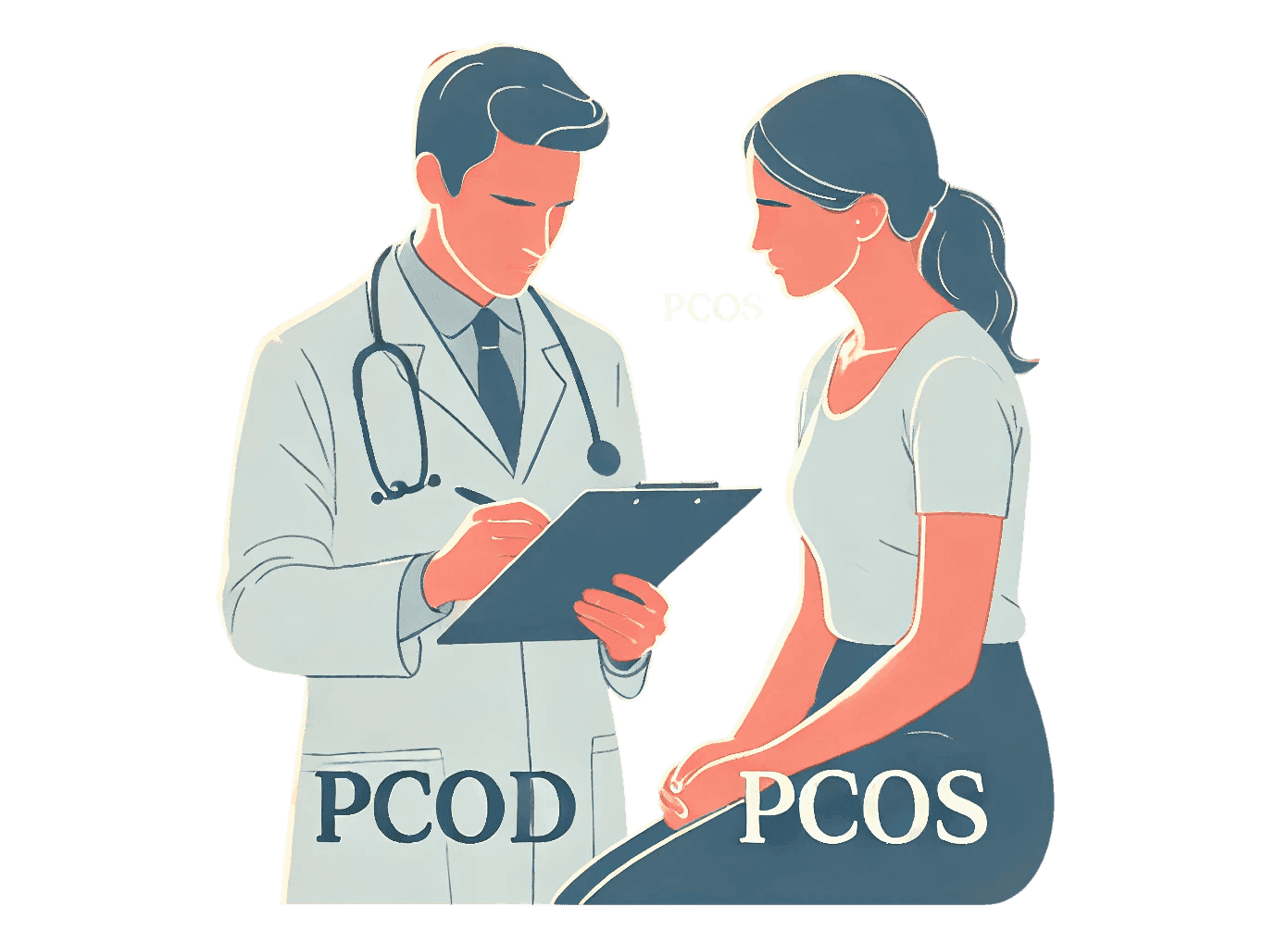
PCOD vs. PCOS: What’s the Difference?
Polycystic Ovarian Disorder (PCOD) and Polycystic Ovarian Syndrome (PCOS) are often used interchangeably, but they are not the same. Both conditions affect the ovaries and are common among women of reproductive age. However, PCOS is a more severe and complex hormonal disorder, while PCOD is a milder condition that can often be managed with lifestyle changes. Understanding the differences between the two can help women take the right steps toward better reproductive and overall health. In this blog, we’ll break down the key differences between PCOD and PCOS, their symptoms, causes, and treatment options. ## **What is PCOD?** PCOD (Polycystic Ovarian Disorder) occurs when a woman's ovaries release immature or partially mature eggs, which eventually turn into cysts. This leads to hormonal imbalances and irregular menstrual cycles. It is a relatively common condition and affects almost 1 in 3 women. However, it is less severe than PCOS and can be managed with diet, exercise, and lifestyle modifications. ## **Symptoms of PCOD:** - Irregular menstrual cycles - Mild weight gain - Acne and oily skin - Hair thinning - Occasional difficulty in conceiving ## **Causes of PCOD:** - Poor lifestyle and eating habits - Excess insulin production - Stress and anxiety - Genetic predisposition ## **What is PCOS?** PCOS (Polycystic Ovarian Syndrome) is a more serious hormonal disorder that affects not just the ovaries but also other body systems. Women with PCOS produce excessive male hormones (androgens), which disrupt ovulation and lead to multiple cysts forming in the ovaries. This can cause long-term complications like type 2 diabetes, infertility, and heart disease. ## **Symptoms of PCOS:** - Irregular or absent periods - Excessive facial and body hair (hirsutism) - Severe acne - Unexplained weight gain, especially around the abdomen - Difficulty in conceiving - Increased risk of diabetes and high blood pressure ## **Causes of PCOS:** - Hormonal imbalance - Insulin resistance - Chronic inflammation - Genetics ## **PCOD vs. PCOS: Key Differences** |Feature |PCOD |PCOS | |-----------|--------|------| |**Nature of Condition** | Hormonal disorder, relatively mild | Metabolic disorder, more severe| |**Ovulation** | Eggs are released irregularly but still ovulate | Ovulation is often absent| |**Fertility** | Women can conceive with some effort |Higher difficulty in conceiving | |**Weight Gain** | Mild weight gain |Significant weight gain, especially around the abdomen| |**Hormonal Imbalance** |Slight imbalance |Higher androgen levels, leading to severe symptoms| |**Treatment**|Lifestyle changes, medications|Lifestyle modifications, medications, fertility treatments if needed| ## **How Can PCOD and PCOS Affect Fertility?** Women with PCOD can still conceive naturally with some minor medical support. However, PCOS can make pregnancy more challenging due to irregular ovulation or lack of ovulation altogether. Women with PCOS often require medical intervention, such as ovulation-inducing medications or assisted reproductive techniques like IVF. ## **Treatment Options for PCOD & PCOS** ## **For PCOD:** - Maintaining a healthy diet and exercise routine - Reducing stress through yoga and meditation - Taking prescribed medications to regulate periods - Avoiding junk food and processed sugar ## **For PCOS:** - Strict weight management - Low-carb, high-protein diet - Medications to regulate hormones and insulin levels - Fertility treatments if trying to conceive - Regular monitoring of blood sugar and cholesterol levels ## **How IVF Pulse Helps Women with PCOD and PCOS** At IVF Pulse, we understand the struggles of managing PCOD and PCOS, especially when it comes to fertility. We provide: - **Expert Consultations:** Get personalized guidance from top fertility specialists. - **Advanced Treatment Plans:** Access the latest in fertility treatments, including IVF, ovulation induction, and hormonal therapy. - **Lifestyle Support:** Diet and exercise recommendations to manage symptoms effectively. - **Emotional Well-being Programs:** Counseling and stress management for better reproductive health. ## **Final Thoughts** While PCOD and PCOS share similarities, PCOS is a more serious condition that requires closer monitoring and medical attention. The good news is that both can be managed with the right lifestyle changes and medical treatments. If you’re struggling with symptoms of PCOD or PCOS, seeking medical advice early can help you take control of your health and fertility. Need expert guidance? Get in touch with IVF Pulse today and take the first step towards better reproductive health!
28 Feb '25|8 min read