Importance of Gut Health for Reproduction
29/10/2022 • 12 min

In recent years, the connection between gut health and overall well-being has become a focal point of medical research, with emerging evidence suggesting a significant link between gut health and reproductive health. The gut, often referred to as the "second brain," plays a crucial role in regulating various bodily functions, including digestion, immune response, and even mood regulation. However, its influence extends beyond these functions, impacting reproductive health in profound ways.
The gut microbiome, a complex community of trillions of microorganisms residing in the digestive tract, is integral to maintaining homeostasis within the body. This microbiome not only aids in digestion and nutrient absorption but also produces essential vitamins and hormones that are pivotal for reproductive health. An imbalance in the gut microbiota, known as dysbiosis, can lead to inflammation and immune system dysregulation, which may adversely affect reproductive functions.
Furthermore, the gut is involved in the synthesis and regulation of hormones such as estrogen and progesterone, which are critical for reproductive processes. The gut microbiota influences the metabolism of these hormones, and any disruption can lead to hormonal imbalances that may affect fertility and reproductive outcomes. Understanding the intricate relationship between gut health and reproductive health is essential for those looking to optimize their fertility and overall reproductive wellness.
The connection between the gut, brain, and reproductive system, often referred to as the "Gut-Brain-Reproductive Axis," is a fascinating and complex network that plays a crucial role in maintaining overall reproductive health. This axis highlights the intricate communication pathways that exist between these systems, emphasizing the importance of gut health in reproductive functions.
The gut is home to trillions of microorganisms, collectively known as the gut microbiota, which are essential for various bodily functions, including digestion, immune response, and even mood regulation. The gut-brain axis is a bidirectional communication system where the gut and brain send signals to each other through neural, hormonal, and immune pathways. This communication is vital for maintaining homeostasis and can influence reproductive health.
The gut microbiota produces neurotransmitters such as serotonin and dopamine, which are crucial for mood regulation and have been shown to impact reproductive hormones. An imbalance in these neurotransmitters can lead to stress and anxiety, which are known to affect fertility and reproductive outcomes. Moreover, the gut microbiota can influence the production of sex hormones like estrogen and progesterone, which are critical for ovulation and maintaining a healthy menstrual cycle.
Inflammation is another key factor in the gut-brain-reproductive axis. A healthy gut helps regulate inflammation, which is important because chronic inflammation can lead to conditions such as polycystic ovary syndrome (PCOS) and endometriosis, both of which can negatively impact fertility. By maintaining a balanced gut microbiota, inflammation can be kept in check, thereby supporting reproductive health.
Furthermore, the gut-brain-reproductive axis underscores the importance of mental well-being in reproductive health. Stress and mental health disorders can disrupt the gut microbiota, leading to a cascade of effects that may impair reproductive function. Therefore, nurturing gut health not only supports physical health but also contributes to mental and emotional well-being, which are essential for optimal reproductive health.
In conclusion, understanding and maintaining the gut-brain-reproductive axis is vital for those looking to optimize their reproductive health. By focusing on gut health, individuals can positively influence their hormonal balance, reduce inflammation, and improve their overall mental and emotional well-being, all of which are crucial for successful reproduction.
The intricate relationship between gut health and fertility is an emerging area of interest in reproductive medicine. The gut microbiome, which consists of trillions of microorganisms residing in the digestive tract, plays a crucial role in maintaining overall health, including reproductive health. A balanced gut microbiome is essential for the proper functioning of the immune system, hormone regulation, and nutrient absorption, all of which are critical factors for fertility.
One of the primary ways gut health impacts fertility is through hormone regulation. The gut microbiota is involved in the metabolism of estrogen, a key hormone in both male and female reproductive systems. Dysbiosis, or an imbalance in the gut microbiota, can lead to altered estrogen levels, potentially affecting ovulation and sperm production. Additionally, the gut microbiome influences the levels of other hormones such as insulin and leptin, which are involved in reproductive processes.
Furthermore, the gut microbiome plays a role in modulating inflammation, which is a significant factor in fertility. Chronic inflammation can lead to conditions such as polycystic ovary syndrome (PCOS) and endometriosis, both of which are known to affect fertility adversely. A healthy gut microbiome helps to maintain a balanced immune response, reducing the risk of such inflammatory conditions.
Moreover, the gut is responsible for the absorption of vital nutrients like folate, vitamin D, and omega-3 fatty acids, which are essential for reproductive health. A compromised gut may lead to nutrient deficiencies, impacting fertility by affecting egg and sperm quality.
In summary, maintaining a healthy gut is vital for optimal fertility. By supporting a balanced gut microbiome through diet, lifestyle changes, and possibly probiotics, individuals can enhance their reproductive health and increase their chances of conception.
During pregnancy, the importance of maintaining optimal gut health becomes even more pronounced. The gut microbiome, which is the collection of all the microorganisms living in the intestinal tract, plays a crucial role in supporting a healthy pregnancy. A balanced gut microbiome can help in modulating the immune system, which is vital for preventing complications such as preeclampsia, gestational diabetes, and preterm birth.
Moreover, the gut microbiota is involved in the synthesis of essential vitamins and nutrients, such as folate and vitamin K, which are crucial for fetal development. An imbalance in gut bacteria, known as dysbiosis, can lead to inflammation and may affect the placenta's health, potentially impacting the baby's growth and development.
Pregnant women often experience changes in their gut microbiome due to hormonal shifts, dietary changes, and increased stress levels. These changes can sometimes lead to digestive issues such as constipation or bloating, which are common during pregnancy. Therefore, maintaining a diet rich in fiber, fermented foods, and probiotics can support a healthy gut microbiome, thereby promoting a smoother pregnancy experience.
Furthermore, recent studies suggest that the mother's gut health can influence the baby's microbiome, impacting the child's immune system and metabolic health later in life. This connection underscores the importance of gut health not just during pregnancy, but also as a foundational element for the child's long-term health.
Gut health plays a pivotal role in reproductive health, and several common gut health issues can significantly impact fertility and reproductive outcomes. One of the most prevalent issues is dysbiosis, which refers to an imbalance in the gut microbiome. Dysbiosis can lead to systemic inflammation, which is known to disrupt hormonal balance and impair reproductive functions. Inflammation can affect the menstrual cycle, ovulation, and even sperm quality, making conception more challenging.
Another common gut health issue is leaky gut syndrome, where the intestinal lining becomes more permeable than normal. This condition allows toxins and bacteria to enter the bloodstream, triggering an immune response that can lead to chronic inflammation. Chronic inflammation is detrimental to reproductive health as it can interfere with implantation and increase the risk of miscarriage.
Irritable Bowel Syndrome (IBS) is also linked to reproductive health issues. IBS can cause significant stress and discomfort, which may exacerbate hormonal imbalances and affect fertility. The stress associated with managing IBS symptoms can also impact mental health, further influencing reproductive health through the gut-brain-reproductive axis.
Moreover, conditions like celiac disease and inflammatory bowel disease (IBD) are known to affect nutrient absorption, leading to deficiencies in essential vitamins and minerals necessary for reproductive health. For instance, deficiencies in folate, vitamin D, and iron can lead to complications in both fertility and pregnancy.
Addressing these gut health issues through dietary changes, stress management, and medical interventions can help improve reproductive outcomes. It is crucial for individuals facing fertility challenges to consider their gut health as part of a comprehensive approach to enhancing reproductive health.
A balanced diet and healthy lifestyle are crucial for maintaining optimal gut and reproductive health. The gut microbiome, which consists of trillions of microorganisms, plays a significant role in digestion, immune function, and even hormone regulation. Therefore, what we eat can directly influence our gut health and, consequently, our reproductive health.
Dietary Considerations
To support a healthy gut microbiome, it's essential to consume a diet rich in fiber, which can be found in fruits, vegetables, whole grains, and legumes. Fiber acts as a prebiotic, feeding the beneficial bacteria in the gut and promoting their growth. Additionally, incorporating fermented foods like yogurt, kefir, sauerkraut, and kimchi can introduce probiotics, which are live beneficial bacteria that help maintain a balanced gut flora.
Omega-3 fatty acids, found in fish like salmon and mackerel, as well as in flaxseeds and walnuts, have anti-inflammatory properties that can benefit both gut and reproductive health. These fatty acids help reduce inflammation in the body, which is crucial for maintaining a healthy reproductive system.
Limiting processed foods, sugars, and artificial additives is also important, as these can disrupt the balance of gut bacteria and lead to inflammation. Instead, focus on whole, unprocessed foods that provide essential nutrients and support overall health.
Lifestyle Factors
Beyond diet, lifestyle factors such as stress management, regular exercise, and adequate sleep are vital for maintaining gut and reproductive health. Chronic stress can negatively impact the gut microbiome and hormone levels, potentially affecting fertility. Practices such as yoga, meditation, and deep-breathing exercises can help manage stress levels effectively.
Regular physical activity promotes healthy digestion and circulation, which are important for both gut and reproductive health. Exercise also helps regulate hormones and can improve mood and energy levels, contributing to overall well-being.
Lastly, ensuring adequate sleep is crucial, as sleep deprivation can disrupt the balance of gut bacteria and hormone production. Aim for 7-9 hours of quality sleep per night to support both gut and reproductive health.
By focusing on a balanced diet and healthy lifestyle, individuals can optimize their gut health, which in turn supports reproductive health, enhancing fertility and overall well-being.
Probiotics and supplements play a crucial role in maintaining gut health, which in turn can significantly impact reproductive health. Probiotics are live microorganisms that, when consumed in adequate amounts, confer a health benefit on the host. They are often referred to as "good" or "friendly" bacteria because they help keep the gut microbiota balanced, which is essential for overall health, including reproductive functions.
In the context of fertility, a balanced gut microbiome can influence hormone regulation, immune system function, and inflammation levels—all critical factors in reproductive health. For instance, certain strains of probiotics have been shown to improve the gut barrier function and reduce systemic inflammation, which can be beneficial for individuals trying to conceive.
Supplements, such as prebiotics, omega-3 fatty acids, and specific vitamins and minerals, can also support gut health. Prebiotics, which are non-digestible fibers, serve as food for probiotics and help them thrive in the gut. Omega-3 fatty acids, found in fish oil supplements, have anti-inflammatory properties that can benefit both gut and reproductive health.
Additionally, vitamins like B12, D, and folate are crucial for both gut and reproductive health. Vitamin D, for example, is known to modulate the immune system and has been linked to improved fertility outcomes. Folate is essential for DNA synthesis and repair, which is vital during conception and pregnancy.
Incorporating a combination of probiotics and targeted supplements into one’s diet can therefore be a strategic approach to enhancing both gut and reproductive health. However, it is important to consult with a healthcare provider before starting any new supplement regimen, especially for individuals with specific health conditions or those who are pregnant or trying to conceive.
In conclusion, the intricate relationship between gut health and reproductive health underscores the importance of maintaining a balanced and healthy gut microbiome. As research continues to unravel the complexities of the gut-brain-reproductive axis, it becomes increasingly clear that gut health plays a pivotal role in fertility, pregnancy, and overall reproductive wellness. Addressing gut health issues, whether through dietary changes, lifestyle adjustments, or the use of probiotics and supplements, can have profound effects on reproductive outcomes. By prioritizing gut health, individuals can enhance their reproductive health, potentially improving fertility rates and pregnancy outcomes. As such, healthcare providers and individuals alike should consider gut health as a critical component of reproductive health strategies, ensuring a holistic approach to fertility and pregnancy care.
What is the connection between gut health and reproductive health?
Gut health can influence hormone balance, inflammation, and nutrient absorption, all of which play crucial roles in reproductive health.
How does gut microbiota affect fertility?
The gut microbiota can impact hormone levels and immune function, potentially influencing fertility and pregnancy outcomes.
Can improving gut health enhance fertility?
Yes, maintaining a healthy gut can help optimize hormone levels and reduce inflammation, which may improve fertility.
What dietary changes can support gut health for better reproductive outcomes?
Incorporating probiotics, prebiotics, fiber-rich foods, and reducing processed foods can support gut health and, in turn, reproductive health.
Are there specific probiotics that are beneficial for fertility?
Certain strains like Lactobacillus and Bifidobacterium have been shown to support both gut and reproductive health.
How does inflammation in the gut affect reproductive health?
Chronic inflammation can disrupt hormonal balance and impair reproductive functions, potentially affecting fertility.
What role do hormones play in the gut-reproduction connection?
Hormones such as estrogen and progesterone can be influenced by gut health, impacting menstrual cycles and fertility.
Can stress affect gut health and subsequently reproductive health?
Yes, stress can negatively impact gut health, leading to hormonal imbalances and potential reproductive issues.
Is there a connection between gut health and conditions like PCOS or endometriosis?
Emerging research suggests that gut health may play a role in conditions like PCOS and endometriosis, affecting fertility.
How can lifestyle changes improve both gut and reproductive health?
Regular exercise, a balanced diet, stress management, and adequate sleep can improve both gut and reproductive health.
Explore
Fertility and Ayurveda: Can It Help?
Fertility issues are becoming increasingly common, leading many couples to explore both modern medical treatments like IVF (In Vitro Fertilization) and traditional approaches such as Ayurveda. While Ayurveda offers holistic methods to improve reproductive health, can it truly enhance fertility, and how does it compare to IVF? Let’s explore both perspectives to understand their roles in conception. ## **IVF vs. Ayurveda: Understanding the Approaches** **1. IVF – The Proven Scientific Method** IVF is a widely accepted fertility treatment with high success rates. It involves stimulating the ovaries, retrieving eggs, fertilizing them in a lab, and transferring the embryo into the uterus. IVF is particularly beneficial for: - ✔ Women with blocked fallopian tubes or severe PCOS - ✔ Couples with unexplained infertility - ✔ Older women with low ovarian reserve - ✔ Men with low sperm count or motility **2. Ayurveda – A Supportive, Natural Approach** Ayurveda focuses on improving overall reproductive health by balancing the body's energies (doshas), detoxifying, and enhancing nutrition. While it may not directly treat severe infertility cases, it can: - ✔ Improve egg and sperm quality - ✔ Regulate menstrual cycles and ovulation - ✔ Reduce stress and improve hormonal balance - ✔ Complement IVF treatments for better success ## **How Ayurveda Can Support IVF** Instead of viewing Ayurveda and IVF as opposing approaches, many fertility experts recommend integrating them. Here’s how Ayurveda can enhance IVF success: **1. Pre-IVF Body Preparation** - ✔ **Panchakarma Therapy**: Detoxifies the body, preparing it for fertility treatments. - ✔ **Herbs like Ashwagandha & Shatavari**: Help in hormonal regulation and uterine health. **2. During IVF** - ✔ **Dietary Adjustments**: Ayurveda suggests a nutrient-rich diet with warm, fresh foods that support embryo implantation. - ✔ **Yoga & Meditation**: Helps reduce stress, which can improve IVF outcomes. **3. Post-IVF Support** - ✔ **Gentle Lifestyle Changes**: Ayurveda recommends rest, positive mindset, and avoiding processed foods to support pregnancy. ## **Final Verdict: IVF Has the Upper Hand** While Ayurveda can enhance fertility naturally, it cannot replace IVF, especially for couples facing complex infertility issues. However, Ayurveda can be a great complementary approach to boost IVF success rates by improving overall reproductive health. ## **How IVF Pulse Can Help** At IVF Pulse, we believe in a holistic approach to fertility. Whether you’re considering IVF or looking for natural ways to enhance reproductive health, our experts provide guidance tailored to your journey. 📞 Contact us today to explore the best fertility treatment options!
10 Mar '25|8 min read
Is Infertility on the Rise? What the Data Says
Infertility has become a growing concern worldwide, with more couples struggling to conceive than ever before. But is infertility really on the rise, or are we just more aware of it now? Let’s explore the data, potential causes, and what can be done to address this issue. ## **Understanding Infertility Trends** Infertility is defined as the inability to conceive after one year of unprotected intercourse. According to the World Health Organization (WHO), nearly 1 in 6 couples worldwide experience infertility at some point in their lives. Several studies and reports indicate that infertility rates have increased over the past few decades. ## **Key Statistics on Infertility** - A 2023 WHO report estimated that 17.5% of the global adult population is affected by infertility. - In India, infertility rates have doubled in the last two decades, with 10-15% of couples facing fertility issues. - A study published in The Lancet found that male fertility has declined by over 50% in the last 40 years. ## **Why Are Infertility Rates Increasing?** Several factors contribute to the rising infertility rates, including lifestyle changes, environmental factors, and medical conditions. ## **1. Lifestyle Factors** - **Delayed Childbearing:** More people are choosing to have children later in life, but fertility declines with age. - **Unhealthy Diets:** Processed foods, excessive sugar, and lack of nutrients can impact reproductive health. - **Obesity & Weight Issues:** Both underweight and overweight individuals may experience hormonal imbalances affecting fertility. - **Smoking & Alcohol Consumption:** Studies show that tobacco and alcohol use can lower fertility in both men and women. ## **2. Environmental Factors** - **Pollution & Toxins:** Air pollution, pesticides, and endocrine-disrupting chemicals in plastics affect reproductive health. - **Radiation & EMFs:** Increased exposure to mobile phone radiation and other electromagnetic fields may contribute to declining sperm and egg quality. ## **3. Medical Conditions** **PCOS & Endometriosis:** These conditions are major causes of infertility in women. **Diabetes & Thyroid Disorders:** Hormonal imbalances can disrupt ovulation and sperm production. **Genetic Factors:** Some people may have inherited conditions that affect fertility. What Can Be Done to Improve Fertility? ## **While some causes of infertility are beyond our control, several steps can help improve fertility chances:** - **Maintain a Healthy Diet:** Eat a balanced diet rich in antioxidants, vitamins, and minerals. - **Exercise Regularly:** Moderate physical activity helps maintain a healthy weight and hormone balance. - **Reduce Stress:** Chronic stress can impact reproductive hormones. Yoga, meditation, and counseling may help. - **Limit Exposure to Toxins:** Avoid plastics, pesticides, and other harmful chemicals. - **Seek Medical Help Early:** If you’re struggling to conceive, consult a fertility specialist for guidance. ## **How IVF Pulse Helps** At IVF Pulse, we provide expert guidance, fertility treatments, and resources to help couples navigate their fertility journey. Our specialists use advanced diagnostics and personalized treatment plans to maximize success rates. Whether you're exploring IVF or other fertility solutions, we’re here to support you every step of the way. ## **Final Thoughts** Infertility is a growing issue, but understanding the causes and taking proactive steps can improve the chances of conception. If you or someone you know is struggling with fertility, remember that help is available, and options like IVF can make parenthood possible.
03 Mar '25|8 min read
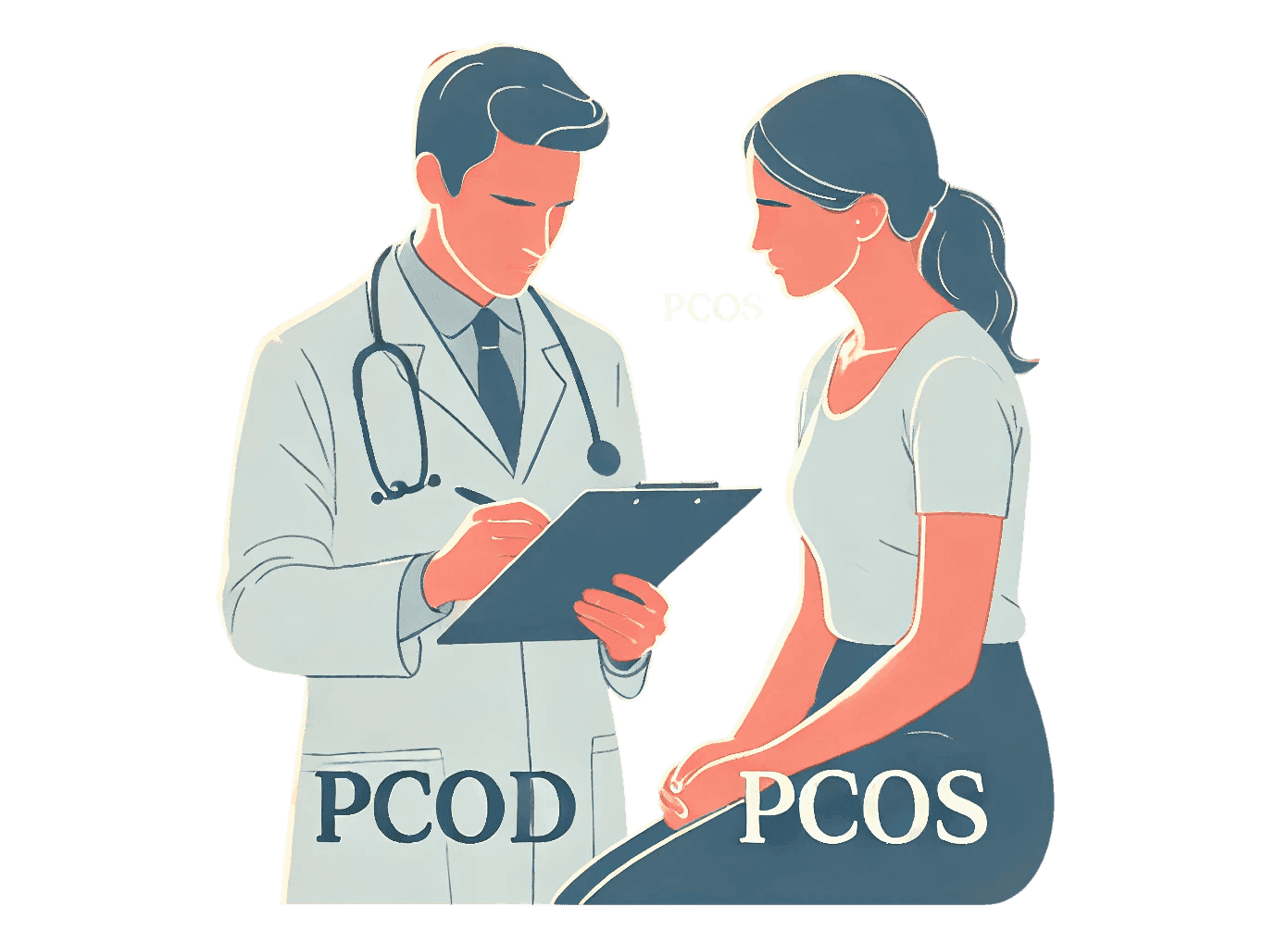
PCOD vs. PCOS: What’s the Difference?
Polycystic Ovarian Disorder (PCOD) and Polycystic Ovarian Syndrome (PCOS) are often used interchangeably, but they are not the same. Both conditions affect the ovaries and are common among women of reproductive age. However, PCOS is a more severe and complex hormonal disorder, while PCOD is a milder condition that can often be managed with lifestyle changes. Understanding the differences between the two can help women take the right steps toward better reproductive and overall health. In this blog, we’ll break down the key differences between PCOD and PCOS, their symptoms, causes, and treatment options. ## **What is PCOD?** PCOD (Polycystic Ovarian Disorder) occurs when a woman's ovaries release immature or partially mature eggs, which eventually turn into cysts. This leads to hormonal imbalances and irregular menstrual cycles. It is a relatively common condition and affects almost 1 in 3 women. However, it is less severe than PCOS and can be managed with diet, exercise, and lifestyle modifications. ## **Symptoms of PCOD:** - Irregular menstrual cycles - Mild weight gain - Acne and oily skin - Hair thinning - Occasional difficulty in conceiving ## **Causes of PCOD:** - Poor lifestyle and eating habits - Excess insulin production - Stress and anxiety - Genetic predisposition ## **What is PCOS?** PCOS (Polycystic Ovarian Syndrome) is a more serious hormonal disorder that affects not just the ovaries but also other body systems. Women with PCOS produce excessive male hormones (androgens), which disrupt ovulation and lead to multiple cysts forming in the ovaries. This can cause long-term complications like type 2 diabetes, infertility, and heart disease. ## **Symptoms of PCOS:** - Irregular or absent periods - Excessive facial and body hair (hirsutism) - Severe acne - Unexplained weight gain, especially around the abdomen - Difficulty in conceiving - Increased risk of diabetes and high blood pressure ## **Causes of PCOS:** - Hormonal imbalance - Insulin resistance - Chronic inflammation - Genetics ## **PCOD vs. PCOS: Key Differences** |Feature |PCOD |PCOS | |-----------|--------|------| |**Nature of Condition** | Hormonal disorder, relatively mild | Metabolic disorder, more severe| |**Ovulation** | Eggs are released irregularly but still ovulate | Ovulation is often absent| |**Fertility** | Women can conceive with some effort |Higher difficulty in conceiving | |**Weight Gain** | Mild weight gain |Significant weight gain, especially around the abdomen| |**Hormonal Imbalance** |Slight imbalance |Higher androgen levels, leading to severe symptoms| |**Treatment**|Lifestyle changes, medications|Lifestyle modifications, medications, fertility treatments if needed| ## **How Can PCOD and PCOS Affect Fertility?** Women with PCOD can still conceive naturally with some minor medical support. However, PCOS can make pregnancy more challenging due to irregular ovulation or lack of ovulation altogether. Women with PCOS often require medical intervention, such as ovulation-inducing medications or assisted reproductive techniques like IVF. ## **Treatment Options for PCOD & PCOS** ## **For PCOD:** - Maintaining a healthy diet and exercise routine - Reducing stress through yoga and meditation - Taking prescribed medications to regulate periods - Avoiding junk food and processed sugar ## **For PCOS:** - Strict weight management - Low-carb, high-protein diet - Medications to regulate hormones and insulin levels - Fertility treatments if trying to conceive - Regular monitoring of blood sugar and cholesterol levels ## **How IVF Pulse Helps Women with PCOD and PCOS** At IVF Pulse, we understand the struggles of managing PCOD and PCOS, especially when it comes to fertility. We provide: - **Expert Consultations:** Get personalized guidance from top fertility specialists. - **Advanced Treatment Plans:** Access the latest in fertility treatments, including IVF, ovulation induction, and hormonal therapy. - **Lifestyle Support:** Diet and exercise recommendations to manage symptoms effectively. - **Emotional Well-being Programs:** Counseling and stress management for better reproductive health. ## **Final Thoughts** While PCOD and PCOS share similarities, PCOS is a more serious condition that requires closer monitoring and medical attention. The good news is that both can be managed with the right lifestyle changes and medical treatments. If you’re struggling with symptoms of PCOD or PCOS, seeking medical advice early can help you take control of your health and fertility. Need expert guidance? Get in touch with IVF Pulse today and take the first step towards better reproductive health!
28 Feb '25|8 min read