How Often Should Couples Try to Conceive?
10/09/2024 • 12 min

When it comes to starting a family, one of the most common questions couples have is how often they should try to conceive. Understanding the timing of conception is crucial for maximizing the chances of pregnancy. The process of conception is a complex interplay of biological factors, and timing plays a pivotal role.
Conception occurs when a sperm fertilizes an egg, which typically happens in the fallopian tubes. For this to occur, the timing of intercourse in relation to ovulation is key. Ovulation is the process by which an ovary releases an egg, and it usually happens once in each menstrual cycle. The egg is viable for about 12 to 24 hours after release, while sperm can live inside the female reproductive tract for up to five days. This means that there is a relatively short window each month during which conception is possible.
Understanding the menstrual cycle and identifying the ovulation period can significantly enhance the chances of conception. Couples often use methods such as tracking basal body temperature, monitoring cervical mucus, or using ovulation predictor kits to pinpoint the most fertile days. By having intercourse during this fertile window, couples can increase their likelihood of conception.
In this blog, we will delve deeper into the specifics of the ovulation window, explore the concept of fertile days, discuss the recommended frequency of intercourse, and examine various factors that can influence conception success. Additionally, we will provide guidance on when it might be time to seek professional help and address the emotional and psychological aspects of trying to conceive. Our goal is to equip you with the knowledge to create a personalized conception plan that aligns with your family planning goals.
Understanding the ovulation window is crucial for couples trying to conceive, as it represents the period when a woman is most fertile. Ovulation typically occurs once in each menstrual cycle when an ovary releases a mature egg. This egg then travels down the fallopian tube, where it can be fertilized by sperm. The ovulation window is generally considered to be about 12 to 24 hours long; however, the fertile window, which includes the days leading up to and including ovulation, spans approximately six days. This is because sperm can live inside the female reproductive tract for up to five days, waiting for an egg to be released.
To accurately identify the ovulation window, many women track their menstrual cycles using various methods. These include monitoring changes in cervical mucus, which becomes clearer and more stretchy around ovulation, and using ovulation predictor kits that detect the surge in luteinizing hormone (LH) that precedes ovulation. Some women also track basal body temperature, which slightly increases after ovulation due to rising progesterone levels.
Timing intercourse during the ovulation window can significantly increase the chances of conception. Couples are often advised to have intercourse every day or every other day during the fertile window to maximize the likelihood of sperm meeting the egg. Understanding and accurately identifying the ovulation window can empower couples to take a proactive approach in their journey to conceive, ensuring they are optimizing their chances each cycle.
Understanding and identifying the fertile days in a woman's menstrual cycle is crucial for maximizing the chances of conception. Typically, a woman's fertile window spans about six days, including the five days leading up to ovulation and the day of ovulation itself. This period is when the likelihood of sperm successfully fertilizing an egg is highest.
The science behind this is rooted in the lifespan of sperm and the egg. Sperm can live inside the female reproductive tract for up to five days, while an egg remains viable for about 12 to 24 hours after ovulation. Therefore, having intercourse during these fertile days increases the probability that sperm will be present when the egg is released.
To accurately pinpoint the fertile window, couples can utilize several methods. One common approach is tracking the menstrual cycle over several months to predict ovulation. Ovulation typically occurs about 14 days before the start of the next menstrual period in a 28-day cycle. However, cycle lengths can vary, so it's helpful to use additional indicators such as changes in cervical mucus and basal body temperature. Cervical mucus becomes clearer, stretchier, and more slippery as ovulation approaches, resembling raw egg whites. Basal body temperature slightly rises after ovulation, so tracking it over time can help in predicting future ovulation dates.
Moreover, ovulation predictor kits (OPKs) are a valuable tool for many couples. These kits detect the surge in luteinizing hormone (LH) that occurs 24 to 36 hours before ovulation, providing a more precise indication of the most fertile days. By combining these methods, couples can better identify their fertile window and time intercourse accordingly to enhance their chances of conception.
The frequency of intercourse is a critical factor when couples are trying to conceive. While it might seem intuitive to increase the frequency of intercourse to maximize the chances of conception, it is essential to strike a balance to maintain sperm quality and ensure both partners are emotionally and physically comfortable.
Research suggests that engaging in intercourse every two to three days throughout the menstrual cycle can significantly increase the likelihood of conception. This frequency ensures that sperm is readily available in the reproductive tract during the woman's fertile window, which typically spans six days, including the day of ovulation and the five days preceding it.
It's important to note that while daily intercourse during the fertile window might seem beneficial, it can sometimes lead to decreased sperm quality due to insufficient time for sperm to mature. Therefore, for most couples, having intercourse every other day during this period is often recommended.
Additionally, maintaining a relaxed and stress-free environment is crucial. Stress and pressure to conceive can negatively impact both partners' libido and overall relationship satisfaction, which can inadvertently affect conception efforts. Couples should focus on maintaining intimacy and connection, rather than strictly adhering to a schedule, to keep the process enjoyable and less stressful.
Ultimately, the key is to find a rhythm that works for both partners, taking into account their unique circumstances and preferences. Consulting with a healthcare provider can also provide personalized recommendations based on individual health and fertility profiles.
When it comes to understanding the factors influencing conception success, it's essential to recognize that multiple elements come into play, each contributing to the likelihood of achieving pregnancy. One of the primary factors is the age of both partners. As women age, particularly after the age of 35, their fertility tends to decline due to a decrease in the quantity and quality of their eggs. Similarly, men's fertility can also decline with age, affecting sperm quality and motility.
Another significant factor is the overall health and lifestyle of both partners. Conditions such as obesity, smoking, excessive alcohol consumption, and poor diet can negatively impact fertility. Maintaining a healthy weight, eating a balanced diet rich in essential nutrients, and avoiding harmful substances can enhance reproductive health.
Stress levels and emotional well-being also play a crucial role. High stress can disrupt hormonal balance, affecting ovulation and sperm production. Couples are encouraged to engage in stress-reducing activities such as yoga, meditation, or counseling to improve their chances of conception.
Medical history and underlying health conditions, such as polycystic ovary syndrome (PCOS), endometriosis, or thyroid disorders, can also affect fertility. It's vital for couples to consult healthcare providers to manage these conditions effectively.
Lastly, environmental factors, including exposure to toxins and pollutants, can influence reproductive health. Limiting exposure to harmful chemicals in the workplace or through personal care products can be beneficial.
By understanding and addressing these factors, couples can significantly improve their chances of conception success. It's a multifaceted approach that requires attention to physical health, emotional well-being, and lifestyle choices.
If you've been trying to conceive for a while without success, it might be time to consider seeking professional help. Generally, couples under the age of 35 are advised to seek medical advice if they have been trying to conceive for a year without success. For couples over the age of 35, it's recommended to seek help after six months of trying, as fertility can decline more rapidly with age.
There are various reasons why conception might not be occurring, and a fertility specialist can help identify potential issues. These may include ovulatory disorders, sperm abnormalities, or anatomical problems with the reproductive organs. Additionally, underlying health conditions such as polycystic ovary syndrome (PCOS), endometriosis, or thyroid disorders can also affect fertility.
A fertility specialist will typically begin with a comprehensive evaluation of both partners. This may include a detailed medical history, physical examinations, and specific tests such as semen analysis, hormone testing, and imaging studies like ultrasounds or hysterosalpingography. These assessments help in diagnosing any underlying issues that might be affecting your fertility.
Early intervention can be crucial in addressing fertility issues. Depending on the diagnosis, treatment options may range from lifestyle changes and medication to assisted reproductive technologies like in vitro fertilization (IVF) or intrauterine insemination (IUI). Seeking help early can also provide emotional support and guidance, which is often needed during this challenging time.
Remember, seeking professional help is a proactive step towards understanding and overcoming fertility challenges. It can provide you with the necessary tools and information to make informed decisions about your reproductive health and future family planning.
Embarking on the journey to conceive can be an emotionally charged experience for many couples. The anticipation, hope, and sometimes disappointment that accompany each cycle can create a rollercoaster of emotions. It's essential for couples to acknowledge and address these emotional and psychological aspects as they navigate their path to parenthood.
First and foremost, communication between partners is crucial. Openly discussing feelings, fears, and expectations can help mitigate misunderstandings and foster a supportive environment. It's important for both partners to feel heard and validated, as this can strengthen their bond and provide mutual support during challenging times.
Stress management is another critical component. The pressure to conceive can sometimes lead to heightened stress levels, which may, in turn, affect fertility. Couples should consider incorporating stress-reducing practices into their routine, such as mindfulness, yoga, or meditation. Engaging in activities that bring joy and relaxation can also be beneficial.
Seeking support from external sources can also be invaluable. This might include joining support groups where couples can share experiences and advice, or consulting with a therapist specializing in fertility issues. Professional guidance can offer new perspectives and coping strategies, helping couples to manage their emotional well-being more effectively.
Finally, it's important for couples to set realistic expectations and be patient with the process. Conception can take time, and each couple's journey is unique. Understanding that setbacks are a natural part of the process can help in maintaining a positive outlook and reducing undue pressure on the relationship.
Creating a conception plan is a personalized approach that can significantly enhance a couple's chances of conceiving. This plan should be based on a thorough understanding of the woman's menstrual cycle, particularly the ovulation window, and should incorporate the couple's lifestyle, health, and emotional readiness. A well-structured conception plan involves setting realistic goals and expectations, taking into account the frequency of intercourse during the fertile window, and understanding the factors that may influence conception success, such as age, health conditions, and lifestyle choices.
Couples should also consider the emotional and psychological aspects of trying to conceive, ensuring that both partners are supportive and communicative throughout the process. It's important to maintain a healthy lifestyle, including a balanced diet and regular exercise, to optimize fertility health. Additionally, managing stress and seeking professional guidance when necessary can be crucial components of a successful conception plan.
Ultimately, the goal of a conception plan is to create a supportive and informed environment that maximizes the chances of conception while minimizing stress and anxiety. By being proactive and informed, couples can navigate the journey to parenthood with confidence and clarity.
How often should couples have intercourse to increase the chances of conception?
Most experts recommend having intercourse every 1 to 2 days during the fertile window to maximize the chances of conception.
What is the 'fertile window' and how can couples identify it?
The fertile window is the period in a woman's menstrual cycle when conception is most likely to occur. It typically includes the days leading up to and including ovulation. Couples can track ovulation using methods like basal body temperature tracking, ovulation predictor kits, and monitoring cervical mucus.
Is it necessary to have intercourse every day during the fertile window?
No, it is not necessary to have intercourse every day during the fertile window. Every other day is usually sufficient and can help maintain sperm quality.
Can frequent intercourse negatively affect sperm quality?
While daily ejaculation can slightly reduce sperm count, it usually does not affect fertility for most men. However, having intercourse every 1 to 2 days is generally recommended to balance sperm quality and quantity.
How long should couples try to conceive before seeking medical advice?
Couples under 35 should try for at least one year, while those over 35 should seek medical advice after six months of trying without success.
Does the time of day matter when trying to conceive?
There is no scientific evidence to suggest that the time of day affects fertility or conception rates.
Are there any lifestyle factors that can impact how often couples should try to conceive?
Yes, factors such as stress, diet, exercise, and overall health can impact fertility. Maintaining a healthy lifestyle can improve the chances of conception.
How can couples increase their chances of conceiving naturally?
Couples can increase their chances by timing intercourse during the fertile window, maintaining a healthy lifestyle, and possibly using fertility tracking tools.
Should couples try different positions to conceive?
There is no scientific evidence that specific positions increase the likelihood of conception, but comfort and mutual satisfaction are important.
Can age affect how often couples should try to conceive?
Yes, as age increases, fertility can decline, especially for women. Couples may need to be more proactive and possibly seek medical advice sooner if they face challenges.
Explore
Fertility and Ayurveda: Can It Help?
Fertility issues are becoming increasingly common, leading many couples to explore both modern medical treatments like IVF (In Vitro Fertilization) and traditional approaches such as Ayurveda. While Ayurveda offers holistic methods to improve reproductive health, can it truly enhance fertility, and how does it compare to IVF? Let’s explore both perspectives to understand their roles in conception. ## **IVF vs. Ayurveda: Understanding the Approaches** **1. IVF – The Proven Scientific Method** IVF is a widely accepted fertility treatment with high success rates. It involves stimulating the ovaries, retrieving eggs, fertilizing them in a lab, and transferring the embryo into the uterus. IVF is particularly beneficial for: - ✔ Women with blocked fallopian tubes or severe PCOS - ✔ Couples with unexplained infertility - ✔ Older women with low ovarian reserve - ✔ Men with low sperm count or motility **2. Ayurveda – A Supportive, Natural Approach** Ayurveda focuses on improving overall reproductive health by balancing the body's energies (doshas), detoxifying, and enhancing nutrition. While it may not directly treat severe infertility cases, it can: - ✔ Improve egg and sperm quality - ✔ Regulate menstrual cycles and ovulation - ✔ Reduce stress and improve hormonal balance - ✔ Complement IVF treatments for better success ## **How Ayurveda Can Support IVF** Instead of viewing Ayurveda and IVF as opposing approaches, many fertility experts recommend integrating them. Here’s how Ayurveda can enhance IVF success: **1. Pre-IVF Body Preparation** - ✔ **Panchakarma Therapy**: Detoxifies the body, preparing it for fertility treatments. - ✔ **Herbs like Ashwagandha & Shatavari**: Help in hormonal regulation and uterine health. **2. During IVF** - ✔ **Dietary Adjustments**: Ayurveda suggests a nutrient-rich diet with warm, fresh foods that support embryo implantation. - ✔ **Yoga & Meditation**: Helps reduce stress, which can improve IVF outcomes. **3. Post-IVF Support** - ✔ **Gentle Lifestyle Changes**: Ayurveda recommends rest, positive mindset, and avoiding processed foods to support pregnancy. ## **Final Verdict: IVF Has the Upper Hand** While Ayurveda can enhance fertility naturally, it cannot replace IVF, especially for couples facing complex infertility issues. However, Ayurveda can be a great complementary approach to boost IVF success rates by improving overall reproductive health. ## **How IVF Pulse Can Help** At IVF Pulse, we believe in a holistic approach to fertility. Whether you’re considering IVF or looking for natural ways to enhance reproductive health, our experts provide guidance tailored to your journey. 📞 Contact us today to explore the best fertility treatment options!
10 Mar '25|8 min read
Is Infertility on the Rise? What the Data Says
Infertility has become a growing concern worldwide, with more couples struggling to conceive than ever before. But is infertility really on the rise, or are we just more aware of it now? Let’s explore the data, potential causes, and what can be done to address this issue. ## **Understanding Infertility Trends** Infertility is defined as the inability to conceive after one year of unprotected intercourse. According to the World Health Organization (WHO), nearly 1 in 6 couples worldwide experience infertility at some point in their lives. Several studies and reports indicate that infertility rates have increased over the past few decades. ## **Key Statistics on Infertility** - A 2023 WHO report estimated that 17.5% of the global adult population is affected by infertility. - In India, infertility rates have doubled in the last two decades, with 10-15% of couples facing fertility issues. - A study published in The Lancet found that male fertility has declined by over 50% in the last 40 years. ## **Why Are Infertility Rates Increasing?** Several factors contribute to the rising infertility rates, including lifestyle changes, environmental factors, and medical conditions. ## **1. Lifestyle Factors** - **Delayed Childbearing:** More people are choosing to have children later in life, but fertility declines with age. - **Unhealthy Diets:** Processed foods, excessive sugar, and lack of nutrients can impact reproductive health. - **Obesity & Weight Issues:** Both underweight and overweight individuals may experience hormonal imbalances affecting fertility. - **Smoking & Alcohol Consumption:** Studies show that tobacco and alcohol use can lower fertility in both men and women. ## **2. Environmental Factors** - **Pollution & Toxins:** Air pollution, pesticides, and endocrine-disrupting chemicals in plastics affect reproductive health. - **Radiation & EMFs:** Increased exposure to mobile phone radiation and other electromagnetic fields may contribute to declining sperm and egg quality. ## **3. Medical Conditions** **PCOS & Endometriosis:** These conditions are major causes of infertility in women. **Diabetes & Thyroid Disorders:** Hormonal imbalances can disrupt ovulation and sperm production. **Genetic Factors:** Some people may have inherited conditions that affect fertility. What Can Be Done to Improve Fertility? ## **While some causes of infertility are beyond our control, several steps can help improve fertility chances:** - **Maintain a Healthy Diet:** Eat a balanced diet rich in antioxidants, vitamins, and minerals. - **Exercise Regularly:** Moderate physical activity helps maintain a healthy weight and hormone balance. - **Reduce Stress:** Chronic stress can impact reproductive hormones. Yoga, meditation, and counseling may help. - **Limit Exposure to Toxins:** Avoid plastics, pesticides, and other harmful chemicals. - **Seek Medical Help Early:** If you’re struggling to conceive, consult a fertility specialist for guidance. ## **How IVF Pulse Helps** At IVF Pulse, we provide expert guidance, fertility treatments, and resources to help couples navigate their fertility journey. Our specialists use advanced diagnostics and personalized treatment plans to maximize success rates. Whether you're exploring IVF or other fertility solutions, we’re here to support you every step of the way. ## **Final Thoughts** Infertility is a growing issue, but understanding the causes and taking proactive steps can improve the chances of conception. If you or someone you know is struggling with fertility, remember that help is available, and options like IVF can make parenthood possible.
03 Mar '25|8 min read

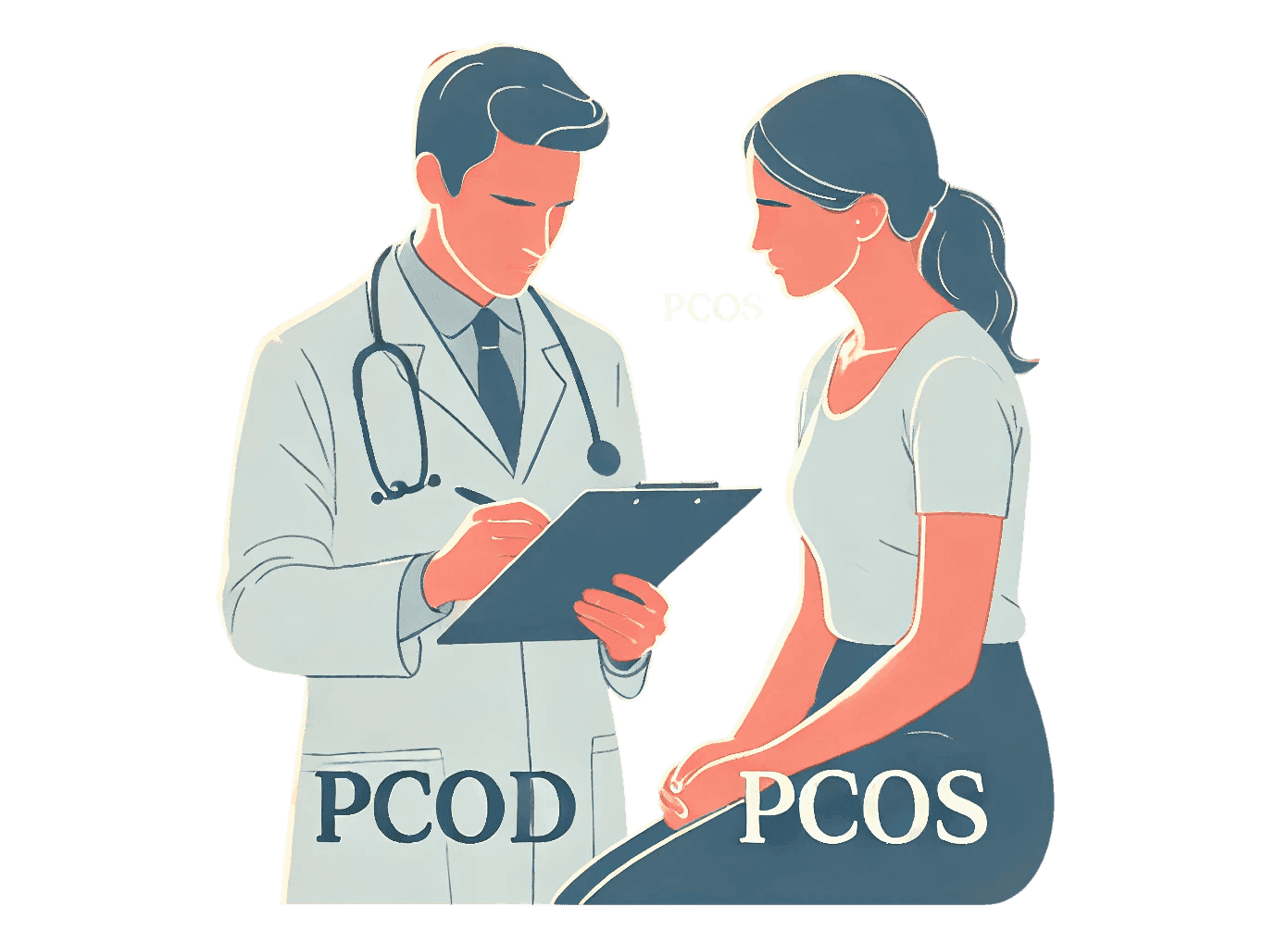
PCOD vs. PCOS: What’s the Difference?
Polycystic Ovarian Disorder (PCOD) and Polycystic Ovarian Syndrome (PCOS) are often used interchangeably, but they are not the same. Both conditions affect the ovaries and are common among women of reproductive age. However, PCOS is a more severe and complex hormonal disorder, while PCOD is a milder condition that can often be managed with lifestyle changes. Understanding the differences between the two can help women take the right steps toward better reproductive and overall health. In this blog, we’ll break down the key differences between PCOD and PCOS, their symptoms, causes, and treatment options. ## **What is PCOD?** PCOD (Polycystic Ovarian Disorder) occurs when a woman's ovaries release immature or partially mature eggs, which eventually turn into cysts. This leads to hormonal imbalances and irregular menstrual cycles. It is a relatively common condition and affects almost 1 in 3 women. However, it is less severe than PCOS and can be managed with diet, exercise, and lifestyle modifications. ## **Symptoms of PCOD:** - Irregular menstrual cycles - Mild weight gain - Acne and oily skin - Hair thinning - Occasional difficulty in conceiving ## **Causes of PCOD:** - Poor lifestyle and eating habits - Excess insulin production - Stress and anxiety - Genetic predisposition ## **What is PCOS?** PCOS (Polycystic Ovarian Syndrome) is a more serious hormonal disorder that affects not just the ovaries but also other body systems. Women with PCOS produce excessive male hormones (androgens), which disrupt ovulation and lead to multiple cysts forming in the ovaries. This can cause long-term complications like type 2 diabetes, infertility, and heart disease. ## **Symptoms of PCOS:** - Irregular or absent periods - Excessive facial and body hair (hirsutism) - Severe acne - Unexplained weight gain, especially around the abdomen - Difficulty in conceiving - Increased risk of diabetes and high blood pressure ## **Causes of PCOS:** - Hormonal imbalance - Insulin resistance - Chronic inflammation - Genetics ## **PCOD vs. PCOS: Key Differences** |Feature |PCOD |PCOS | |-----------|--------|------| |**Nature of Condition** | Hormonal disorder, relatively mild | Metabolic disorder, more severe| |**Ovulation** | Eggs are released irregularly but still ovulate | Ovulation is often absent| |**Fertility** | Women can conceive with some effort |Higher difficulty in conceiving | |**Weight Gain** | Mild weight gain |Significant weight gain, especially around the abdomen| |**Hormonal Imbalance** |Slight imbalance |Higher androgen levels, leading to severe symptoms| |**Treatment**|Lifestyle changes, medications|Lifestyle modifications, medications, fertility treatments if needed| ## **How Can PCOD and PCOS Affect Fertility?** Women with PCOD can still conceive naturally with some minor medical support. However, PCOS can make pregnancy more challenging due to irregular ovulation or lack of ovulation altogether. Women with PCOS often require medical intervention, such as ovulation-inducing medications or assisted reproductive techniques like IVF. ## **Treatment Options for PCOD & PCOS** ## **For PCOD:** - Maintaining a healthy diet and exercise routine - Reducing stress through yoga and meditation - Taking prescribed medications to regulate periods - Avoiding junk food and processed sugar ## **For PCOS:** - Strict weight management - Low-carb, high-protein diet - Medications to regulate hormones and insulin levels - Fertility treatments if trying to conceive - Regular monitoring of blood sugar and cholesterol levels ## **How IVF Pulse Helps Women with PCOD and PCOS** At IVF Pulse, we understand the struggles of managing PCOD and PCOS, especially when it comes to fertility. We provide: - **Expert Consultations:** Get personalized guidance from top fertility specialists. - **Advanced Treatment Plans:** Access the latest in fertility treatments, including IVF, ovulation induction, and hormonal therapy. - **Lifestyle Support:** Diet and exercise recommendations to manage symptoms effectively. - **Emotional Well-being Programs:** Counseling and stress management for better reproductive health. ## **Final Thoughts** While PCOD and PCOS share similarities, PCOS is a more serious condition that requires closer monitoring and medical attention. The good news is that both can be managed with the right lifestyle changes and medical treatments. If you’re struggling with symptoms of PCOD or PCOS, seeking medical advice early can help you take control of your health and fertility. Need expert guidance? Get in touch with IVF Pulse today and take the first step towards better reproductive health!
28 Feb '25|8 min read