How Age Affects Male Fertility
24/09/2022 • 12 min
Male fertility is a complex interplay of various biological, environmental, and lifestyle factors, with age being a significant determinant. Unlike women, who experience a more abrupt decline in fertility with menopause, men do not have a clear-cut fertility endpoint. However, this does not mean that male fertility remains constant throughout life. As men age, subtle changes occur in their reproductive system that can affect their ability to conceive. Understanding these changes is crucial for those planning to start or expand their families later in life.
The impact of age on male fertility is multifaceted, involving changes in sperm production, hormonal levels, and overall reproductive health. While men can father children well into their later years, the efficiency and quality of sperm production tend to decline with age. This decline can lead to longer times to conception and an increased risk of infertility.
Moreover, the age-related changes in male fertility are not only biological but also involve genetic and psychosocial dimensions. Older fathers may face increased risks of genetic mutations in sperm, which can affect the health of their offspring. Additionally, the decision to become a father at an older age can have significant psychosocial implications, influencing family dynamics and personal health.
In this blog, we will explore the various aspects of how age affects male fertility, delving into the biological changes, the impact on sperm quality, genetic considerations, associated health conditions, and the psychosocial aspects of being an older father. We will also discuss strategies to optimize fertility as men age, providing a comprehensive guide for those navigating the complexities of male fertility and age.
As men age, various biological changes occur that can impact fertility. One of the primary changes is the gradual decline in testosterone levels, a condition known as andropause or male menopause. Testosterone is crucial for the production of sperm and maintaining libido, and its decrease can lead to reduced sperm production and quality. Additionally, the aging process can affect the testicular tissue, leading to a decrease in the number of Sertoli cells, which are essential for nurturing developing sperm cells.
Another significant change is the increase in DNA fragmentation within sperm as men age. This fragmentation can lead to reduced fertility and an increased risk of genetic abnormalities in offspring. The oxidative stress associated with aging can exacerbate this issue, as it damages the sperm DNA and affects the overall sperm morphology and motility.
Moreover, the volume of ejaculate tends to decrease with age, which can further impact fertility. The seminal fluid, which provides a medium for sperm to travel, becomes less abundant, potentially reducing the chances of successful fertilization.
These biological changes underscore the importance of understanding how age can affect male fertility and highlight the need for potential interventions or lifestyle modifications to mitigate these effects.
As men age, there is a notable impact on sperm quality, which is a crucial factor in male fertility. Sperm quality encompasses several parameters, including sperm count, motility, morphology, and DNA integrity, all of which can decline with advancing age. Research has shown that men over the age of 40 often experience a decrease in sperm motility, meaning that the sperm's ability to swim effectively towards the egg is compromised. This reduction in motility can significantly affect the chances of successful fertilization.
Moreover, the morphology of sperm, which refers to the size and shape of the sperm cells, can also be adversely affected by age. Abnormal sperm morphology can impede the sperm's ability to penetrate and fertilize the egg. Additionally, older age is associated with a decline in sperm count, which reduces the overall number of sperm available to reach and fertilize the egg.
One of the most critical aspects of sperm quality affected by age is DNA integrity. As men age, the likelihood of DNA fragmentation in sperm increases. DNA fragmentation can lead to reduced fertility, increased risk of miscarriage, and potential health issues in the offspring. This is because damaged DNA in sperm can result in faulty genetic material being passed on to the child, potentially leading to developmental problems.
Overall, while men can remain fertile throughout their lives, the decline in sperm quality with age can pose significant challenges to conception and the health of potential offspring. Understanding these changes is essential for men considering fatherhood later in life, as it may influence their reproductive planning and decisions.
As men age, genetic considerations become increasingly important when evaluating fertility and the potential health of offspring. One of the primary concerns is the accumulation of genetic mutations in sperm. Unlike women, who are born with all their eggs, men produce new sperm throughout their lives. This continuous production process involves numerous cell divisions, and with each division, there is a risk of copying errors or mutations. As a man ages, the likelihood of these mutations increases, potentially leading to genetic anomalies in offspring.
Research has shown that children of older fathers may have a higher risk of certain genetic disorders, such as autism spectrum disorders, schizophrenia, and other developmental and psychiatric conditions. This is thought to be due to the increased number of de novo mutations—those that are present in the child but not in either parent—that occur more frequently in the sperm of older men.
Moreover, the age-related decline in DNA repair mechanisms means that older sperm may have more DNA fragmentation. This fragmentation can affect the integrity of the genetic material passed on to the child, potentially leading to issues with embryo development and increased miscarriage rates.
It is also important to consider the role of epigenetics, which involves changes in gene expression that do not alter the DNA sequence itself. Epigenetic changes can be influenced by environmental factors and lifestyle choices, and these changes can be passed on to offspring. In older fathers, there may be an increased risk of epigenetic alterations that could impact the health and development of their children.
Given these genetic considerations, it is crucial for older men who are planning to father children to be aware of these risks and to discuss them with a healthcare provider. Genetic counseling and advanced reproductive technologies may offer options to mitigate some of these risks, ensuring the best possible outcomes for both the father and the child.
As men age, they may encounter various health conditions that can have a significant impact on their fertility. One of the primary concerns is the increased risk of developing chronic diseases such as hypertension, diabetes, and obesity, which are more prevalent in older age. These conditions can lead to hormonal imbalances, reduced libido, and erectile dysfunction, all of which can negatively affect fertility. For instance, diabetes can cause damage to the blood vessels and nerves, leading to difficulties in achieving or maintaining an erection, thereby impacting the ability to conceive.
Additionally, age-related health conditions such as cardiovascular disease can impair blood flow, which is crucial for erectile function. Obesity, which is more common in older men, can lead to lower testosterone levels, further diminishing fertility potential. Moreover, metabolic syndrome, a cluster of conditions including high blood pressure, high blood sugar, excess body fat around the waist, and abnormal cholesterol levels, is also associated with decreased fertility in men.
Furthermore, certain medications used to manage these health conditions can also have side effects that impact fertility. For example, some antihypertensive drugs and antidepressants are known to affect sexual function and sperm quality. Therefore, it is essential for older men who are trying to conceive to work closely with their healthcare providers to manage these health conditions effectively while considering their impact on fertility.
In summary, age-related health conditions can pose significant challenges to male fertility. However, with proper management and lifestyle modifications, the negative effects on fertility can be mitigated, allowing older men to maintain their reproductive health.
Becoming a father later in life can bring about a unique set of psychosocial challenges and rewards. Older fathers often find themselves in a different life stage compared to younger fathers, which can influence their parenting style and the dynamics within the family. One of the significant psychosocial aspects is the potential for increased emotional maturity and stability. Many older fathers have had the opportunity to establish their careers, gain life experience, and develop a strong sense of self, which can contribute positively to their parenting approach. They may be more patient, financially stable, and able to provide a nurturing environment for their children.
However, being an older father can also come with challenges. There may be concerns about the ability to keep up with young children physically, as well as worries about health and longevity. Older fathers might face societal perceptions and stereotypes about their age, which can impact their self-esteem and social interactions. Additionally, there is the consideration of generational gaps, which can influence communication and relationship building with their children.
Social support is crucial for older fathers to navigate these challenges. Engaging with peer groups, seeking counseling if needed, and fostering open communication within the family can help mitigate some of the psychosocial stresses associated with being an older parent. Ultimately, the experience of fatherhood at an older age can be deeply rewarding, offering a chance for personal growth and the joy of nurturing the next generation.
As men age, maintaining optimal fertility can become more challenging due to various biological and lifestyle factors. However, there are several strategies that can help optimize male fertility, even as one grows older.
1. Healthy Lifestyle Choices: Adopting a healthy lifestyle is crucial for maintaining fertility. This includes a balanced diet rich in antioxidants, vitamins, and minerals which are essential for sperm health. Foods high in omega-3 fatty acids, zinc, selenium, and vitamins C and E can improve sperm quality. Regular physical activity also helps maintain a healthy weight and improves overall health, which can positively impact fertility.
2. Avoiding Harmful Substances: Reducing or eliminating the intake of alcohol, tobacco, and recreational drugs is vital as these substances can negatively affect sperm quality and count. Additionally, limiting exposure to environmental toxins and chemicals, such as pesticides and heavy metals, can help protect sperm health.
3. Stress Management: Chronic stress can adversely affect hormone levels and sperm production. Techniques such as meditation, yoga, and deep-breathing exercises can help manage stress levels. Adequate sleep is also important for hormonal balance and overall well-being.
4. Regular Medical Check-Ups: Regular health screenings can help detect and manage conditions that may affect fertility, such as diabetes, hypertension, and hormonal imbalances. Consulting with a healthcare provider about medications that might impact fertility is also advisable.
5. Consideration of Supplements: Some men may benefit from supplements specifically designed to support male fertility. These often include antioxidants and other nutrients that support sperm health. However, it is important to consult with a healthcare provider before starting any supplement regimen.
6. Timing and Frequency of Intercourse: Understanding the timing of intercourse in relation to the partner's ovulation cycle can increase the chances of conception. Regular intercourse, especially during the fertile window, is recommended.
By incorporating these strategies, older men can take proactive steps to maintain and even enhance their fertility, thereby increasing their chances of fathering a child.
In conclusion, understanding the intricate relationship between age and male fertility is crucial for individuals and couples planning to conceive. As men age, they face a complex array of changes that can impact their fertility, including biological shifts, alterations in sperm quality, and increased genetic risks. These factors, coupled with potential age-related health conditions, underscore the importance of informed decision-making when considering fatherhood later in life.
However, it's essential to recognize that age also brings certain advantages. Older fathers often bring maturity, stability, and life experience to parenting, which can be beneficial for child-rearing. Balancing these pros and cons requires a nuanced approach, taking into account personal health, lifestyle, and family goals.
Ultimately, while age can present challenges to male fertility, it is not an insurmountable barrier. With advances in medical science and a proactive approach to health and wellness, many men can successfully father children later in life. By weighing the pros and cons, individuals can make informed choices that align with their personal and familial aspirations.
Does age affect male fertility?
Yes, age can affect male fertility. As men age, there may be a decline in sperm quality and quantity, which can impact fertility.
At what age does male fertility begin to decline?
Male fertility typically begins to decline around the age of 40, although this can vary from individual to individual.
How does age affect sperm quality?
With increasing age, men may experience a decrease in sperm motility, an increase in sperm DNA fragmentation, and changes in sperm morphology, all of which can affect fertility.
Can older men still father children?
Yes, older men can still father children, but the chances may be reduced, and there may be an increased risk of genetic abnormalities in the offspring.
Does paternal age affect the health of the child?
Advanced paternal age has been associated with an increased risk of genetic disorders, autism, and schizophrenia in children.
Are there lifestyle changes older men can make to improve fertility?
Maintaining a healthy lifestyle, including a balanced diet, regular exercise, avoiding smoking and excessive alcohol consumption, can help improve fertility in older men.
Can medical treatments help older men with fertility issues?
Yes, there are medical treatments and assisted reproductive technologies (ART) that can help older men with fertility issues, such as IVF and ICSI.
Is there a test to determine the impact of age on male fertility?
A semen analysis is a common test that can help assess the impact of age on male fertility by evaluating sperm count, motility, and morphology.
Does age affect the success rates of IVF for men?
While female age is a more significant factor in IVF success, male age can also impact the success rates, particularly if there are issues with sperm quality.
What are the signs of declining fertility in men as they age?
Signs may include a decrease in libido, erectile dysfunction, or reduced semen volume. However, many men may not experience noticeable symptoms.
Explore
Fertility and Ayurveda: Can It Help?
Fertility issues are becoming increasingly common, leading many couples to explore both modern medical treatments like IVF (In Vitro Fertilization) and traditional approaches such as Ayurveda. While Ayurveda offers holistic methods to improve reproductive health, can it truly enhance fertility, and how does it compare to IVF? Let’s explore both perspectives to understand their roles in conception. ## **IVF vs. Ayurveda: Understanding the Approaches** **1. IVF – The Proven Scientific Method** IVF is a widely accepted fertility treatment with high success rates. It involves stimulating the ovaries, retrieving eggs, fertilizing them in a lab, and transferring the embryo into the uterus. IVF is particularly beneficial for: - ✔ Women with blocked fallopian tubes or severe PCOS - ✔ Couples with unexplained infertility - ✔ Older women with low ovarian reserve - ✔ Men with low sperm count or motility **2. Ayurveda – A Supportive, Natural Approach** Ayurveda focuses on improving overall reproductive health by balancing the body's energies (doshas), detoxifying, and enhancing nutrition. While it may not directly treat severe infertility cases, it can: - ✔ Improve egg and sperm quality - ✔ Regulate menstrual cycles and ovulation - ✔ Reduce stress and improve hormonal balance - ✔ Complement IVF treatments for better success ## **How Ayurveda Can Support IVF** Instead of viewing Ayurveda and IVF as opposing approaches, many fertility experts recommend integrating them. Here’s how Ayurveda can enhance IVF success: **1. Pre-IVF Body Preparation** - ✔ **Panchakarma Therapy**: Detoxifies the body, preparing it for fertility treatments. - ✔ **Herbs like Ashwagandha & Shatavari**: Help in hormonal regulation and uterine health. **2. During IVF** - ✔ **Dietary Adjustments**: Ayurveda suggests a nutrient-rich diet with warm, fresh foods that support embryo implantation. - ✔ **Yoga & Meditation**: Helps reduce stress, which can improve IVF outcomes. **3. Post-IVF Support** - ✔ **Gentle Lifestyle Changes**: Ayurveda recommends rest, positive mindset, and avoiding processed foods to support pregnancy. ## **Final Verdict: IVF Has the Upper Hand** While Ayurveda can enhance fertility naturally, it cannot replace IVF, especially for couples facing complex infertility issues. However, Ayurveda can be a great complementary approach to boost IVF success rates by improving overall reproductive health. ## **How IVF Pulse Can Help** At IVF Pulse, we believe in a holistic approach to fertility. Whether you’re considering IVF or looking for natural ways to enhance reproductive health, our experts provide guidance tailored to your journey. 📞 Contact us today to explore the best fertility treatment options!
10 Mar '25|8 min read
Is Infertility on the Rise? What the Data Says
Infertility has become a growing concern worldwide, with more couples struggling to conceive than ever before. But is infertility really on the rise, or are we just more aware of it now? Let’s explore the data, potential causes, and what can be done to address this issue. ## **Understanding Infertility Trends** Infertility is defined as the inability to conceive after one year of unprotected intercourse. According to the World Health Organization (WHO), nearly 1 in 6 couples worldwide experience infertility at some point in their lives. Several studies and reports indicate that infertility rates have increased over the past few decades. ## **Key Statistics on Infertility** - A 2023 WHO report estimated that 17.5% of the global adult population is affected by infertility. - In India, infertility rates have doubled in the last two decades, with 10-15% of couples facing fertility issues. - A study published in The Lancet found that male fertility has declined by over 50% in the last 40 years. ## **Why Are Infertility Rates Increasing?** Several factors contribute to the rising infertility rates, including lifestyle changes, environmental factors, and medical conditions. ## **1. Lifestyle Factors** - **Delayed Childbearing:** More people are choosing to have children later in life, but fertility declines with age. - **Unhealthy Diets:** Processed foods, excessive sugar, and lack of nutrients can impact reproductive health. - **Obesity & Weight Issues:** Both underweight and overweight individuals may experience hormonal imbalances affecting fertility. - **Smoking & Alcohol Consumption:** Studies show that tobacco and alcohol use can lower fertility in both men and women. ## **2. Environmental Factors** - **Pollution & Toxins:** Air pollution, pesticides, and endocrine-disrupting chemicals in plastics affect reproductive health. - **Radiation & EMFs:** Increased exposure to mobile phone radiation and other electromagnetic fields may contribute to declining sperm and egg quality. ## **3. Medical Conditions** **PCOS & Endometriosis:** These conditions are major causes of infertility in women. **Diabetes & Thyroid Disorders:** Hormonal imbalances can disrupt ovulation and sperm production. **Genetic Factors:** Some people may have inherited conditions that affect fertility. What Can Be Done to Improve Fertility? ## **While some causes of infertility are beyond our control, several steps can help improve fertility chances:** - **Maintain a Healthy Diet:** Eat a balanced diet rich in antioxidants, vitamins, and minerals. - **Exercise Regularly:** Moderate physical activity helps maintain a healthy weight and hormone balance. - **Reduce Stress:** Chronic stress can impact reproductive hormones. Yoga, meditation, and counseling may help. - **Limit Exposure to Toxins:** Avoid plastics, pesticides, and other harmful chemicals. - **Seek Medical Help Early:** If you’re struggling to conceive, consult a fertility specialist for guidance. ## **How IVF Pulse Helps** At IVF Pulse, we provide expert guidance, fertility treatments, and resources to help couples navigate their fertility journey. Our specialists use advanced diagnostics and personalized treatment plans to maximize success rates. Whether you're exploring IVF or other fertility solutions, we’re here to support you every step of the way. ## **Final Thoughts** Infertility is a growing issue, but understanding the causes and taking proactive steps can improve the chances of conception. If you or someone you know is struggling with fertility, remember that help is available, and options like IVF can make parenthood possible.
03 Mar '25|8 min read

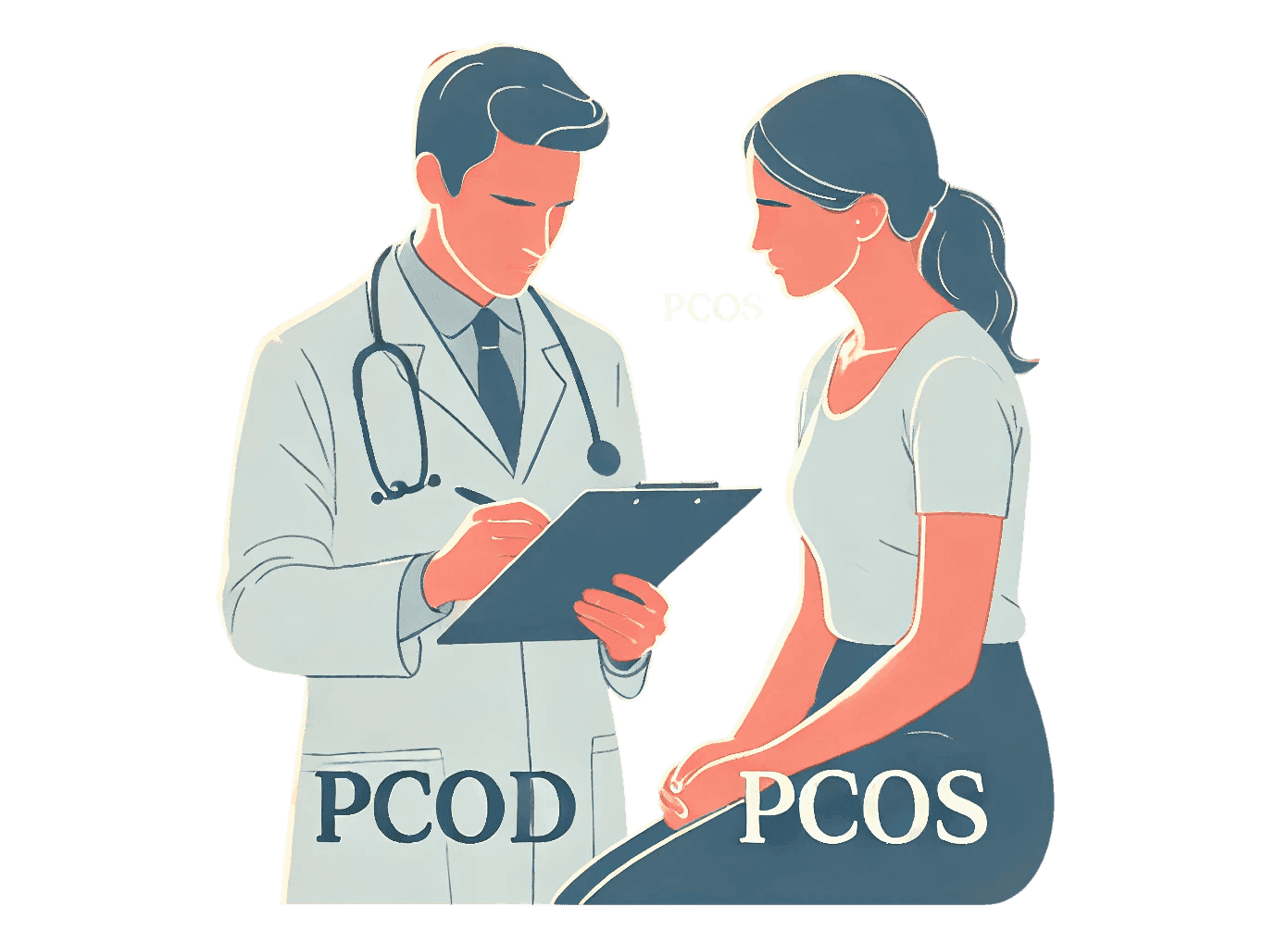
PCOD vs. PCOS: What’s the Difference?
Polycystic Ovarian Disorder (PCOD) and Polycystic Ovarian Syndrome (PCOS) are often used interchangeably, but they are not the same. Both conditions affect the ovaries and are common among women of reproductive age. However, PCOS is a more severe and complex hormonal disorder, while PCOD is a milder condition that can often be managed with lifestyle changes. Understanding the differences between the two can help women take the right steps toward better reproductive and overall health. In this blog, we’ll break down the key differences between PCOD and PCOS, their symptoms, causes, and treatment options. ## **What is PCOD?** PCOD (Polycystic Ovarian Disorder) occurs when a woman's ovaries release immature or partially mature eggs, which eventually turn into cysts. This leads to hormonal imbalances and irregular menstrual cycles. It is a relatively common condition and affects almost 1 in 3 women. However, it is less severe than PCOS and can be managed with diet, exercise, and lifestyle modifications. ## **Symptoms of PCOD:** - Irregular menstrual cycles - Mild weight gain - Acne and oily skin - Hair thinning - Occasional difficulty in conceiving ## **Causes of PCOD:** - Poor lifestyle and eating habits - Excess insulin production - Stress and anxiety - Genetic predisposition ## **What is PCOS?** PCOS (Polycystic Ovarian Syndrome) is a more serious hormonal disorder that affects not just the ovaries but also other body systems. Women with PCOS produce excessive male hormones (androgens), which disrupt ovulation and lead to multiple cysts forming in the ovaries. This can cause long-term complications like type 2 diabetes, infertility, and heart disease. ## **Symptoms of PCOS:** - Irregular or absent periods - Excessive facial and body hair (hirsutism) - Severe acne - Unexplained weight gain, especially around the abdomen - Difficulty in conceiving - Increased risk of diabetes and high blood pressure ## **Causes of PCOS:** - Hormonal imbalance - Insulin resistance - Chronic inflammation - Genetics ## **PCOD vs. PCOS: Key Differences** |Feature |PCOD |PCOS | |-----------|--------|------| |**Nature of Condition** | Hormonal disorder, relatively mild | Metabolic disorder, more severe| |**Ovulation** | Eggs are released irregularly but still ovulate | Ovulation is often absent| |**Fertility** | Women can conceive with some effort |Higher difficulty in conceiving | |**Weight Gain** | Mild weight gain |Significant weight gain, especially around the abdomen| |**Hormonal Imbalance** |Slight imbalance |Higher androgen levels, leading to severe symptoms| |**Treatment**|Lifestyle changes, medications|Lifestyle modifications, medications, fertility treatments if needed| ## **How Can PCOD and PCOS Affect Fertility?** Women with PCOD can still conceive naturally with some minor medical support. However, PCOS can make pregnancy more challenging due to irregular ovulation or lack of ovulation altogether. Women with PCOS often require medical intervention, such as ovulation-inducing medications or assisted reproductive techniques like IVF. ## **Treatment Options for PCOD & PCOS** ## **For PCOD:** - Maintaining a healthy diet and exercise routine - Reducing stress through yoga and meditation - Taking prescribed medications to regulate periods - Avoiding junk food and processed sugar ## **For PCOS:** - Strict weight management - Low-carb, high-protein diet - Medications to regulate hormones and insulin levels - Fertility treatments if trying to conceive - Regular monitoring of blood sugar and cholesterol levels ## **How IVF Pulse Helps Women with PCOD and PCOS** At IVF Pulse, we understand the struggles of managing PCOD and PCOS, especially when it comes to fertility. We provide: - **Expert Consultations:** Get personalized guidance from top fertility specialists. - **Advanced Treatment Plans:** Access the latest in fertility treatments, including IVF, ovulation induction, and hormonal therapy. - **Lifestyle Support:** Diet and exercise recommendations to manage symptoms effectively. - **Emotional Well-being Programs:** Counseling and stress management for better reproductive health. ## **Final Thoughts** While PCOD and PCOS share similarities, PCOS is a more serious condition that requires closer monitoring and medical attention. The good news is that both can be managed with the right lifestyle changes and medical treatments. If you’re struggling with symptoms of PCOD or PCOS, seeking medical advice early can help you take control of your health and fertility. Need expert guidance? Get in touch with IVF Pulse today and take the first step towards better reproductive health!
28 Feb '25|8 min read