Herbal Remedies for Female Infertility
16/08/2024 • 12 min

Female infertility is a complex and often emotionally challenging condition that affects millions of women worldwide. It is defined as the inability to conceive after one year of regular, unprotected intercourse, or six months for women over the age of 35. Infertility can be attributed to a variety of factors, including hormonal imbalances, structural abnormalities, age-related decline in fertility, lifestyle factors, and underlying medical conditions such as polycystic ovary syndrome (PCOS) and endometriosis.
The journey to understanding and addressing female infertility often involves a comprehensive evaluation of both partners, as male factors can also contribute to the inability to conceive. For women, this evaluation typically includes a detailed medical history, physical examination, and a series of diagnostic tests such as blood tests to assess hormone levels, imaging studies like ultrasound to evaluate the reproductive organs, and sometimes more invasive procedures like laparoscopy.
The emotional toll of infertility can be significant, leading to feelings of frustration, sadness, and anxiety. It is important for women and their partners to seek support from healthcare professionals, counselors, and support groups to navigate this challenging journey. Understanding the underlying causes of infertility is the first step towards finding effective treatments, which may include lifestyle modifications, medical interventions, assisted reproductive technologies like in vitro fertilization (IVF), and increasingly, the exploration of complementary and alternative therapies such as herbal remedies.
Herbal remedies have been used for centuries across various cultures to address a myriad of health issues, including fertility challenges. In the realm of female infertility, these natural treatments are often sought after for their holistic approach and minimal side effects compared to conventional medical treatments. Herbal remedies can play a significant role in enhancing fertility by addressing underlying health issues that may be contributing to infertility, such as hormonal imbalances, stress, and inflammation.
One of the primary ways herbal remedies support fertility is by promoting hormonal balance. Herbs such as Vitex (Chaste Tree) are known to regulate the menstrual cycle and support the production of progesterone, a hormone crucial for maintaining pregnancy. Similarly, Maca root is reputed for its ability to enhance endocrine function, thereby improving overall hormonal health.
In addition to hormonal regulation, herbal remedies can also improve blood flow to the reproductive organs, which is essential for a healthy uterine lining and ovulation. For instance, Red Clover is often used to increase circulation and provide essential nutrients that support reproductive health.
Furthermore, many herbal remedies possess adaptogenic properties, which help the body manage stress more effectively. Stress is a well-known factor that can negatively impact fertility, and herbs like Ashwagandha and Rhodiola are commonly used to reduce stress and promote relaxation, thereby creating a more conducive environment for conception.
Overall, while herbal remedies can offer significant benefits for enhancing fertility, it is crucial for individuals to consult with healthcare professionals before starting any herbal treatment. This ensures that the chosen remedies are appropriate for their specific health needs and do not interfere with any ongoing treatments or medications.
Herbal remedies have been used for centuries across various cultures to address female infertility. These natural treatments are often sought after by those looking for alternative or complementary options to conventional fertility treatments. Here, we explore some of the most popular herbal remedies that have been traditionally used to support female reproductive health.
-
Vitex (Chaste Tree Berry): Vitex is one of the most well-known herbs for female fertility. It is believed to help balance hormones by acting on the pituitary gland, which regulates the production of estrogen and progesterone. Vitex is particularly useful for women with irregular menstrual cycles or luteal phase defects.
-
Maca Root: Originating from Peru, maca root is an adaptogen that helps balance hormones and increase energy levels. It is thought to improve fertility by supporting the endocrine system and enhancing libido. Maca is rich in essential nutrients that can help nourish the body and promote overall reproductive health.
-
Red Clover: Known for its high vitamin and mineral content, red clover is often used to detoxify the body and balance hormones. It contains phytoestrogens, which can mimic the effects of estrogen in the body, potentially aiding women with estrogen deficiencies.
-
Dong Quai: Often referred to as the "female ginseng," Dong Quai is used in traditional Chinese medicine to improve blood flow to the pelvic region and regulate the menstrual cycle. It is believed to help with menstrual irregularities and is often used in combination with other herbs.
-
Evening Primrose Oil: This oil is rich in gamma-linolenic acid (GLA), an essential fatty acid that can help improve cervical mucus production, making it easier for sperm to reach the egg. It is typically used during the first half of the menstrual cycle.
-
Tribulus Terrestris: This herb is used in Ayurvedic medicine to support female fertility by enhancing ovulation and improving the quality of the eggs. It is often recommended for women with ovulatory disorders.
While these herbal remedies are popular, it is crucial for individuals to consult with a healthcare provider before starting any herbal treatment, especially if they are already undergoing fertility treatments or have underlying health conditions. The efficacy and safety of these herbs can vary, and professional guidance can help ensure that they are used appropriately and effectively.
Herbal remedies have been used for centuries across various cultures to address a multitude of health concerns, including female infertility. These natural treatments work by leveraging the therapeutic properties of plants to support and enhance reproductive health. The mechanisms by which herbal remedies enhance fertility are multifaceted, often targeting different aspects of the reproductive system to create a conducive environment for conception.
One primary way herbal remedies work is by regulating hormonal balance. Hormones play a crucial role in the reproductive process, and any imbalance can lead to infertility. Certain herbs, such as Vitex (Chaste Tree), are known to influence the pituitary gland, which in turn helps regulate the production of hormones like progesterone and estrogen. By promoting hormonal balance, these herbs can help normalize menstrual cycles and improve ovulation.
Another significant aspect is the improvement of blood circulation to the reproductive organs. Herbs like Red Clover and Dong Quai are traditionally used to enhance blood flow, which is essential for nourishing the uterine lining and supporting a healthy endometrial environment. Improved circulation can also aid in the removal of toxins and the delivery of essential nutrients, both of which are vital for reproductive health.
Herbal remedies also work by reducing stress and promoting relaxation, which is crucial for fertility. Stress can negatively impact hormone levels and ovulation, so herbs like Ashwagandha and Rhodiola are often recommended for their adaptogenic properties, helping the body to manage stress more effectively.
Furthermore, some herbs possess antioxidant properties that protect the reproductive cells from oxidative stress, which can damage eggs and sperm. Antioxidant-rich herbs like Green Tea and Ginkgo Biloba can help mitigate this damage, potentially improving fertility outcomes.
In summary, herbal remedies enhance fertility through a combination of hormonal regulation, improved circulation, stress reduction, and antioxidant protection. These natural therapies offer a holistic approach to supporting reproductive health, making them a valuable option for those seeking to enhance their fertility naturally.
When considering herbal treatments for female infertility, it is crucial to evaluate both their safety and efficacy. Herbal remedies have been used for centuries across various cultures, but their effectiveness and safety can vary significantly depending on the specific herb, dosage, and individual health conditions.
Safety Considerations: One of the primary concerns with herbal treatments is the lack of standardization and regulation, which can lead to variations in potency and purity. Some herbs may interact with medications or have side effects that could potentially harm reproductive health. For instance, herbs like St. John's Wort, while beneficial for mood enhancement, can interfere with the effectiveness of certain fertility medications. Therefore, it is essential to consult with a healthcare provider before starting any herbal regimen, especially for those already undergoing fertility treatments.
Efficacy of Herbal Treatments: The efficacy of herbal remedies in treating female infertility is still a topic of ongoing research. While some studies suggest that certain herbs, such as Vitex (Chaste Tree) and Maca Root, may help regulate menstrual cycles and improve ovulation, the scientific evidence is not yet conclusive. The mechanisms through which these herbs work can vary; some may influence hormonal balance, while others might improve overall reproductive health by reducing stress or enhancing blood flow to the reproductive organs.
Research and Clinical Trials: Currently, there is a need for more rigorous clinical trials to establish the efficacy and safety of herbal treatments for infertility. Many studies conducted so far have been small-scale or lack the methodological rigor needed to draw definitive conclusions. However, anecdotal evidence and traditional use continue to support their potential benefits, making them a popular choice for many seeking alternative or complementary fertility treatments.
In summary, while herbal remedies offer a promising alternative or complement to conventional fertility treatments, it is vital to approach them with caution, ensuring that any herbal regimen is tailored to the individual's specific needs and health conditions, and is supervised by a qualified healthcare professional.
Integrating herbal remedies with conventional fertility treatments can offer a holistic approach to managing female infertility. Many women find that combining these methods can enhance their overall well-being and improve their chances of conception. However, it is crucial to approach this integration with caution and under the guidance of healthcare professionals who are knowledgeable about both herbal and conventional treatments.
One of the primary benefits of integrating herbal remedies with conventional treatments is the potential for reducing side effects associated with pharmaceutical medications. For instance, some herbs are known for their calming effects, which can help alleviate the stress and anxiety often experienced during fertility treatments. Stress reduction is particularly important as it can positively influence hormonal balance and reproductive health.
Moreover, certain herbal remedies may complement the action of fertility drugs. For example, herbs like Vitex (chaste tree) are believed to support hormonal regulation, which can be beneficial when used alongside medications that stimulate ovulation. However, it is essential to ensure that these herbs do not interfere with the pharmacodynamics of prescribed drugs.
Another consideration is the timing and dosage of herbal remedies when used with conventional treatments. It is vital to have a clear understanding of how these remedies interact with fertility drugs to avoid any potential negative interactions. Consulting with a fertility specialist who is open to integrative approaches can provide personalized guidance and ensure that the combination of treatments is safe and effective.
Additionally, it is important to monitor the body's response to the combined treatments. Regular check-ups and communication with healthcare providers can help in adjusting the treatment plan as needed. This dynamic approach allows for the optimization of both herbal and conventional therapies, increasing the likelihood of achieving successful outcomes.
In summary, while integrating herbal remedies with conventional fertility treatments can be beneficial, it requires careful planning and professional oversight. By doing so, women can take advantage of the strengths of both approaches, potentially improving their fertility journey and overall health.
In conclusion, while herbal remedies have been used for centuries to address female infertility, it is essential to approach them with a balanced perspective. The potential benefits of herbs such as Vitex, Maca, and Red Clover are supported by both traditional use and some scientific studies, but they should not be seen as a standalone solution. Instead, they can be a valuable component of a comprehensive fertility plan that includes medical guidance and lifestyle modifications.
The integration of herbal remedies with conventional medical treatments offers a holistic approach that may enhance fertility outcomes. However, it is crucial to consult with healthcare professionals before starting any herbal regimen, as individual health conditions and potential interactions with other medications must be considered.
Ultimately, the journey to overcoming infertility is deeply personal and can be complex. Herbal remedies may offer hope and support, but they should be used judiciously and as part of a broader strategy tailored to the individual's unique needs and circumstances. By combining the wisdom of traditional practices with modern medical insights, women can empower themselves with a diverse set of tools to aid their fertility journey.
What are the most common herbal remedies used for female infertility?
Some commonly used herbs include Vitex (Chaste Tree), Maca Root, Red Clover, and Dong Quai, among others.
How do herbal remedies help in treating female infertility?
Herbal remedies may help balance hormones, improve menstrual cycles, enhance ovulation, and support overall reproductive health.
Are there any risks associated with using herbal remedies for infertility?
Yes, some herbs can interact with medications or cause side effects. It is essential to consult a healthcare provider before starting any herbal treatment.
Can herbal remedies be used in conjunction with conventional fertility treatments?
In some cases, yes, but it should be done under the guidance of a healthcare professional to avoid interactions and ensure safety.
How long does it typically take to see results from herbal treatments for infertility?
Results can vary, but many herbalists suggest allowing at least three to six months to see potential benefits.
Is there scientific evidence supporting the use of herbal remedies for infertility?
While some studies suggest potential benefits, more research is needed to establish the efficacy and safety of herbal remedies for infertility.
Can herbal remedies help with conditions like PCOS or endometriosis?
Some herbs may help manage symptoms of conditions like PCOS or endometriosis, but they should be used as part of a comprehensive treatment plan.
Are there any specific lifestyle changes that should accompany the use of herbal remedies for infertility?
A healthy diet, regular exercise, stress management, and avoiding smoking or excessive alcohol can enhance the effectiveness of herbal treatments.
Should I consult an herbalist for infertility treatments?
Consulting a qualified herbalist can provide personalized advice and ensure safe and effective use of herbal remedies.
What should I consider before starting herbal remedies for infertility?
Consider factors such as current health conditions, medication interactions, and consult with a healthcare provider to ensure it's an appropriate choice.
Explore
Fertility and Ayurveda: Can It Help?
Fertility issues are becoming increasingly common, leading many couples to explore both modern medical treatments like IVF (In Vitro Fertilization) and traditional approaches such as Ayurveda. While Ayurveda offers holistic methods to improve reproductive health, can it truly enhance fertility, and how does it compare to IVF? Let’s explore both perspectives to understand their roles in conception. ## **IVF vs. Ayurveda: Understanding the Approaches** **1. IVF – The Proven Scientific Method** IVF is a widely accepted fertility treatment with high success rates. It involves stimulating the ovaries, retrieving eggs, fertilizing them in a lab, and transferring the embryo into the uterus. IVF is particularly beneficial for: - ✔ Women with blocked fallopian tubes or severe PCOS - ✔ Couples with unexplained infertility - ✔ Older women with low ovarian reserve - ✔ Men with low sperm count or motility **2. Ayurveda – A Supportive, Natural Approach** Ayurveda focuses on improving overall reproductive health by balancing the body's energies (doshas), detoxifying, and enhancing nutrition. While it may not directly treat severe infertility cases, it can: - ✔ Improve egg and sperm quality - ✔ Regulate menstrual cycles and ovulation - ✔ Reduce stress and improve hormonal balance - ✔ Complement IVF treatments for better success ## **How Ayurveda Can Support IVF** Instead of viewing Ayurveda and IVF as opposing approaches, many fertility experts recommend integrating them. Here’s how Ayurveda can enhance IVF success: **1. Pre-IVF Body Preparation** - ✔ **Panchakarma Therapy**: Detoxifies the body, preparing it for fertility treatments. - ✔ **Herbs like Ashwagandha & Shatavari**: Help in hormonal regulation and uterine health. **2. During IVF** - ✔ **Dietary Adjustments**: Ayurveda suggests a nutrient-rich diet with warm, fresh foods that support embryo implantation. - ✔ **Yoga & Meditation**: Helps reduce stress, which can improve IVF outcomes. **3. Post-IVF Support** - ✔ **Gentle Lifestyle Changes**: Ayurveda recommends rest, positive mindset, and avoiding processed foods to support pregnancy. ## **Final Verdict: IVF Has the Upper Hand** While Ayurveda can enhance fertility naturally, it cannot replace IVF, especially for couples facing complex infertility issues. However, Ayurveda can be a great complementary approach to boost IVF success rates by improving overall reproductive health. ## **How IVF Pulse Can Help** At IVF Pulse, we believe in a holistic approach to fertility. Whether you’re considering IVF or looking for natural ways to enhance reproductive health, our experts provide guidance tailored to your journey. 📞 Contact us today to explore the best fertility treatment options!
10 Mar '25|8 min read
Is Infertility on the Rise? What the Data Says
Infertility has become a growing concern worldwide, with more couples struggling to conceive than ever before. But is infertility really on the rise, or are we just more aware of it now? Let’s explore the data, potential causes, and what can be done to address this issue. ## **Understanding Infertility Trends** Infertility is defined as the inability to conceive after one year of unprotected intercourse. According to the World Health Organization (WHO), nearly 1 in 6 couples worldwide experience infertility at some point in their lives. Several studies and reports indicate that infertility rates have increased over the past few decades. ## **Key Statistics on Infertility** - A 2023 WHO report estimated that 17.5% of the global adult population is affected by infertility. - In India, infertility rates have doubled in the last two decades, with 10-15% of couples facing fertility issues. - A study published in The Lancet found that male fertility has declined by over 50% in the last 40 years. ## **Why Are Infertility Rates Increasing?** Several factors contribute to the rising infertility rates, including lifestyle changes, environmental factors, and medical conditions. ## **1. Lifestyle Factors** - **Delayed Childbearing:** More people are choosing to have children later in life, but fertility declines with age. - **Unhealthy Diets:** Processed foods, excessive sugar, and lack of nutrients can impact reproductive health. - **Obesity & Weight Issues:** Both underweight and overweight individuals may experience hormonal imbalances affecting fertility. - **Smoking & Alcohol Consumption:** Studies show that tobacco and alcohol use can lower fertility in both men and women. ## **2. Environmental Factors** - **Pollution & Toxins:** Air pollution, pesticides, and endocrine-disrupting chemicals in plastics affect reproductive health. - **Radiation & EMFs:** Increased exposure to mobile phone radiation and other electromagnetic fields may contribute to declining sperm and egg quality. ## **3. Medical Conditions** **PCOS & Endometriosis:** These conditions are major causes of infertility in women. **Diabetes & Thyroid Disorders:** Hormonal imbalances can disrupt ovulation and sperm production. **Genetic Factors:** Some people may have inherited conditions that affect fertility. What Can Be Done to Improve Fertility? ## **While some causes of infertility are beyond our control, several steps can help improve fertility chances:** - **Maintain a Healthy Diet:** Eat a balanced diet rich in antioxidants, vitamins, and minerals. - **Exercise Regularly:** Moderate physical activity helps maintain a healthy weight and hormone balance. - **Reduce Stress:** Chronic stress can impact reproductive hormones. Yoga, meditation, and counseling may help. - **Limit Exposure to Toxins:** Avoid plastics, pesticides, and other harmful chemicals. - **Seek Medical Help Early:** If you’re struggling to conceive, consult a fertility specialist for guidance. ## **How IVF Pulse Helps** At IVF Pulse, we provide expert guidance, fertility treatments, and resources to help couples navigate their fertility journey. Our specialists use advanced diagnostics and personalized treatment plans to maximize success rates. Whether you're exploring IVF or other fertility solutions, we’re here to support you every step of the way. ## **Final Thoughts** Infertility is a growing issue, but understanding the causes and taking proactive steps can improve the chances of conception. If you or someone you know is struggling with fertility, remember that help is available, and options like IVF can make parenthood possible.
03 Mar '25|8 min read

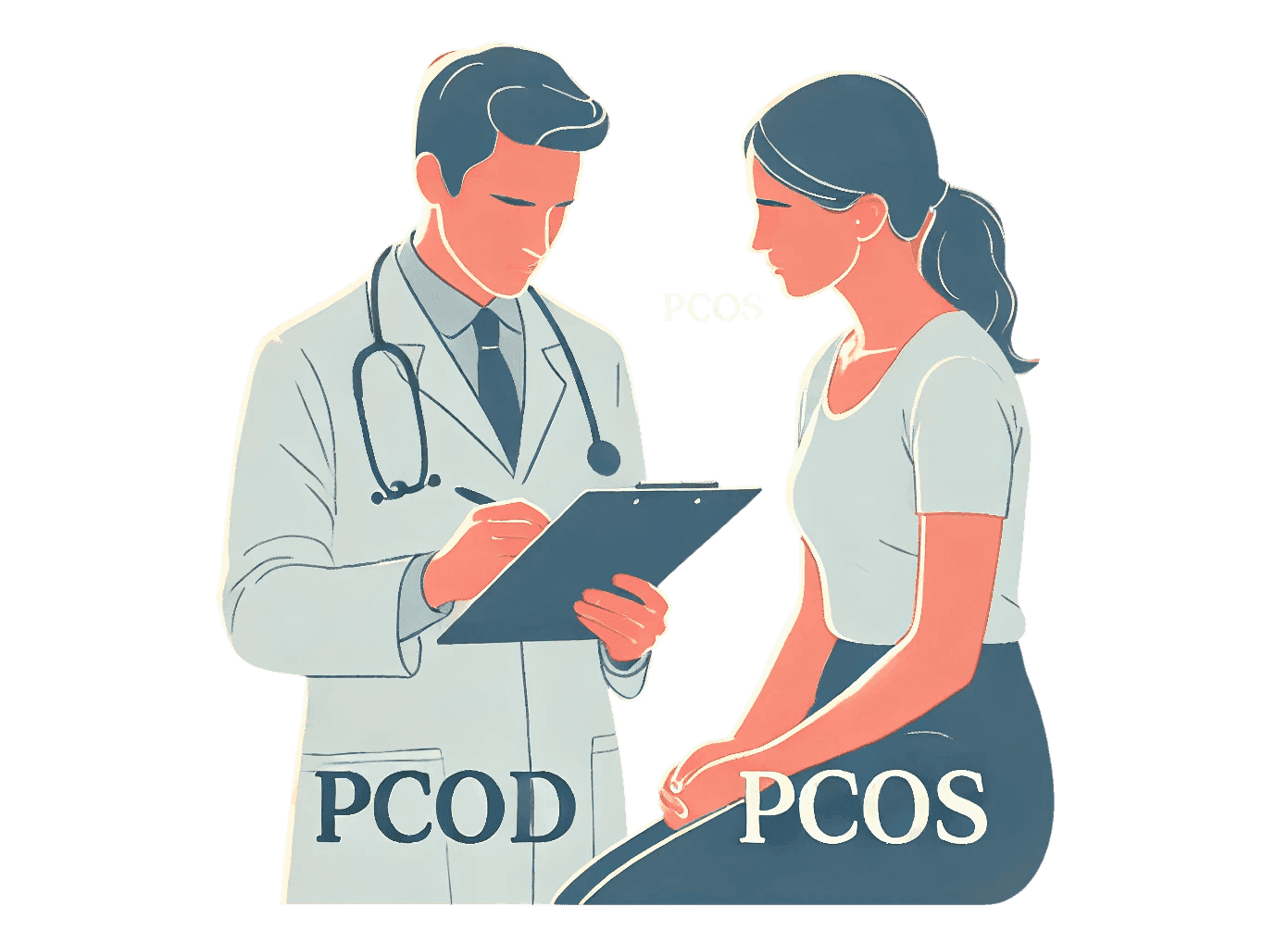
PCOD vs. PCOS: What’s the Difference?
Polycystic Ovarian Disorder (PCOD) and Polycystic Ovarian Syndrome (PCOS) are often used interchangeably, but they are not the same. Both conditions affect the ovaries and are common among women of reproductive age. However, PCOS is a more severe and complex hormonal disorder, while PCOD is a milder condition that can often be managed with lifestyle changes. Understanding the differences between the two can help women take the right steps toward better reproductive and overall health. In this blog, we’ll break down the key differences between PCOD and PCOS, their symptoms, causes, and treatment options. ## **What is PCOD?** PCOD (Polycystic Ovarian Disorder) occurs when a woman's ovaries release immature or partially mature eggs, which eventually turn into cysts. This leads to hormonal imbalances and irregular menstrual cycles. It is a relatively common condition and affects almost 1 in 3 women. However, it is less severe than PCOS and can be managed with diet, exercise, and lifestyle modifications. ## **Symptoms of PCOD:** - Irregular menstrual cycles - Mild weight gain - Acne and oily skin - Hair thinning - Occasional difficulty in conceiving ## **Causes of PCOD:** - Poor lifestyle and eating habits - Excess insulin production - Stress and anxiety - Genetic predisposition ## **What is PCOS?** PCOS (Polycystic Ovarian Syndrome) is a more serious hormonal disorder that affects not just the ovaries but also other body systems. Women with PCOS produce excessive male hormones (androgens), which disrupt ovulation and lead to multiple cysts forming in the ovaries. This can cause long-term complications like type 2 diabetes, infertility, and heart disease. ## **Symptoms of PCOS:** - Irregular or absent periods - Excessive facial and body hair (hirsutism) - Severe acne - Unexplained weight gain, especially around the abdomen - Difficulty in conceiving - Increased risk of diabetes and high blood pressure ## **Causes of PCOS:** - Hormonal imbalance - Insulin resistance - Chronic inflammation - Genetics ## **PCOD vs. PCOS: Key Differences** |Feature |PCOD |PCOS | |-----------|--------|------| |**Nature of Condition** | Hormonal disorder, relatively mild | Metabolic disorder, more severe| |**Ovulation** | Eggs are released irregularly but still ovulate | Ovulation is often absent| |**Fertility** | Women can conceive with some effort |Higher difficulty in conceiving | |**Weight Gain** | Mild weight gain |Significant weight gain, especially around the abdomen| |**Hormonal Imbalance** |Slight imbalance |Higher androgen levels, leading to severe symptoms| |**Treatment**|Lifestyle changes, medications|Lifestyle modifications, medications, fertility treatments if needed| ## **How Can PCOD and PCOS Affect Fertility?** Women with PCOD can still conceive naturally with some minor medical support. However, PCOS can make pregnancy more challenging due to irregular ovulation or lack of ovulation altogether. Women with PCOS often require medical intervention, such as ovulation-inducing medications or assisted reproductive techniques like IVF. ## **Treatment Options for PCOD & PCOS** ## **For PCOD:** - Maintaining a healthy diet and exercise routine - Reducing stress through yoga and meditation - Taking prescribed medications to regulate periods - Avoiding junk food and processed sugar ## **For PCOS:** - Strict weight management - Low-carb, high-protein diet - Medications to regulate hormones and insulin levels - Fertility treatments if trying to conceive - Regular monitoring of blood sugar and cholesterol levels ## **How IVF Pulse Helps Women with PCOD and PCOS** At IVF Pulse, we understand the struggles of managing PCOD and PCOS, especially when it comes to fertility. We provide: - **Expert Consultations:** Get personalized guidance from top fertility specialists. - **Advanced Treatment Plans:** Access the latest in fertility treatments, including IVF, ovulation induction, and hormonal therapy. - **Lifestyle Support:** Diet and exercise recommendations to manage symptoms effectively. - **Emotional Well-being Programs:** Counseling and stress management for better reproductive health. ## **Final Thoughts** While PCOD and PCOS share similarities, PCOS is a more serious condition that requires closer monitoring and medical attention. The good news is that both can be managed with the right lifestyle changes and medical treatments. If you’re struggling with symptoms of PCOD or PCOS, seeking medical advice early can help you take control of your health and fertility. Need expert guidance? Get in touch with IVF Pulse today and take the first step towards better reproductive health!
28 Feb '25|8 min read