Fertility and Religion: Navigating Beliefs
15/01/2025 • 15 min

In the complex and deeply personal journey of fertility, religion often plays a pivotal role, influencing decisions, emotions, and outcomes. The intersection of fertility and religion is a nuanced space where personal beliefs, cultural norms, and spiritual teachings converge. For many individuals and couples, religious beliefs provide a framework for understanding and navigating the challenges and joys of fertility. These beliefs can offer comfort and guidance, but they can also present unique challenges, especially when religious teachings may conflict with modern fertility treatments or when partners hold differing beliefs.
This blog explores the multifaceted relationship between fertility and religion, examining how various faiths perceive fertility and the moral and ethical considerations that arise. It delves into how religious teachings can shape attitudes towards fertility treatments such as in vitro fertilization (IVF), surrogacy, and other assisted reproductive technologies. Additionally, it addresses the experiences of interfaith couples, who may face additional complexities in harmonizing their fertility decisions with their diverse spiritual backgrounds.
By understanding the diverse religious perspectives on fertility, individuals and couples can better navigate their own journeys, finding ways to align their reproductive choices with their spiritual beliefs. This exploration is not only about identifying potential conflicts but also about finding pathways to integrate faith and fertility in a harmonious and fulfilling manner. Through this blog, we aim to provide insights, support, and resources for those seeking to reconcile their faith with their fertility aspirations, ultimately fostering a deeper understanding and respect for the diverse ways in which religion and fertility intersect.
Cultural perspectives on fertility are deeply intertwined with religious beliefs, societal norms, and historical contexts. Across the globe, different cultures have developed unique views and practices surrounding fertility, often reflecting the broader values and priorities of the society. For instance, in many African cultures, fertility is not only a personal or familial matter but a community concern, with childbearing seen as a way to ensure the continuation of the family line and community prosperity. This communal approach often results in societal pressure on individuals to have children, sometimes leading to stigmatization of those who face fertility challenges.
In contrast, Western cultures may place a higher emphasis on individual choice and autonomy in reproductive decisions, influenced by secular values and the availability of advanced fertility treatments. However, even within Western societies, there can be significant cultural variations. For example, certain ethnic communities may hold traditional beliefs that prioritize natural conception and may view assisted reproductive technologies with skepticism.
Asian cultures, particularly in countries like India and China, often view fertility through the lens of family duty and honor. In these societies, producing offspring is not only a personal desire but a filial obligation, deeply rooted in Confucian or Hindu traditions. This can lead to high expectations for couples to conceive, sometimes resulting in significant emotional and social pressure.
Moreover, indigenous cultures around the world often have rich traditions and rituals related to fertility, viewing it as a sacred process that is closely connected to nature and spirituality. These cultural practices can include ceremonies, offerings, and the involvement of spiritual leaders or shamans to bless and support the fertility journey.
Understanding these diverse cultural perspectives is crucial for healthcare providers and those involved in fertility treatments, as it allows for more culturally sensitive care and support. It also highlights the importance of respecting individual beliefs and values in the context of fertility, ensuring that decisions are made in a way that honors both personal desires and cultural heritage.
Religious teachings often play a significant role in shaping individuals' perspectives on fertility and reproductive health. These teachings can influence decisions regarding family planning, the use of assisted reproductive technologies (ART), and the moral and ethical considerations surrounding fertility treatments. Different religions have varied teachings and interpretations regarding fertility, which can sometimes lead to complex decision-making processes for individuals and couples.
In Christianity, for instance, views on fertility and reproductive technologies can vary significantly among different denominations. The Catholic Church traditionally opposes most forms of ART, including in vitro fertilization (IVF), due to beliefs about the sanctity of life and the natural process of conception. However, other Christian denominations may have more permissive views, allowing for the use of certain fertility treatments under specific circumstances.
Islamic teachings also provide guidance on fertility, generally permitting the use of ART as long as it involves the married couple's own genetic material. This perspective is rooted in the belief that procreation is a fundamental aspect of marriage. However, the use of donor sperm or eggs and surrogacy is typically not allowed, as it is seen as a violation of the marital bond.
In Judaism, the approach to fertility and ART can vary among different branches. Orthodox Judaism may have stricter interpretations, often requiring rabbinical consultation for fertility treatments, while Conservative and Reform Judaism might adopt more lenient stances, supporting the use of ART to fulfill the commandment of "be fruitful and multiply."
Hinduism and Buddhism, while not having centralized religious authorities, offer diverse perspectives based on cultural and regional practices. In Hinduism, procreation is often viewed as a duty, and many may seek fertility treatments to fulfill this obligation. Buddhism generally emphasizes the intention behind actions, and as such, fertility treatments may be considered acceptable if they are pursued with compassion and mindfulness.
These religious teachings not only influence personal decisions but also shape the broader discourse on fertility and reproductive health within religious communities. Understanding these teachings can help individuals and couples navigate their fertility journeys in a way that aligns with their faith and personal beliefs.
Navigating the ethical landscape of fertility treatments is a complex endeavor, particularly when religious beliefs are involved. Ethical considerations in fertility treatments often intersect with religious doctrines, raising questions about the moral implications of assisted reproductive technologies (ART). For many, these treatments challenge traditional beliefs about the sanctity of life, the natural order, and the role of divine intervention in procreation.
One of the primary ethical concerns is the status of embryos created during in vitro fertilization (IVF). Different religions have varying views on when life begins, which directly impacts the ethical acceptability of creating, freezing, and potentially discarding embryos. For instance, some Christian denominations believe life begins at conception, making the disposal of unused embryos morally problematic. In contrast, other belief systems may place less emphasis on the embryo's status at this early stage, focusing instead on the potential for life.
Another ethical consideration is the use of third-party reproductive assistance, such as sperm or egg donation and surrogacy. These practices can raise questions about parenthood, lineage, and the child's identity, which may conflict with religious teachings that emphasize biological connections and the sanctity of the marital bond. For example, Islamic teachings generally prohibit third-party involvement in reproduction, viewing it as a violation of the marital contract.
Moreover, the potential for genetic selection and manipulation through ART poses ethical dilemmas. The ability to select embryos based on genetic traits can lead to concerns about "playing God" and the moral implications of choosing certain characteristics over others. This aspect of fertility treatment can be particularly contentious in religious communities that value acceptance of all life as divinely ordained.
Ultimately, navigating these ethical considerations requires a delicate balance between religious beliefs, personal values, and the desire for a family. Couples and individuals often seek guidance from religious leaders, ethicists, and medical professionals to make informed decisions that align with their faith and ethical standards. Open dialogue and education are crucial in helping individuals reconcile their religious beliefs with the possibilities offered by modern fertility treatments.
Navigating fertility decisions can be particularly complex for interfaith couples, where each partner may bring different religious beliefs and cultural practices to the table. These differences can influence decisions about fertility treatments, the use of assisted reproductive technologies (ART), and even the upbringing of children.
For many interfaith couples, the first step is open and honest communication about their individual beliefs and values regarding fertility. This dialogue is crucial in understanding each partner's perspective and finding common ground. Couples may need to explore questions such as: How do their respective religions view fertility treatments like IVF or surrogacy? Are there specific religious rituals or practices that need to be considered in the fertility journey? How will religious beliefs influence decisions about embryo selection, genetic testing, or the use of donor gametes?
In some cases, interfaith couples may seek guidance from religious leaders or counselors who are experienced in interfaith dynamics. These professionals can provide valuable insights and help couples navigate potential conflicts by offering interpretations of religious texts or teachings that are relevant to fertility decisions. Additionally, interfaith support groups can offer a platform for couples to share experiences and strategies for harmonizing their differing beliefs.
Ultimately, the goal for interfaith couples is to create a shared vision for their family that respects and honors both partners' beliefs. This may involve compromises or the creation of new family traditions that blend elements from both faiths. By approaching fertility decisions with empathy, respect, and a willingness to learn from each other's traditions, interfaith couples can build a strong foundation for their future family, ensuring that their journey is both spiritually fulfilling and aligned with their shared values.
The journey of interfaith couples in making fertility decisions is a testament to the power of love and understanding in overcoming religious and cultural differences, paving the way for a harmonious family life that celebrates diversity and inclusivity.
In conclusion, while the path may be challenging, the rewards of successfully navigating these decisions can lead to a richer, more inclusive family experience that honors the unique tapestry of beliefs that each partner brings to the relationship. This journey not only strengthens the bond between partners but also enriches the lives of their future children, who will grow up in a household that values diversity and mutual respect.
Interfaith couples have the opportunity to redefine what family means in a multicultural and multi-faith context, setting an example for others on how to navigate the complex interplay between faith and fertility with grace and understanding.
Navigating the emotional and spiritual complexities of fertility journeys can be a daunting task, especially when religious beliefs are involved. Spiritual support plays a crucial role in providing comfort, guidance, and a sense of community for individuals and couples facing fertility challenges. Many religious communities offer various forms of spiritual support, such as prayer groups, counseling services, and spiritual retreats, which can be invaluable resources for those seeking solace and strength.
For individuals and couples who are deeply rooted in their faith, spiritual support can help bridge the gap between medical interventions and religious beliefs. It offers a space where they can openly discuss their concerns and receive encouragement from others who share similar values. This support can come from religious leaders, who often provide personalized guidance based on religious teachings, or from fellow community members who have experienced similar fertility struggles.
Moreover, spiritual support can also involve rituals and practices that are believed to enhance fertility or bring peace during the treatment process. These might include special prayers, blessings, or ceremonies that are specific to a particular faith tradition. Such practices can provide a sense of hope and purpose, reinforcing the belief that they are not alone in their journey.
In addition to community-based support, many find solace in personal spiritual practices such as meditation, mindfulness, and reflective prayer. These practices can help individuals maintain emotional balance and resilience, which are crucial during the often unpredictable and emotionally taxing fertility treatments.
Ultimately, spiritual support in fertility journeys is about finding a harmonious balance between faith and the desire to build a family. It encourages individuals and couples to explore their beliefs deeply, fostering a supportive environment where they can make informed and compassionate decisions regarding their fertility journey.
In the realm of fertility and religion, real-life experiences often provide the most profound insights into how individuals and couples navigate the complex interplay of faith, medical science, and personal desires. These case studies highlight the diverse ways in which people reconcile their religious beliefs with the challenges and decisions surrounding fertility treatments.
One notable case is that of Sarah and Ahmed, an interfaith couple from the United States. Sarah, a practicing Christian, and Ahmed, a devout Muslim, faced infertility issues early in their marriage. Their journey involved not only medical consultations but also deep discussions about how their respective faiths view assisted reproductive technologies. They decided to pursue IVF after consulting with religious leaders from both communities, who provided guidance on how to align the treatment with their beliefs. This included considerations such as the handling of embryos and the importance of intention and prayer throughout the process.
Another compelling story is of Priya and Raj, a Hindu couple from India, who struggled with infertility for several years. Their faith played a significant role in their decision-making process. They participated in religious rituals and sought blessings from spiritual leaders before opting for fertility treatments. The couple found solace in the belief that their efforts were guided by divine will, which helped them cope with the emotional and physical challenges of the treatment.
In contrast, Emily and John, a couple from a secular background, approached their fertility journey with a focus on scientific and ethical considerations rather than religious ones. However, they found unexpected spiritual support in a community group that included members from various faiths. This experience broadened their perspective and provided emotional support, showing that spirituality can play a role even for those who do not adhere to a specific religion.
These case studies illustrate that while religious beliefs can significantly influence fertility decisions, the personal nature of these journeys means that each couple must find their own path. Whether through direct religious guidance, spiritual support, or a combination of both, the intersection of faith and fertility is deeply personal and varied.
In the intricate dance of faith and fertility, individuals and couples often find themselves at a crossroads, where personal beliefs and medical possibilities intersect. Navigating this intersection requires a delicate balance, one that respects both the sanctity of religious convictions and the advancements of modern science. Harmonizing faith and fertility is not about choosing one over the other, but rather about finding a path that honors both.
For many, this journey involves deep introspection and open dialogue with religious leaders, medical professionals, and loved ones. It is about understanding that faith can offer strength and guidance, while fertility treatments can provide hope and possibilities. The key lies in fostering a supportive environment where questions can be asked freely, and answers are sought with compassion and understanding.
Moreover, as society becomes more diverse, there is a growing recognition of the need for inclusive conversations that respect different religious beliefs and cultural backgrounds. This inclusivity ensures that all individuals feel seen and heard, regardless of their faith or fertility journey. By embracing a holistic approach that considers emotional, spiritual, and physical well-being, couples can make informed decisions that align with their values and aspirations.
Ultimately, harmonizing faith and fertility is a deeply personal journey, one that requires patience, empathy, and a willingness to explore the unknown. It is about creating a narrative that is uniquely one's own, where faith and science coexist, and where the pursuit of parenthood is met with both reverence and resilience. In this journey, there is no one-size-fits-all solution, but there is a shared hope for a future where faith and fertility can flourish together.
How do different religions view fertility treatments like IVF?
Different religions have varied perspectives on fertility treatments. Some may fully support it, others may have specific guidelines, while some may oppose it altogether. It's essential to consult with religious leaders or texts for guidance.
Is it possible to undergo fertility treatments while adhering to religious beliefs?
Yes, many individuals find ways to balance fertility treatments with their religious beliefs by consulting religious leaders and seeking treatments that align with their values.
What are the common religious concerns related to fertility treatments?
Concerns may include the sanctity of life, the moral status of embryos, third-party involvement like sperm or egg donation, and the implications of genetic manipulation.
Can religious beliefs impact the decision-making process in fertility treatments?
Absolutely. Religious beliefs can play a significant role in decisions about whether to pursue treatments, which treatments are acceptable, and how to handle ethical dilemmas.
Are there fertility clinics that specialize in religious sensitivities?
Yes, some clinics tailor their services to accommodate religious beliefs, offering treatments that align with specific religious guidelines.
How can couples navigate conflicts between their fertility desires and religious teachings?
Couples can seek counsel from religious leaders, engage in open communication with each other, and consult with fertility specialists who respect their religious views.
What role do religious leaders play in fertility treatment decisions?
Religious leaders can offer guidance, support, and interpretation of religious doctrines related to fertility treatments, helping couples make informed decisions.
Are there religious support groups for individuals undergoing fertility treatments?
Many religious communities offer support groups where individuals can share experiences, seek advice, and find comfort from others with similar beliefs.
How do religious beliefs influence views on surrogacy and adoption?
Views on surrogacy and adoption vary widely among religions, with some accepting these options more readily than others. It's important to explore religious texts and teachings for specific guidance.
What are some resources for learning about religious perspectives on fertility?
Books, articles, religious texts, and consultations with religious scholars can provide valuable insights into how different religions view fertility and related treatments.
Explore
Fertility and Ayurveda: Can It Help?
Fertility issues are becoming increasingly common, leading many couples to explore both modern medical treatments like IVF (In Vitro Fertilization) and traditional approaches such as Ayurveda. While Ayurveda offers holistic methods to improve reproductive health, can it truly enhance fertility, and how does it compare to IVF? Let’s explore both perspectives to understand their roles in conception. ## **IVF vs. Ayurveda: Understanding the Approaches** **1. IVF – The Proven Scientific Method** IVF is a widely accepted fertility treatment with high success rates. It involves stimulating the ovaries, retrieving eggs, fertilizing them in a lab, and transferring the embryo into the uterus. IVF is particularly beneficial for: - ✔ Women with blocked fallopian tubes or severe PCOS - ✔ Couples with unexplained infertility - ✔ Older women with low ovarian reserve - ✔ Men with low sperm count or motility **2. Ayurveda – A Supportive, Natural Approach** Ayurveda focuses on improving overall reproductive health by balancing the body's energies (doshas), detoxifying, and enhancing nutrition. While it may not directly treat severe infertility cases, it can: - ✔ Improve egg and sperm quality - ✔ Regulate menstrual cycles and ovulation - ✔ Reduce stress and improve hormonal balance - ✔ Complement IVF treatments for better success ## **How Ayurveda Can Support IVF** Instead of viewing Ayurveda and IVF as opposing approaches, many fertility experts recommend integrating them. Here’s how Ayurveda can enhance IVF success: **1. Pre-IVF Body Preparation** - ✔ **Panchakarma Therapy**: Detoxifies the body, preparing it for fertility treatments. - ✔ **Herbs like Ashwagandha & Shatavari**: Help in hormonal regulation and uterine health. **2. During IVF** - ✔ **Dietary Adjustments**: Ayurveda suggests a nutrient-rich diet with warm, fresh foods that support embryo implantation. - ✔ **Yoga & Meditation**: Helps reduce stress, which can improve IVF outcomes. **3. Post-IVF Support** - ✔ **Gentle Lifestyle Changes**: Ayurveda recommends rest, positive mindset, and avoiding processed foods to support pregnancy. ## **Final Verdict: IVF Has the Upper Hand** While Ayurveda can enhance fertility naturally, it cannot replace IVF, especially for couples facing complex infertility issues. However, Ayurveda can be a great complementary approach to boost IVF success rates by improving overall reproductive health. ## **How IVF Pulse Can Help** At IVF Pulse, we believe in a holistic approach to fertility. Whether you’re considering IVF or looking for natural ways to enhance reproductive health, our experts provide guidance tailored to your journey. 📞 Contact us today to explore the best fertility treatment options!
10 Mar '25|8 min read
Is Infertility on the Rise? What the Data Says
Infertility has become a growing concern worldwide, with more couples struggling to conceive than ever before. But is infertility really on the rise, or are we just more aware of it now? Let’s explore the data, potential causes, and what can be done to address this issue. ## **Understanding Infertility Trends** Infertility is defined as the inability to conceive after one year of unprotected intercourse. According to the World Health Organization (WHO), nearly 1 in 6 couples worldwide experience infertility at some point in their lives. Several studies and reports indicate that infertility rates have increased over the past few decades. ## **Key Statistics on Infertility** - A 2023 WHO report estimated that 17.5% of the global adult population is affected by infertility. - In India, infertility rates have doubled in the last two decades, with 10-15% of couples facing fertility issues. - A study published in The Lancet found that male fertility has declined by over 50% in the last 40 years. ## **Why Are Infertility Rates Increasing?** Several factors contribute to the rising infertility rates, including lifestyle changes, environmental factors, and medical conditions. ## **1. Lifestyle Factors** - **Delayed Childbearing:** More people are choosing to have children later in life, but fertility declines with age. - **Unhealthy Diets:** Processed foods, excessive sugar, and lack of nutrients can impact reproductive health. - **Obesity & Weight Issues:** Both underweight and overweight individuals may experience hormonal imbalances affecting fertility. - **Smoking & Alcohol Consumption:** Studies show that tobacco and alcohol use can lower fertility in both men and women. ## **2. Environmental Factors** - **Pollution & Toxins:** Air pollution, pesticides, and endocrine-disrupting chemicals in plastics affect reproductive health. - **Radiation & EMFs:** Increased exposure to mobile phone radiation and other electromagnetic fields may contribute to declining sperm and egg quality. ## **3. Medical Conditions** **PCOS & Endometriosis:** These conditions are major causes of infertility in women. **Diabetes & Thyroid Disorders:** Hormonal imbalances can disrupt ovulation and sperm production. **Genetic Factors:** Some people may have inherited conditions that affect fertility. What Can Be Done to Improve Fertility? ## **While some causes of infertility are beyond our control, several steps can help improve fertility chances:** - **Maintain a Healthy Diet:** Eat a balanced diet rich in antioxidants, vitamins, and minerals. - **Exercise Regularly:** Moderate physical activity helps maintain a healthy weight and hormone balance. - **Reduce Stress:** Chronic stress can impact reproductive hormones. Yoga, meditation, and counseling may help. - **Limit Exposure to Toxins:** Avoid plastics, pesticides, and other harmful chemicals. - **Seek Medical Help Early:** If you’re struggling to conceive, consult a fertility specialist for guidance. ## **How IVF Pulse Helps** At IVF Pulse, we provide expert guidance, fertility treatments, and resources to help couples navigate their fertility journey. Our specialists use advanced diagnostics and personalized treatment plans to maximize success rates. Whether you're exploring IVF or other fertility solutions, we’re here to support you every step of the way. ## **Final Thoughts** Infertility is a growing issue, but understanding the causes and taking proactive steps can improve the chances of conception. If you or someone you know is struggling with fertility, remember that help is available, and options like IVF can make parenthood possible.
03 Mar '25|8 min read

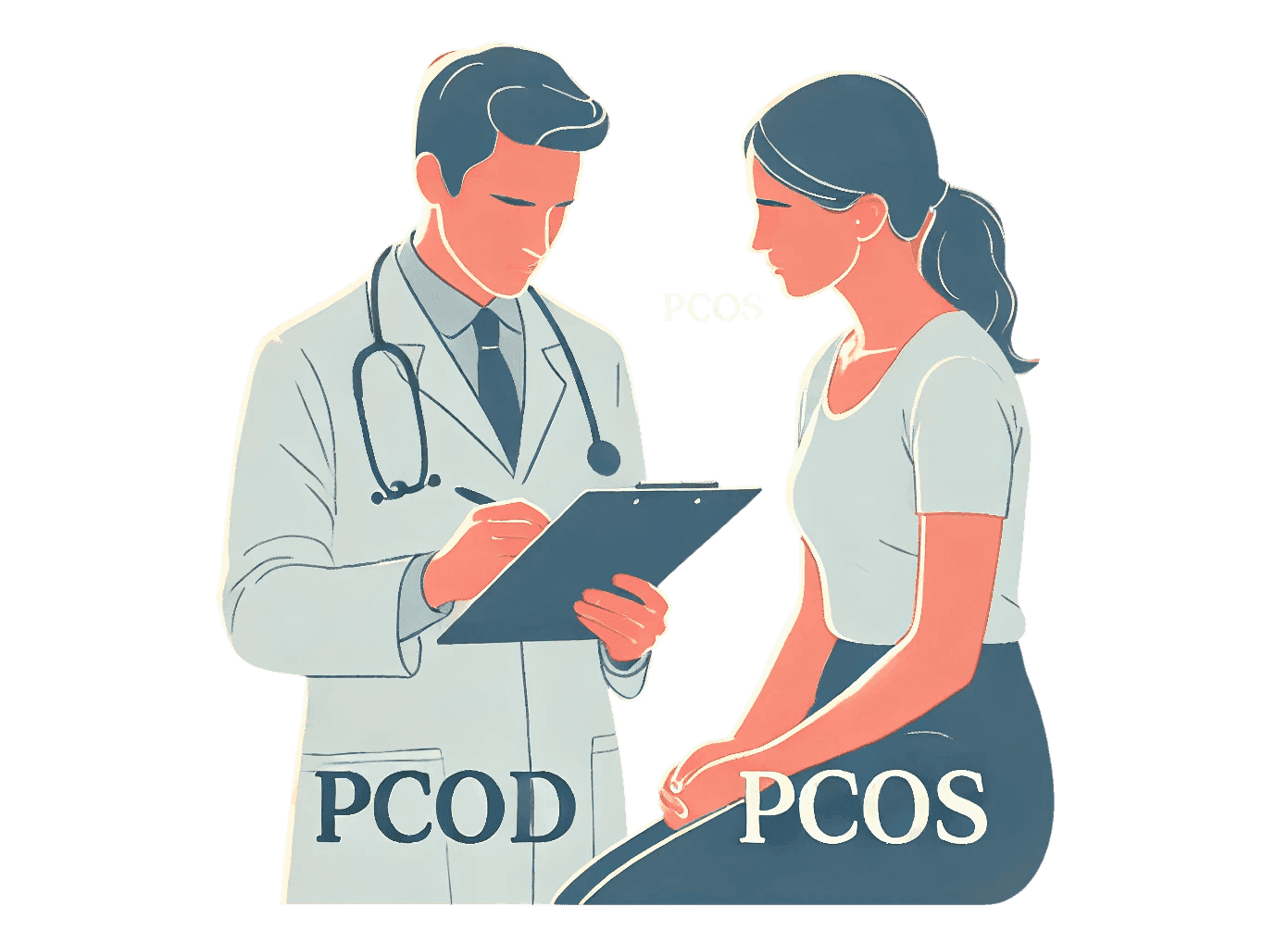
PCOD vs. PCOS: What’s the Difference?
Polycystic Ovarian Disorder (PCOD) and Polycystic Ovarian Syndrome (PCOS) are often used interchangeably, but they are not the same. Both conditions affect the ovaries and are common among women of reproductive age. However, PCOS is a more severe and complex hormonal disorder, while PCOD is a milder condition that can often be managed with lifestyle changes. Understanding the differences between the two can help women take the right steps toward better reproductive and overall health. In this blog, we’ll break down the key differences between PCOD and PCOS, their symptoms, causes, and treatment options. ## **What is PCOD?** PCOD (Polycystic Ovarian Disorder) occurs when a woman's ovaries release immature or partially mature eggs, which eventually turn into cysts. This leads to hormonal imbalances and irregular menstrual cycles. It is a relatively common condition and affects almost 1 in 3 women. However, it is less severe than PCOS and can be managed with diet, exercise, and lifestyle modifications. ## **Symptoms of PCOD:** - Irregular menstrual cycles - Mild weight gain - Acne and oily skin - Hair thinning - Occasional difficulty in conceiving ## **Causes of PCOD:** - Poor lifestyle and eating habits - Excess insulin production - Stress and anxiety - Genetic predisposition ## **What is PCOS?** PCOS (Polycystic Ovarian Syndrome) is a more serious hormonal disorder that affects not just the ovaries but also other body systems. Women with PCOS produce excessive male hormones (androgens), which disrupt ovulation and lead to multiple cysts forming in the ovaries. This can cause long-term complications like type 2 diabetes, infertility, and heart disease. ## **Symptoms of PCOS:** - Irregular or absent periods - Excessive facial and body hair (hirsutism) - Severe acne - Unexplained weight gain, especially around the abdomen - Difficulty in conceiving - Increased risk of diabetes and high blood pressure ## **Causes of PCOS:** - Hormonal imbalance - Insulin resistance - Chronic inflammation - Genetics ## **PCOD vs. PCOS: Key Differences** |Feature |PCOD |PCOS | |-----------|--------|------| |**Nature of Condition** | Hormonal disorder, relatively mild | Metabolic disorder, more severe| |**Ovulation** | Eggs are released irregularly but still ovulate | Ovulation is often absent| |**Fertility** | Women can conceive with some effort |Higher difficulty in conceiving | |**Weight Gain** | Mild weight gain |Significant weight gain, especially around the abdomen| |**Hormonal Imbalance** |Slight imbalance |Higher androgen levels, leading to severe symptoms| |**Treatment**|Lifestyle changes, medications|Lifestyle modifications, medications, fertility treatments if needed| ## **How Can PCOD and PCOS Affect Fertility?** Women with PCOD can still conceive naturally with some minor medical support. However, PCOS can make pregnancy more challenging due to irregular ovulation or lack of ovulation altogether. Women with PCOS often require medical intervention, such as ovulation-inducing medications or assisted reproductive techniques like IVF. ## **Treatment Options for PCOD & PCOS** ## **For PCOD:** - Maintaining a healthy diet and exercise routine - Reducing stress through yoga and meditation - Taking prescribed medications to regulate periods - Avoiding junk food and processed sugar ## **For PCOS:** - Strict weight management - Low-carb, high-protein diet - Medications to regulate hormones and insulin levels - Fertility treatments if trying to conceive - Regular monitoring of blood sugar and cholesterol levels ## **How IVF Pulse Helps Women with PCOD and PCOS** At IVF Pulse, we understand the struggles of managing PCOD and PCOS, especially when it comes to fertility. We provide: - **Expert Consultations:** Get personalized guidance from top fertility specialists. - **Advanced Treatment Plans:** Access the latest in fertility treatments, including IVF, ovulation induction, and hormonal therapy. - **Lifestyle Support:** Diet and exercise recommendations to manage symptoms effectively. - **Emotional Well-being Programs:** Counseling and stress management for better reproductive health. ## **Final Thoughts** While PCOD and PCOS share similarities, PCOS is a more serious condition that requires closer monitoring and medical attention. The good news is that both can be managed with the right lifestyle changes and medical treatments. If you’re struggling with symptoms of PCOD or PCOS, seeking medical advice early can help you take control of your health and fertility. Need expert guidance? Get in touch with IVF Pulse today and take the first step towards better reproductive health!
28 Feb '25|8 min read