Effects of Steroid Use on Fertility
05/03/2024 • 10 min

Steroids, particularly anabolic steroids, have become increasingly popular among individuals seeking to enhance physical performance and appearance. However, their use is not without consequences, especially when it comes to fertility. Anabolic steroids are synthetic derivatives of testosterone, the male sex hormone, and are often used to promote muscle growth and improve athletic performance. Despite their benefits in these areas, steroids can have significant adverse effects on the reproductive system for both men and women.
The relationship between steroid use and fertility is complex and multifaceted. Steroids can disrupt the natural hormonal balance in the body, leading to a range of reproductive issues. In men, excessive use of anabolic steroids can lead to a decrease in sperm production, reduced sperm quality, and even testicular atrophy. For women, steroid use can result in menstrual irregularities, changes in ovulation, and potential impacts on long-term fertility.
Understanding the implications of steroid use on fertility is crucial for anyone considering these substances for performance enhancement. It is essential to weigh the potential benefits against the risks, particularly for individuals who are planning to start a family in the future. This blog will explore the various ways in which steroid use can affect fertility, providing a comprehensive overview of the topic to help readers make informed decisions about their health and well-being.
Anabolic steroids, also known as anabolic-androgenic steroids (AAS), are synthetic derivatives of testosterone, the primary male sex hormone. They are designed to mimic the effects of testosterone in the body, promoting muscle growth and enhancing physical performance. While these substances can be legally prescribed for certain medical conditions, such as delayed puberty and muscle-wasting diseases, their non-medical use is prevalent among athletes and bodybuilders aiming to improve their physique and performance.
The mechanism by which anabolic steroids exert their effects involves binding to androgen receptors in muscle cells, which stimulates protein synthesis and leads to increased muscle mass and strength. However, this process also disrupts the body's natural hormonal balance. The exogenous introduction of anabolic steroids causes the body to reduce or cease its own production of testosterone, leading to a cascade of physiological changes.
One of the most significant concerns regarding anabolic steroid use is its impact on fertility. In males, the suppression of natural testosterone production can lead to decreased sperm production, reduced sperm quality, and ultimately, infertility. This occurs because the hypothalamic-pituitary-gonadal (HPG) axis, which regulates testosterone production and spermatogenesis, is disrupted. In females, anabolic steroids can cause menstrual irregularities, ovarian dysfunction, and changes in secondary sexual characteristics, all of which can impair fertility.
Moreover, the use of anabolic steroids is associated with a range of adverse health effects beyond fertility issues. These include cardiovascular problems, liver damage, psychiatric disorders, and an increased risk of certain cancers. Given these risks, it is crucial for individuals considering steroid use to weigh the potential benefits against the significant health consequences, particularly in relation to fertility and reproductive health.
The use of steroids, particularly anabolic steroids, has been a topic of concern when it comes to male fertility. Anabolic steroids are synthetic derivatives of testosterone, and they are often used to enhance muscle mass and athletic performance. However, their impact on male fertility is profound and multifaceted.
When men use anabolic steroids, they introduce an excess of synthetic testosterone into their bodies. This influx of testosterone can disrupt the natural hormonal balance, leading to a decrease in the production of luteinizing hormone (LH) and follicle-stimulating hormone (FSH) by the pituitary gland. These hormones are crucial for stimulating the testes to produce sperm. Consequently, the suppression of LH and FSH can result in a significant reduction in sperm production, a condition known as oligospermia, or even complete absence of sperm, known as azoospermia.
Moreover, prolonged steroid use can lead to testicular atrophy, where the testes shrink in size due to the lack of natural testosterone production and sperm generation. This condition not only affects fertility but can also lead to a decrease in testicular function over time.
Another concerning aspect is the potential for genetic damage to sperm. Some studies suggest that steroid use may lead to increased DNA fragmentation in sperm, which can affect the quality of sperm and potentially lead to issues with conception or increased risk of miscarriage.
It is also important to note that the effects of steroid use on fertility are not always reversible. While some men may experience a return to normal sperm production after discontinuing steroid use, others may suffer long-term or even permanent infertility issues. The duration and dosage of steroid use, as well as individual health factors, play a significant role in determining the extent of these effects.
Men considering or currently using steroids should be aware of these potential risks and consider consulting with a healthcare professional to discuss their fertility goals and potential alternatives to steroid use.
Steroid use, particularly anabolic steroids, can have profound effects on female fertility. Anabolic steroids are synthetic derivatives of testosterone, and while they are often associated with male users, they are increasingly being used by women for bodybuilding and athletic performance enhancement. However, the impact of these substances on the female reproductive system can be severe and multifaceted.
One of the primary effects of anabolic steroid use in women is the disruption of the menstrual cycle. Steroids can interfere with the normal hormonal balance necessary for ovulation and menstruation. This disruption can lead to irregular periods or even amenorrhea, which is the absence of menstruation. Without regular ovulation, the chances of conception are significantly reduced.
Moreover, anabolic steroids can cause changes in the ovaries themselves. Long-term use may lead to ovarian cysts and other structural changes that can impair fertility. The hormonal imbalance caused by steroids can also affect the endometrial lining, making it less receptive to a fertilized egg, thus reducing the likelihood of successful implantation.
In addition to these physiological effects, steroid use can also lead to psychological changes that indirectly affect fertility. Women may experience mood swings, increased aggression, and other mental health issues that can impact relationships and the desire or ability to conceive.
Furthermore, the use of steroids can have long-term consequences even after cessation. It may take months or even years for the menstrual cycle to normalize after stopping steroid use, and some women may experience permanent changes in their fertility status.
Given these significant risks, it is crucial for women to weigh the potential impacts on fertility when considering steroid use. Consulting with a healthcare provider can provide personalized advice and help in exploring safer alternatives for achieving fitness and performance goals without compromising reproductive health.
From a medical perspective, steroid-induced infertility is a significant concern due to the profound impact that steroids, particularly anabolic steroids, can have on the body's hormonal balance. Anabolic steroids are synthetic derivatives of testosterone, and when introduced into the body, they can disrupt the natural production of hormones. This disruption is primarily due to the feedback mechanism in the hypothalamic-pituitary-gonadal (HPG) axis, which regulates the production of sex hormones.
In males, the use of anabolic steroids can lead to a decrease in the production of endogenous testosterone. This occurs because the external supply of steroids signals the hypothalamus and pituitary gland to reduce or stop the production of gonadotropins, which are necessary for stimulating the testes to produce testosterone. As a result, this can lead to testicular atrophy, reduced sperm production, and ultimately infertility. The condition known as "steroid-induced hypogonadism" is a direct consequence of this hormonal imbalance, characterized by low testosterone levels and impaired spermatogenesis.
For females, the use of steroids can also disrupt the menstrual cycle and ovulation. Anabolic steroids can cause an increase in androgens, leading to a condition known as "hyperandrogenism," which can result in irregular menstrual cycles, anovulation (lack of ovulation), and infertility. Moreover, prolonged steroid use can lead to the development of polycystic ovary syndrome (PCOS)-like symptoms, further complicating fertility.
From a clinical standpoint, diagnosing steroid-induced infertility involves a thorough medical history and examination, including hormone level assessments. Treatment often requires cessation of steroid use, which may allow the body's natural hormonal balance to gradually restore. In some cases, medical interventions such as hormone therapy may be necessary to stimulate the recovery of normal reproductive function.
Ultimately, understanding the medical implications of steroid use is crucial for individuals considering or currently using these substances, especially those concerned about their fertility. Medical professionals play a key role in educating patients about the potential risks and guiding them towards safer alternatives that align with both their fitness goals and reproductive health.
In conclusion, navigating the complex relationship between fitness goals and fertility health requires a nuanced understanding of the potential impacts of steroid use. While anabolic steroids can offer significant enhancements in muscle mass and athletic performance, their use is not without substantial risks, particularly concerning fertility. For individuals who prioritize both fitness and reproductive health, it is crucial to weigh these risks carefully.
Engaging in open dialogues with healthcare professionals can provide personalized insights and guidance, helping to align fitness aspirations with long-term health objectives. Moreover, exploring natural alternatives to steroids, such as optimized nutrition, structured training programs, and legal supplements, can support fitness goals without compromising fertility.
Ultimately, achieving a balance between fitness ambitions and fertility health is about making informed choices that reflect both immediate desires and future aspirations. This balance ensures that individuals can pursue their fitness goals while safeguarding their reproductive health, leading to a more holistic approach to personal well-being.
What are steroids, and how are they classified?
Steroids are a class of synthetic drugs that mimic the effects of hormones in the body. They are classified into two main types: corticosteroids, used to reduce inflammation, and anabolic steroids, used to build muscle mass.
How do anabolic steroids affect male fertility?
Anabolic steroids can negatively impact male fertility by reducing sperm production, shrinking testicles, and decreasing natural testosterone levels, leading to infertility issues.
What are the effects of steroid use on female fertility?
In females, steroid use can disrupt the menstrual cycle, lead to the development of masculine features, and potentially cause infertility by affecting ovulation.
Are the fertility effects of steroid use reversible?
The reversibility of fertility effects depends on the duration and dosage of steroid use. Some individuals may experience a return to normal fertility levels after discontinuing use, while others may suffer long-term effects.
Can using steroids during pregnancy affect the unborn child?
Yes, using steroids during pregnancy can harm the unborn child, potentially leading to birth defects, low birth weight, and developmental issues.
How long after stopping steroid use can fertility return to normal?
Fertility may return to normal within a few months to a year after stopping steroid use, but this varies among individuals and depends on several factors, including the duration of use.
Are there safe alternatives to steroids for those concerned about fertility?
Yes, alternatives such as natural supplements, proper nutrition, and exercise can help achieve fitness goals without compromising fertility.
What medical treatments are available for steroid-induced infertility?
Treatments may include hormone therapy, lifestyle changes, and in some cases, assisted reproductive technologies like IVF may be recommended to address infertility issues caused by steroid use.
Can long-term steroid use lead to permanent infertility?
Long-term use of high doses of anabolic steroids may lead to permanent infertility in some individuals, particularly if underlying health conditions are present.
How can one assess the impact of steroid use on their fertility?
Consulting with a healthcare professional or fertility specialist can provide assessments such as hormone level testing and semen analysis to determine the impact of steroid use on fertility.
Explore
Fertility and Ayurveda: Can It Help?
Fertility issues are becoming increasingly common, leading many couples to explore both modern medical treatments like IVF (In Vitro Fertilization) and traditional approaches such as Ayurveda. While Ayurveda offers holistic methods to improve reproductive health, can it truly enhance fertility, and how does it compare to IVF? Let’s explore both perspectives to understand their roles in conception. ## **IVF vs. Ayurveda: Understanding the Approaches** **1. IVF – The Proven Scientific Method** IVF is a widely accepted fertility treatment with high success rates. It involves stimulating the ovaries, retrieving eggs, fertilizing them in a lab, and transferring the embryo into the uterus. IVF is particularly beneficial for: - ✔ Women with blocked fallopian tubes or severe PCOS - ✔ Couples with unexplained infertility - ✔ Older women with low ovarian reserve - ✔ Men with low sperm count or motility **2. Ayurveda – A Supportive, Natural Approach** Ayurveda focuses on improving overall reproductive health by balancing the body's energies (doshas), detoxifying, and enhancing nutrition. While it may not directly treat severe infertility cases, it can: - ✔ Improve egg and sperm quality - ✔ Regulate menstrual cycles and ovulation - ✔ Reduce stress and improve hormonal balance - ✔ Complement IVF treatments for better success ## **How Ayurveda Can Support IVF** Instead of viewing Ayurveda and IVF as opposing approaches, many fertility experts recommend integrating them. Here’s how Ayurveda can enhance IVF success: **1. Pre-IVF Body Preparation** - ✔ **Panchakarma Therapy**: Detoxifies the body, preparing it for fertility treatments. - ✔ **Herbs like Ashwagandha & Shatavari**: Help in hormonal regulation and uterine health. **2. During IVF** - ✔ **Dietary Adjustments**: Ayurveda suggests a nutrient-rich diet with warm, fresh foods that support embryo implantation. - ✔ **Yoga & Meditation**: Helps reduce stress, which can improve IVF outcomes. **3. Post-IVF Support** - ✔ **Gentle Lifestyle Changes**: Ayurveda recommends rest, positive mindset, and avoiding processed foods to support pregnancy. ## **Final Verdict: IVF Has the Upper Hand** While Ayurveda can enhance fertility naturally, it cannot replace IVF, especially for couples facing complex infertility issues. However, Ayurveda can be a great complementary approach to boost IVF success rates by improving overall reproductive health. ## **How IVF Pulse Can Help** At IVF Pulse, we believe in a holistic approach to fertility. Whether you’re considering IVF or looking for natural ways to enhance reproductive health, our experts provide guidance tailored to your journey. 📞 Contact us today to explore the best fertility treatment options!
10 Mar '25|8 min read
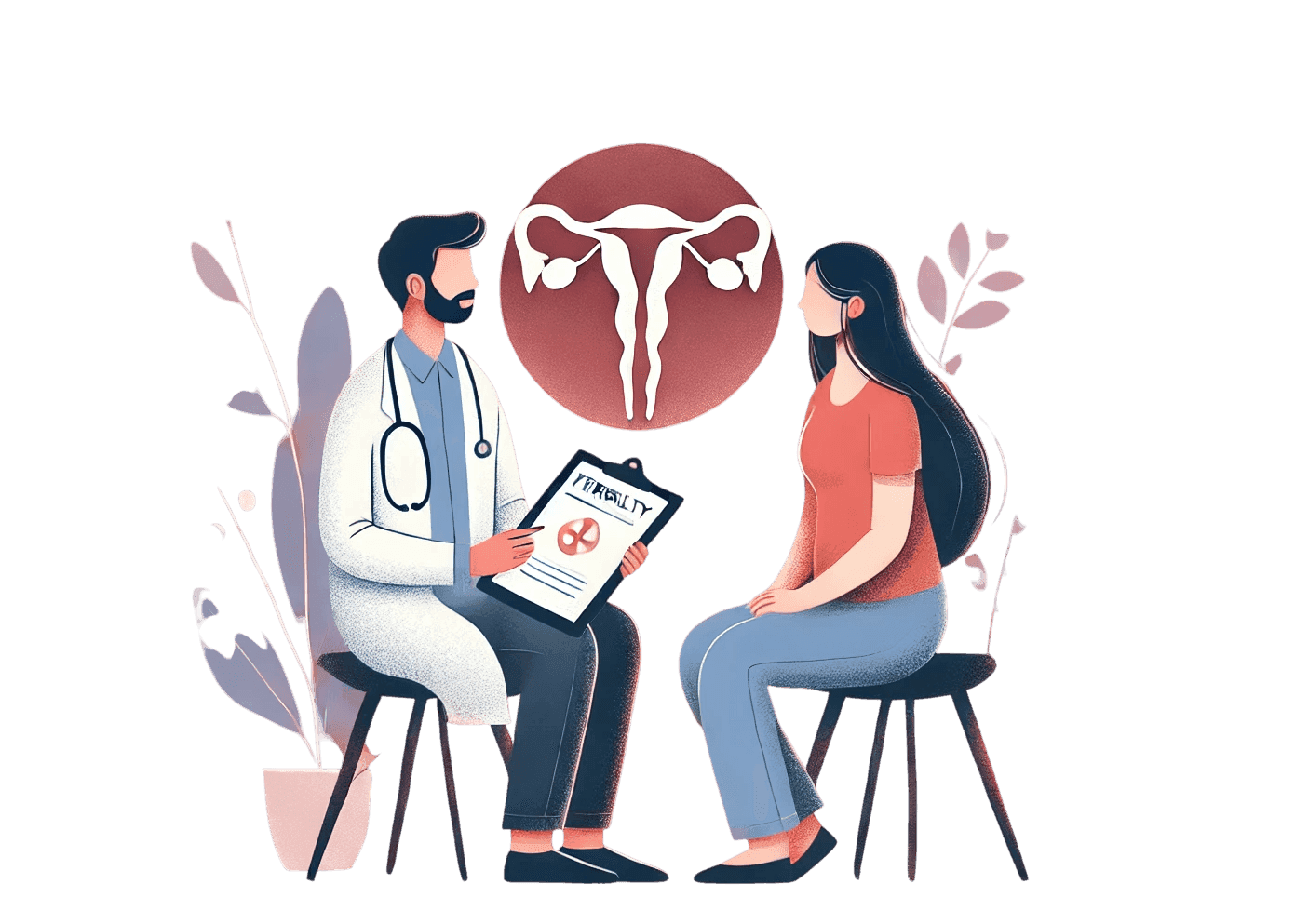
Is Infertility on the Rise? What the Data Says
Infertility has become a growing concern worldwide, with more couples struggling to conceive than ever before. But is infertility really on the rise, or are we just more aware of it now? Let’s explore the data, potential causes, and what can be done to address this issue. ## **Understanding Infertility Trends** Infertility is defined as the inability to conceive after one year of unprotected intercourse. According to the World Health Organization (WHO), nearly 1 in 6 couples worldwide experience infertility at some point in their lives. Several studies and reports indicate that infertility rates have increased over the past few decades. ## **Key Statistics on Infertility** - A 2023 WHO report estimated that 17.5% of the global adult population is affected by infertility. - In India, infertility rates have doubled in the last two decades, with 10-15% of couples facing fertility issues. - A study published in The Lancet found that male fertility has declined by over 50% in the last 40 years. ## **Why Are Infertility Rates Increasing?** Several factors contribute to the rising infertility rates, including lifestyle changes, environmental factors, and medical conditions. ## **1. Lifestyle Factors** - **Delayed Childbearing:** More people are choosing to have children later in life, but fertility declines with age. - **Unhealthy Diets:** Processed foods, excessive sugar, and lack of nutrients can impact reproductive health. - **Obesity & Weight Issues:** Both underweight and overweight individuals may experience hormonal imbalances affecting fertility. - **Smoking & Alcohol Consumption:** Studies show that tobacco and alcohol use can lower fertility in both men and women. ## **2. Environmental Factors** - **Pollution & Toxins:** Air pollution, pesticides, and endocrine-disrupting chemicals in plastics affect reproductive health. - **Radiation & EMFs:** Increased exposure to mobile phone radiation and other electromagnetic fields may contribute to declining sperm and egg quality. ## **3. Medical Conditions** **PCOS & Endometriosis:** These conditions are major causes of infertility in women. **Diabetes & Thyroid Disorders:** Hormonal imbalances can disrupt ovulation and sperm production. **Genetic Factors:** Some people may have inherited conditions that affect fertility. What Can Be Done to Improve Fertility? ## **While some causes of infertility are beyond our control, several steps can help improve fertility chances:** - **Maintain a Healthy Diet:** Eat a balanced diet rich in antioxidants, vitamins, and minerals. - **Exercise Regularly:** Moderate physical activity helps maintain a healthy weight and hormone balance. - **Reduce Stress:** Chronic stress can impact reproductive hormones. Yoga, meditation, and counseling may help. - **Limit Exposure to Toxins:** Avoid plastics, pesticides, and other harmful chemicals. - **Seek Medical Help Early:** If you’re struggling to conceive, consult a fertility specialist for guidance. ## **How IVF Pulse Helps** At IVF Pulse, we provide expert guidance, fertility treatments, and resources to help couples navigate their fertility journey. Our specialists use advanced diagnostics and personalized treatment plans to maximize success rates. Whether you're exploring IVF or other fertility solutions, we’re here to support you every step of the way. ## **Final Thoughts** Infertility is a growing issue, but understanding the causes and taking proactive steps can improve the chances of conception. If you or someone you know is struggling with fertility, remember that help is available, and options like IVF can make parenthood possible.
03 Mar '25|8 min read
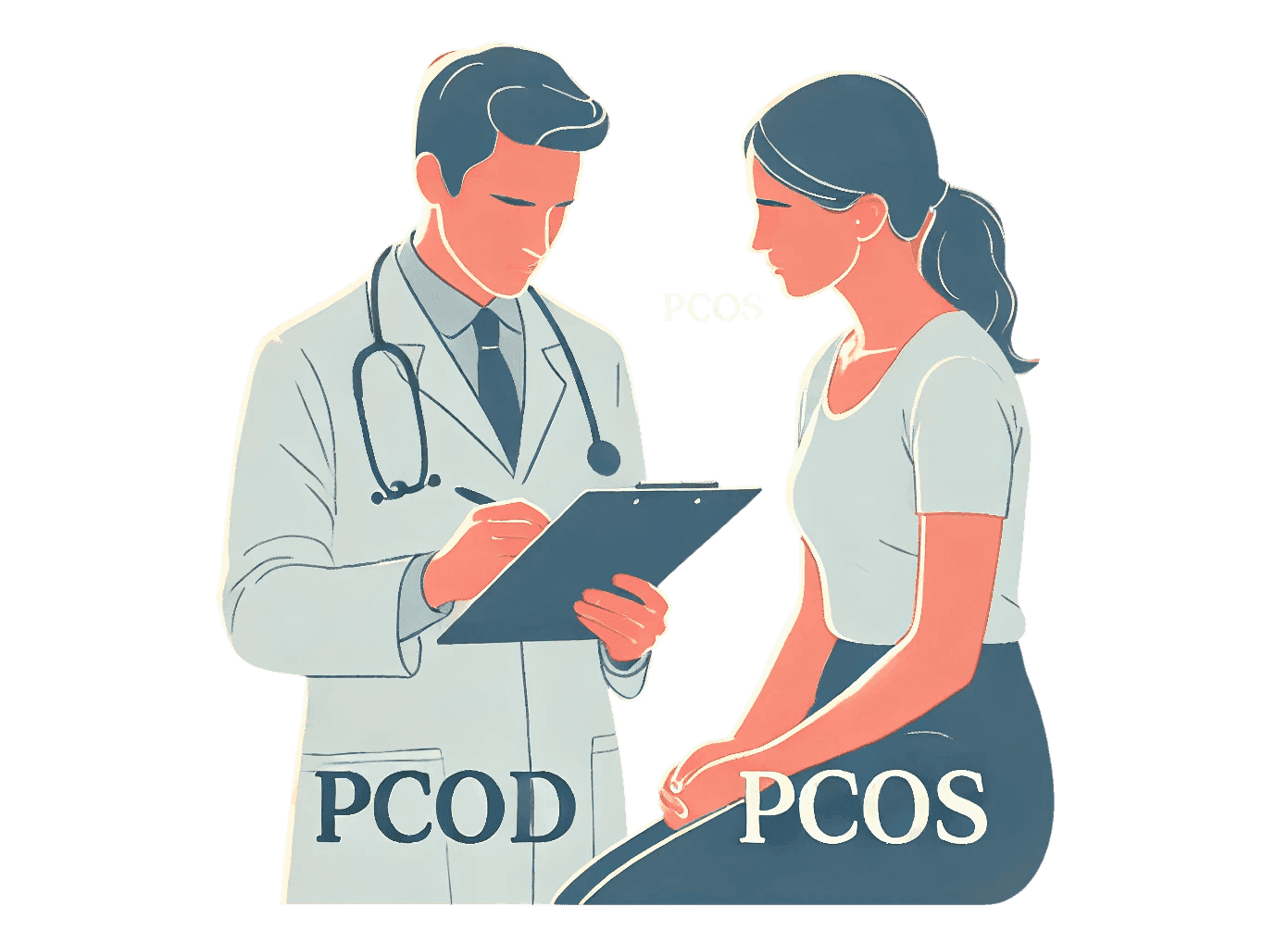
PCOD vs. PCOS: What’s the Difference?
Polycystic Ovarian Disorder (PCOD) and Polycystic Ovarian Syndrome (PCOS) are often used interchangeably, but they are not the same. Both conditions affect the ovaries and are common among women of reproductive age. However, PCOS is a more severe and complex hormonal disorder, while PCOD is a milder condition that can often be managed with lifestyle changes. Understanding the differences between the two can help women take the right steps toward better reproductive and overall health. In this blog, we’ll break down the key differences between PCOD and PCOS, their symptoms, causes, and treatment options. ## **What is PCOD?** PCOD (Polycystic Ovarian Disorder) occurs when a woman's ovaries release immature or partially mature eggs, which eventually turn into cysts. This leads to hormonal imbalances and irregular menstrual cycles. It is a relatively common condition and affects almost 1 in 3 women. However, it is less severe than PCOS and can be managed with diet, exercise, and lifestyle modifications. ## **Symptoms of PCOD:** - Irregular menstrual cycles - Mild weight gain - Acne and oily skin - Hair thinning - Occasional difficulty in conceiving ## **Causes of PCOD:** - Poor lifestyle and eating habits - Excess insulin production - Stress and anxiety - Genetic predisposition ## **What is PCOS?** PCOS (Polycystic Ovarian Syndrome) is a more serious hormonal disorder that affects not just the ovaries but also other body systems. Women with PCOS produce excessive male hormones (androgens), which disrupt ovulation and lead to multiple cysts forming in the ovaries. This can cause long-term complications like type 2 diabetes, infertility, and heart disease. ## **Symptoms of PCOS:** - Irregular or absent periods - Excessive facial and body hair (hirsutism) - Severe acne - Unexplained weight gain, especially around the abdomen - Difficulty in conceiving - Increased risk of diabetes and high blood pressure ## **Causes of PCOS:** - Hormonal imbalance - Insulin resistance - Chronic inflammation - Genetics ## **PCOD vs. PCOS: Key Differences** |Feature |PCOD |PCOS | |-----------|--------|------| |**Nature of Condition** | Hormonal disorder, relatively mild | Metabolic disorder, more severe| |**Ovulation** | Eggs are released irregularly but still ovulate | Ovulation is often absent| |**Fertility** | Women can conceive with some effort |Higher difficulty in conceiving | |**Weight Gain** | Mild weight gain |Significant weight gain, especially around the abdomen| |**Hormonal Imbalance** |Slight imbalance |Higher androgen levels, leading to severe symptoms| |**Treatment**|Lifestyle changes, medications|Lifestyle modifications, medications, fertility treatments if needed| ## **How Can PCOD and PCOS Affect Fertility?** Women with PCOD can still conceive naturally with some minor medical support. However, PCOS can make pregnancy more challenging due to irregular ovulation or lack of ovulation altogether. Women with PCOS often require medical intervention, such as ovulation-inducing medications or assisted reproductive techniques like IVF. ## **Treatment Options for PCOD & PCOS** ## **For PCOD:** - Maintaining a healthy diet and exercise routine - Reducing stress through yoga and meditation - Taking prescribed medications to regulate periods - Avoiding junk food and processed sugar ## **For PCOS:** - Strict weight management - Low-carb, high-protein diet - Medications to regulate hormones and insulin levels - Fertility treatments if trying to conceive - Regular monitoring of blood sugar and cholesterol levels ## **How IVF Pulse Helps Women with PCOD and PCOS** At IVF Pulse, we understand the struggles of managing PCOD and PCOS, especially when it comes to fertility. We provide: - **Expert Consultations:** Get personalized guidance from top fertility specialists. - **Advanced Treatment Plans:** Access the latest in fertility treatments, including IVF, ovulation induction, and hormonal therapy. - **Lifestyle Support:** Diet and exercise recommendations to manage symptoms effectively. - **Emotional Well-being Programs:** Counseling and stress management for better reproductive health. ## **Final Thoughts** While PCOD and PCOS share similarities, PCOS is a more serious condition that requires closer monitoring and medical attention. The good news is that both can be managed with the right lifestyle changes and medical treatments. If you’re struggling with symptoms of PCOD or PCOS, seeking medical advice early can help you take control of your health and fertility. Need expert guidance? Get in touch with IVF Pulse today and take the first step towards better reproductive health!
28 Feb '25|8 min read