Boosting Sperm Quality: Top Foods You Should Include in Your Diet
22/07/2022 • 8 min

Incorporating Indian superfoods into your diet can significantly enhance sperm quality, offering a natural and effective approach to fertility. India is rich in diverse foods that are not only delicious but also packed with nutrients essential for reproductive health. One such superfood is Ashwagandha, an ancient herb known for its stress-reducing properties and ability to boost testosterone levels, thereby improving sperm count and motility.
Another powerhouse is Amla, or Indian gooseberry, which is loaded with vitamin C and antioxidants, aiding in the protection of sperm cells from oxidative stress. Adding almonds and walnuts to your daily diet can also be beneficial, as they are rich in omega-3 fatty acids and vitamin E, which play a crucial role in enhancing sperm vitality and morphology.
Don't forget to include turmeric in your meals; its active compound, curcumin, is known for its anti-inflammatory properties, promoting overall sperm health. Embracing these Indian superfoods can be a flavorful journey towards better sperm quality.
To enhance sperm quality, dietary changes play a pivotal role. For Indian men looking to improve their reproductive health, incorporating certain foods into their daily diet can make a significant difference. Start with leafy greens like spinach and fenugreek, rich in folic acid, which is crucial for sperm production. Include nuts and seeds, such as almonds, walnuts, and flaxseeds, which are packed with Omega-3 fatty acids, known to enhance sperm motility.
Don't overlook the power of fruits like bananas and oranges, which are high in antioxidants and help combat oxidative stress, a known factor in sperm damage. Incorporate whole grains like brown rice and quinoa for a zinc boost, an essential mineral for testosterone production and sperm health. Lastly, spices like turmeric and ginger, staples in Indian cooking, are anti-inflammatory and can further support reproductive health. By making these dietary changes, you can naturally boost your sperm quality and overall fertility.
To naturally enhance fertility, focusing on the right diet is crucial. Indian cuisine offers a plethora of nutritious options that can significantly boost sperm quality. Start by incorporating more fresh fruits and vegetables, rich in antioxidants, which help combat oxidative stress, a known enemy of sperm health. Spinach, broccoli, and carrots are excellent choices.
Nuts and seeds, particularly almonds and flaxseeds, are packed with omega-3 fatty acids and vitamin E, essential for sperm vitality. Adding them to your daily diet can lead to noticeable improvements.
Don't forget about the power of spices like turmeric and garlic, which are staples in Indian cooking. Turmeric's anti-inflammatory properties and garlic's selenium content can enhance sperm production and motility.
Lastly, embrace dairy products like yogurt and paneer, which are rich in zinc and calcium, vital for maintaining optimal sperm function. By integrating these foods into your meals, you can naturally boost your fertility and improve sperm quality.
In the vibrant tapestry of Indian cuisine lies the secret to enhancing sperm health through nutrition. The power of a balanced diet cannot be underestimated when it comes to boosting fertility. Begin with the humble walnut, a powerhouse of omega-3 fatty acids, which plays a crucial role in improving sperm vitality. Additionally, indulge in the richness of Indian gooseberries (amla), packed with antioxidants that protect sperm cells from damage.
Don’t overlook the vibrant greens like spinach and fenugreek leaves, which are rich in folic acid, essential for healthy sperm production. Incorporating dairy products such as yogurt and paneer can provide a good dose of calcium and vitamin D, further supporting reproductive health.
Spices like turmeric and ginger, staples in Indian kitchens, are known for their anti-inflammatory properties and can enhance overall sperm quality. By embracing these nutritious foods, you not only savor the diverse flavors of India but also pave the way for improved fertility and overall well-being.
For Indian men looking to enhance their sperm quality and motility, incorporating specific foods into your daily diet can be a game-changer. Start with the humble banana, rich in vitamins A, B1, and C, which aid in boosting sperm production and improving motility. Additionally, the antioxidants and amino acids in bananas can help combat free radicals, protecting sperm cells from damage.
Next, consider adding walnuts to your diet. These nuts are packed with omega-3 fatty acids, which are known to increase sperm count and enhance the shape and motility of sperm. A handful of walnuts a day can make a significant difference.
Don't forget about the power of spinach! This leafy green is high in folic acid, crucial for healthy sperm development. Folic acid helps in reducing the chances of sperm abnormalities, ensuring a smoother journey to conception.
Incorporating these foods into your meals not only supports reproductive health but also contributes to overall well-being. Prioritize these natural enhancers and witness a positive change in your fertility journey.
To enhance sperm health, incorporating nutrient-rich foods into your diet is key. In India, where diverse cuisines offer a plethora of healthy options, it's easier than you might think. Begin with leafy greens like spinach and fenugreek, which are rich in folic acid, crucial for sperm production. Add a splash of color with carrots and sweet potatoes, packed with vitamin A, which supports sperm motility. Don't forget the power of nuts and seeds, such as almonds and flaxseeds, which are high in omega-3 fatty acids, known to improve sperm count.
Incorporate Indian spices like turmeric and ginger, celebrated for their antioxidant properties that protect sperm from oxidative stress. Lastly, include dairy products like yogurt, which provide calcium and vitamin D, essential for hormonal balance. By embracing these nutrient-dense foods, you can naturally boost your sperm health and overall well-being.
Incorporating fertility-boosting foods into your daily diet can be a game-changer for enhancing sperm quality naturally. Start with the mighty Indian gooseberry, or amla, known for its high vitamin C content, which combats oxidative stress and improves sperm count. Next, add walnuts to your diet. These are rich in omega-3 fatty acids, which are essential for improving sperm motility and vitality.
Don’t forget the power of dark leafy greens like spinach. Rich in folate, these greens are crucial for reducing chromosomal abnormalities in sperm. Also, indulge in the rich flavors of pomegranates, which are packed with antioxidants that help increase testosterone levels and sperm quality.
Lastly, swap your cooking oil for olive oil to benefit from its monounsaturated fats, known for boosting overall sperm health. Embrace these natural foods, and embark on a journey towards better reproductive health with the flavors and richness that are quintessentially Indian.
What are some essential foods to boost sperm quality naturally?
Some essential foods to boost sperm quality naturally include walnuts, citrus fruits, whole grains, and leafy greens. These foods are rich in antioxidants and nutrients that support sperm health.
How does nutrition impact sperm health?
Nutrition plays a crucial role in sperm health by providing essential vitamins and minerals that enhance sperm count, motility, and overall quality. A balanced diet can significantly improve fertility.
What are the top foods for enhancing sperm quality and motility?
Top foods for enhancing sperm quality and motility include dark chocolate, garlic, bananas, and pomegranates. These foods are known for their beneficial effects on sperm health.
Which Indian superfoods are beneficial for better sperm quality?
Indian superfoods such as turmeric, amla (Indian gooseberry), and fenugreek are beneficial for sperm quality. They are packed with antioxidants and nutrients that support reproductive health.
What nutrient-rich foods should I include in my diet for sperm health?
Include foods like spinach, almonds, eggs, and fish in your diet for optimal sperm health. These foods provide essential nutrients like zinc, omega-3 fatty acids, and vitamins.
Can dietary changes significantly boost sperm quality?
Yes, making dietary changes can significantly boost sperm quality. Incorporating a variety of nutrient-dense foods can improve sperm count, motility, and morphology.
How can fertility-boosting foods enhance sperm quality naturally?
Fertility-boosting foods enhance sperm quality naturally by providing antioxidants and nutrients that reduce oxidative stress and improve sperm parameters.
Are there specific foods to avoid for better sperm quality?
Yes, it is advisable to avoid processed foods, excessive alcohol, and high-fat diets as they can negatively impact sperm quality. Focus on whole, unprocessed foods for better results.
How long does it take to see improvements in sperm quality with dietary changes?
Improvements in sperm quality with dietary changes can be seen within a few weeks to a few months, depending on the individual's overall health and adherence to the diet.
Is it necessary to consult a healthcare professional before making dietary changes for sperm health?
Yes, it is recommended to consult a healthcare professional before making significant dietary changes to ensure they are appropriate for your individual health needs.
Explore
Fertility and Ayurveda: Can It Help?
Fertility issues are becoming increasingly common, leading many couples to explore both modern medical treatments like IVF (In Vitro Fertilization) and traditional approaches such as Ayurveda. While Ayurveda offers holistic methods to improve reproductive health, can it truly enhance fertility, and how does it compare to IVF? Let’s explore both perspectives to understand their roles in conception. ## **IVF vs. Ayurveda: Understanding the Approaches** **1. IVF – The Proven Scientific Method** IVF is a widely accepted fertility treatment with high success rates. It involves stimulating the ovaries, retrieving eggs, fertilizing them in a lab, and transferring the embryo into the uterus. IVF is particularly beneficial for: - ✔ Women with blocked fallopian tubes or severe PCOS - ✔ Couples with unexplained infertility - ✔ Older women with low ovarian reserve - ✔ Men with low sperm count or motility **2. Ayurveda – A Supportive, Natural Approach** Ayurveda focuses on improving overall reproductive health by balancing the body's energies (doshas), detoxifying, and enhancing nutrition. While it may not directly treat severe infertility cases, it can: - ✔ Improve egg and sperm quality - ✔ Regulate menstrual cycles and ovulation - ✔ Reduce stress and improve hormonal balance - ✔ Complement IVF treatments for better success ## **How Ayurveda Can Support IVF** Instead of viewing Ayurveda and IVF as opposing approaches, many fertility experts recommend integrating them. Here’s how Ayurveda can enhance IVF success: **1. Pre-IVF Body Preparation** - ✔ **Panchakarma Therapy**: Detoxifies the body, preparing it for fertility treatments. - ✔ **Herbs like Ashwagandha & Shatavari**: Help in hormonal regulation and uterine health. **2. During IVF** - ✔ **Dietary Adjustments**: Ayurveda suggests a nutrient-rich diet with warm, fresh foods that support embryo implantation. - ✔ **Yoga & Meditation**: Helps reduce stress, which can improve IVF outcomes. **3. Post-IVF Support** - ✔ **Gentle Lifestyle Changes**: Ayurveda recommends rest, positive mindset, and avoiding processed foods to support pregnancy. ## **Final Verdict: IVF Has the Upper Hand** While Ayurveda can enhance fertility naturally, it cannot replace IVF, especially for couples facing complex infertility issues. However, Ayurveda can be a great complementary approach to boost IVF success rates by improving overall reproductive health. ## **How IVF Pulse Can Help** At IVF Pulse, we believe in a holistic approach to fertility. Whether you’re considering IVF or looking for natural ways to enhance reproductive health, our experts provide guidance tailored to your journey. 📞 Contact us today to explore the best fertility treatment options!
10 Mar '25|8 min read
Is Infertility on the Rise? What the Data Says
Infertility has become a growing concern worldwide, with more couples struggling to conceive than ever before. But is infertility really on the rise, or are we just more aware of it now? Let’s explore the data, potential causes, and what can be done to address this issue. ## **Understanding Infertility Trends** Infertility is defined as the inability to conceive after one year of unprotected intercourse. According to the World Health Organization (WHO), nearly 1 in 6 couples worldwide experience infertility at some point in their lives. Several studies and reports indicate that infertility rates have increased over the past few decades. ## **Key Statistics on Infertility** - A 2023 WHO report estimated that 17.5% of the global adult population is affected by infertility. - In India, infertility rates have doubled in the last two decades, with 10-15% of couples facing fertility issues. - A study published in The Lancet found that male fertility has declined by over 50% in the last 40 years. ## **Why Are Infertility Rates Increasing?** Several factors contribute to the rising infertility rates, including lifestyle changes, environmental factors, and medical conditions. ## **1. Lifestyle Factors** - **Delayed Childbearing:** More people are choosing to have children later in life, but fertility declines with age. - **Unhealthy Diets:** Processed foods, excessive sugar, and lack of nutrients can impact reproductive health. - **Obesity & Weight Issues:** Both underweight and overweight individuals may experience hormonal imbalances affecting fertility. - **Smoking & Alcohol Consumption:** Studies show that tobacco and alcohol use can lower fertility in both men and women. ## **2. Environmental Factors** - **Pollution & Toxins:** Air pollution, pesticides, and endocrine-disrupting chemicals in plastics affect reproductive health. - **Radiation & EMFs:** Increased exposure to mobile phone radiation and other electromagnetic fields may contribute to declining sperm and egg quality. ## **3. Medical Conditions** **PCOS & Endometriosis:** These conditions are major causes of infertility in women. **Diabetes & Thyroid Disorders:** Hormonal imbalances can disrupt ovulation and sperm production. **Genetic Factors:** Some people may have inherited conditions that affect fertility. What Can Be Done to Improve Fertility? ## **While some causes of infertility are beyond our control, several steps can help improve fertility chances:** - **Maintain a Healthy Diet:** Eat a balanced diet rich in antioxidants, vitamins, and minerals. - **Exercise Regularly:** Moderate physical activity helps maintain a healthy weight and hormone balance. - **Reduce Stress:** Chronic stress can impact reproductive hormones. Yoga, meditation, and counseling may help. - **Limit Exposure to Toxins:** Avoid plastics, pesticides, and other harmful chemicals. - **Seek Medical Help Early:** If you’re struggling to conceive, consult a fertility specialist for guidance. ## **How IVF Pulse Helps** At IVF Pulse, we provide expert guidance, fertility treatments, and resources to help couples navigate their fertility journey. Our specialists use advanced diagnostics and personalized treatment plans to maximize success rates. Whether you're exploring IVF or other fertility solutions, we’re here to support you every step of the way. ## **Final Thoughts** Infertility is a growing issue, but understanding the causes and taking proactive steps can improve the chances of conception. If you or someone you know is struggling with fertility, remember that help is available, and options like IVF can make parenthood possible.
03 Mar '25|8 min read

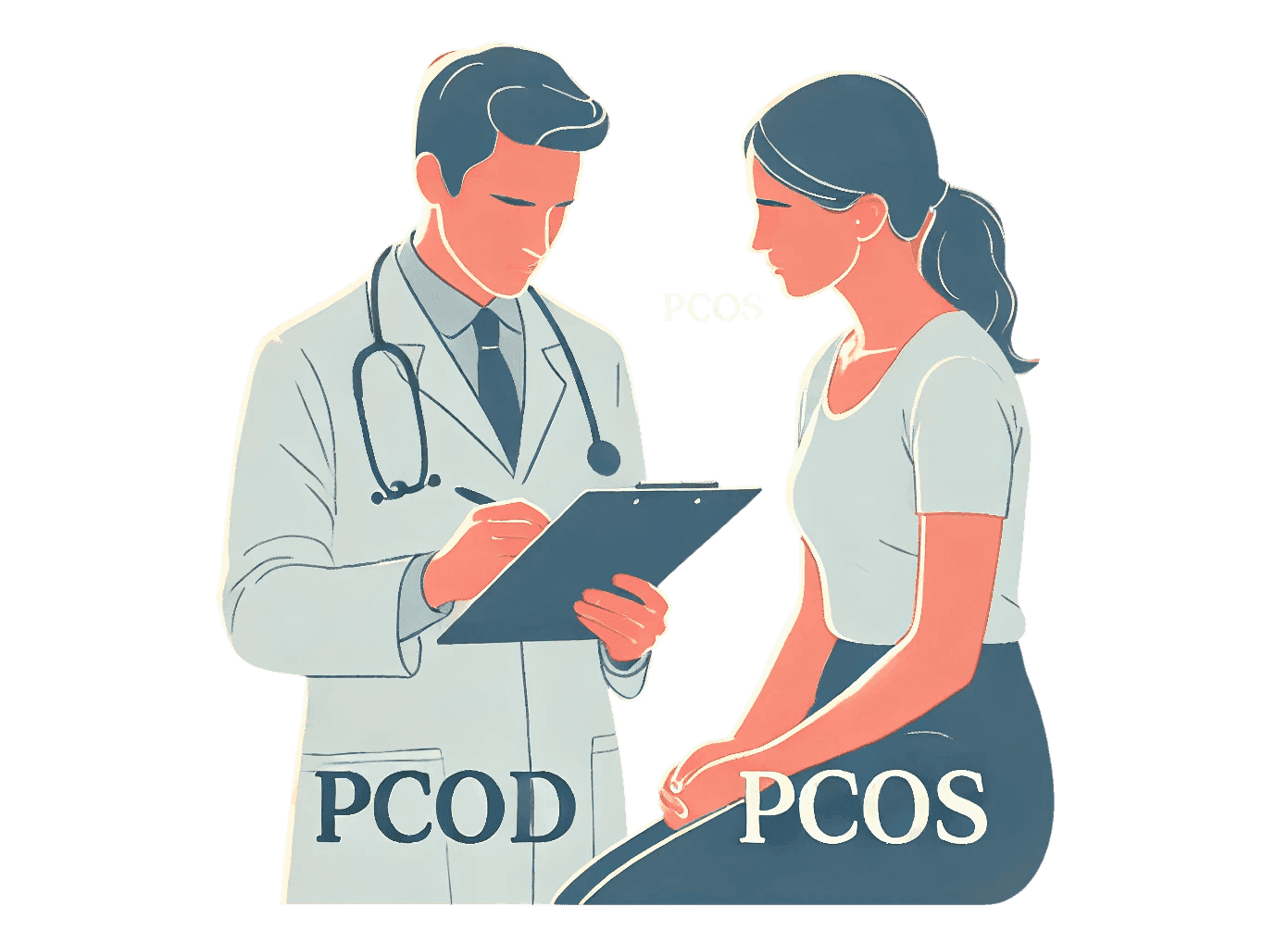
PCOD vs. PCOS: What’s the Difference?
Polycystic Ovarian Disorder (PCOD) and Polycystic Ovarian Syndrome (PCOS) are often used interchangeably, but they are not the same. Both conditions affect the ovaries and are common among women of reproductive age. However, PCOS is a more severe and complex hormonal disorder, while PCOD is a milder condition that can often be managed with lifestyle changes. Understanding the differences between the two can help women take the right steps toward better reproductive and overall health. In this blog, we’ll break down the key differences between PCOD and PCOS, their symptoms, causes, and treatment options. ## **What is PCOD?** PCOD (Polycystic Ovarian Disorder) occurs when a woman's ovaries release immature or partially mature eggs, which eventually turn into cysts. This leads to hormonal imbalances and irregular menstrual cycles. It is a relatively common condition and affects almost 1 in 3 women. However, it is less severe than PCOS and can be managed with diet, exercise, and lifestyle modifications. ## **Symptoms of PCOD:** - Irregular menstrual cycles - Mild weight gain - Acne and oily skin - Hair thinning - Occasional difficulty in conceiving ## **Causes of PCOD:** - Poor lifestyle and eating habits - Excess insulin production - Stress and anxiety - Genetic predisposition ## **What is PCOS?** PCOS (Polycystic Ovarian Syndrome) is a more serious hormonal disorder that affects not just the ovaries but also other body systems. Women with PCOS produce excessive male hormones (androgens), which disrupt ovulation and lead to multiple cysts forming in the ovaries. This can cause long-term complications like type 2 diabetes, infertility, and heart disease. ## **Symptoms of PCOS:** - Irregular or absent periods - Excessive facial and body hair (hirsutism) - Severe acne - Unexplained weight gain, especially around the abdomen - Difficulty in conceiving - Increased risk of diabetes and high blood pressure ## **Causes of PCOS:** - Hormonal imbalance - Insulin resistance - Chronic inflammation - Genetics ## **PCOD vs. PCOS: Key Differences** |Feature |PCOD |PCOS | |-----------|--------|------| |**Nature of Condition** | Hormonal disorder, relatively mild | Metabolic disorder, more severe| |**Ovulation** | Eggs are released irregularly but still ovulate | Ovulation is often absent| |**Fertility** | Women can conceive with some effort |Higher difficulty in conceiving | |**Weight Gain** | Mild weight gain |Significant weight gain, especially around the abdomen| |**Hormonal Imbalance** |Slight imbalance |Higher androgen levels, leading to severe symptoms| |**Treatment**|Lifestyle changes, medications|Lifestyle modifications, medications, fertility treatments if needed| ## **How Can PCOD and PCOS Affect Fertility?** Women with PCOD can still conceive naturally with some minor medical support. However, PCOS can make pregnancy more challenging due to irregular ovulation or lack of ovulation altogether. Women with PCOS often require medical intervention, such as ovulation-inducing medications or assisted reproductive techniques like IVF. ## **Treatment Options for PCOD & PCOS** ## **For PCOD:** - Maintaining a healthy diet and exercise routine - Reducing stress through yoga and meditation - Taking prescribed medications to regulate periods - Avoiding junk food and processed sugar ## **For PCOS:** - Strict weight management - Low-carb, high-protein diet - Medications to regulate hormones and insulin levels - Fertility treatments if trying to conceive - Regular monitoring of blood sugar and cholesterol levels ## **How IVF Pulse Helps Women with PCOD and PCOS** At IVF Pulse, we understand the struggles of managing PCOD and PCOS, especially when it comes to fertility. We provide: - **Expert Consultations:** Get personalized guidance from top fertility specialists. - **Advanced Treatment Plans:** Access the latest in fertility treatments, including IVF, ovulation induction, and hormonal therapy. - **Lifestyle Support:** Diet and exercise recommendations to manage symptoms effectively. - **Emotional Well-being Programs:** Counseling and stress management for better reproductive health. ## **Final Thoughts** While PCOD and PCOS share similarities, PCOS is a more serious condition that requires closer monitoring and medical attention. The good news is that both can be managed with the right lifestyle changes and medical treatments. If you’re struggling with symptoms of PCOD or PCOS, seeking medical advice early can help you take control of your health and fertility. Need expert guidance? Get in touch with IVF Pulse today and take the first step towards better reproductive health!
28 Feb '25|8 min read