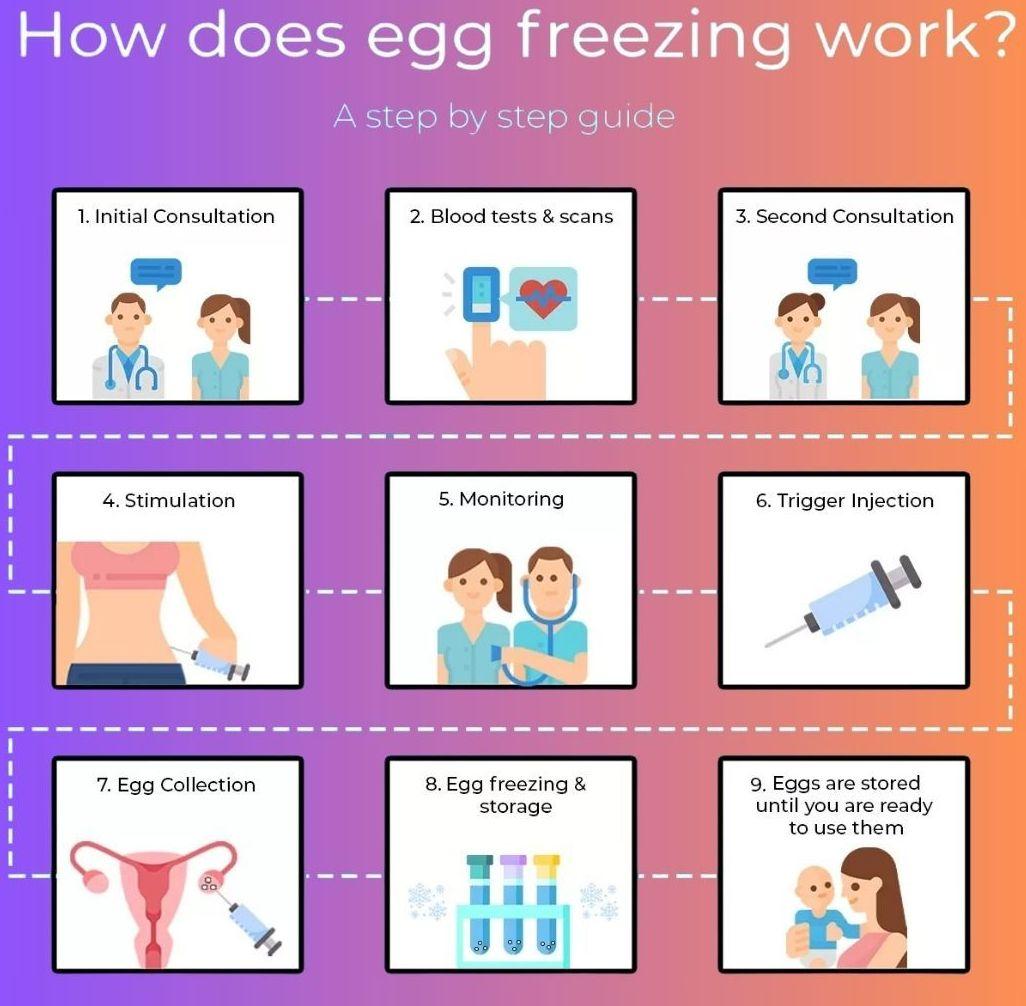
Best Time to Conceive During the Menstrual Cycle
11/11/2022 • 14 min
The menstrual cycle is a complex and fascinating biological process that plays a crucial role in a woman's reproductive health. It is a monthly series of changes a woman's body goes through in preparation for the possibility of pregnancy. Understanding the menstrual cycle is fundamental for anyone trying to conceive, as it directly influences the timing of ovulation and the fertile window.
A typical menstrual cycle lasts about 28 days, but it can range from 21 to 35 days in adults and from 21 to 45 days in young teens. The cycle begins on the first day of menstruation, which is considered Day 1. Menstruation itself usually lasts between 3 to 7 days, during which the uterine lining is shed if no pregnancy has occurred.
The menstrual cycle is divided into several phases: the menstrual phase, the follicular phase, ovulation, and the luteal phase. The follicular phase starts on the first day of menstruation and continues until ovulation. During this phase, the pituitary gland releases follicle-stimulating hormone (FSH), which stimulates the ovaries to produce around 5 to 20 small sacs called follicles. Each follicle contains an immature egg, and usually, only one follicle will mature into an egg.
Ovulation, which is the release of a mature egg from the ovary, typically occurs mid-cycle, around Day 14 in a 28-day cycle. This is the most fertile time in the cycle and is crucial for conception. Following ovulation, the luteal phase begins, lasting approximately 14 days. During this phase, the ruptured follicle transforms into the corpus luteum, which secretes progesterone to thicken the uterine lining, preparing it for a potential pregnancy.
Understanding these phases helps in identifying the best time to conceive, as the fertile window is closely linked to ovulation. By tracking the menstrual cycle, individuals can better predict ovulation and increase their chances of conception.
The term "fertile window" refers to the specific period in a woman's menstrual cycle when conception is most likely to occur. This window is typically a six-day interval that ends on the day of ovulation. Understanding the fertile window is crucial for couples trying to conceive, as it represents the time when the female body is most receptive to fertilization.
During the menstrual cycle, a woman's ovaries release an egg in a process known as ovulation. The fertile window encompasses the five days leading up to ovulation and the day of ovulation itself. This is because sperm can survive in the female reproductive tract for up to five days, while the egg remains viable for about 12 to 24 hours after it is released. Therefore, having intercourse during this window increases the chances of sperm meeting the egg, resulting in conception.
The timing of the fertile window can vary among women and even from cycle to cycle for the same woman. Factors such as cycle length, hormonal fluctuations, and overall health can influence when ovulation occurs. Typically, ovulation happens around the midpoint of the cycle, but this can vary. For example, in a typical 28-day cycle, ovulation might occur around day 14, making days 9 to 14 the fertile window. However, for someone with a shorter or longer cycle, these days may shift accordingly.
Recognizing the signs of ovulation can help in identifying the fertile window. Common indicators include changes in cervical mucus, which becomes clearer and more stretchy, resembling egg whites, and a slight increase in basal body temperature. Some women may also experience mild pelvic or abdominal pain known as mittelschmerz, which can signal ovulation.
Tracking these signs and understanding the fertile window can empower couples to time intercourse more effectively, thereby enhancing their chances of conception. Utilizing ovulation predictor kits or fertility tracking apps can also aid in pinpointing the fertile window more accurately.
Ovulation is the pivotal event in the menstrual cycle that significantly influences the likelihood of conception. It occurs when a mature egg is released from the ovary, ready to be fertilized by sperm. This phase is crucial because it represents the period when a woman is most fertile. Typically, ovulation occurs around the midpoint of the menstrual cycle, approximately 14 days before the start of the next period in a 28-day cycle. However, this can vary significantly among women, with some experiencing ovulation as early as day 11 or as late as day 21.
The process of ovulation is regulated by a complex interplay of hormones, primarily luteinizing hormone (LH) and follicle-stimulating hormone (FSH). A surge in LH levels triggers the release of the egg from the dominant follicle in the ovary. Once released, the egg travels down the fallopian tube, where it remains viable for fertilization for about 12 to 24 hours. This short window underscores the importance of timing intercourse around ovulation to maximize the chances of conception.
Monitoring ovulation can be done through various methods, including tracking basal body temperature, observing changes in cervical mucus, and using ovulation predictor kits that detect the LH surge. Understanding and identifying the signs of ovulation can empower individuals or couples trying to conceive, allowing them to plan intercourse during the most fertile days of the cycle.
In addition to these methods, some women may experience physical signs of ovulation, such as mild pelvic or abdominal pain known as mittelschmerz, increased libido, and breast tenderness. Recognizing these symptoms can further aid in pinpointing the optimal time for conception.
Ultimately, understanding ovulation and its timing is key to optimizing fertility and increasing the chances of conception. By aligning sexual activity with the ovulation period, couples can significantly enhance their likelihood of achieving pregnancy.
Calculating the best time to conceive involves understanding the intricacies of the menstrual cycle and pinpointing the most fertile days within it. The menstrual cycle is typically around 28 days long, but it can range from 21 to 35 days in adults. The key to calculating the best time to conceive is identifying the ovulation period, as this is when an egg is released from the ovary and is available to be fertilized by sperm.
Ovulation usually occurs about 14 days before the start of the next menstrual period. For a woman with a 28-day cycle, this would mean ovulation occurs around day 14. However, cycles can vary, and ovulation can occur earlier or later depending on the individual. To calculate the best time to conceive, one should track the menstrual cycle over several months to determine the average cycle length and predict ovulation more accurately.
Several methods can help in calculating ovulation and thus the best time to conceive:
-
Calendar Method: By keeping a record of the menstrual cycle for several months, one can estimate the likely days of ovulation. Subtracting 14 days from the average cycle length can give a rough estimate of the ovulation day.
-
Basal Body Temperature (BBT) Charting: This involves taking the body temperature every morning before getting out of bed. A slight increase in BBT can indicate ovulation has occurred. Tracking these changes over time can help predict future ovulation periods.
-
Ovulation Predictor Kits (OPKs): These kits test the urine for the surge in luteinizing hormone (LH) that occurs 24-36 hours before ovulation. They can provide a more immediate indication of the best time to conceive.
-
Cervical Mucus Monitoring: Around ovulation, cervical mucus becomes clear, stretchy, and slippery, similar to egg whites. Monitoring these changes can help identify the fertile window.
By combining these methods, individuals can increase their chances of accurately identifying their fertile window and thus the best time to conceive. It's important to note that sperm can live inside the female reproductive tract for up to five days, so having intercourse in the days leading up to and including ovulation can increase the likelihood of conception.
When it comes to understanding the best time to conceive, several factors can influence conception timing. These factors can vary from person to person, making it essential for individuals to be aware of their unique circumstances and how they might impact fertility.
One of the primary factors is the regularity and length of the menstrual cycle. Women with regular cycles can more accurately predict their ovulation period, which is crucial for timing intercourse to coincide with the fertile window. Conversely, irregular cycles can make it more challenging to pinpoint ovulation, potentially affecting conception timing.
Another significant factor is age. Fertility naturally declines with age, particularly after the age of 35. This decline is due to a decrease in both the quantity and quality of eggs, making it more challenging to conceive. Therefore, age should be considered when planning for conception, as it can influence the timing and urgency of trying to conceive.
Lifestyle choices also play a critical role in conception timing. Factors such as stress, diet, exercise, and overall health can impact fertility. High stress levels can disrupt hormonal balance, affecting ovulation and menstrual regularity. A balanced diet rich in essential nutrients supports reproductive health, while regular exercise helps maintain a healthy weight, which is vital for fertility.
Additionally, medical conditions such as polycystic ovary syndrome (PCOS) or endometriosis can influence conception timing. These conditions can affect ovulation and the health of the reproductive system, making it essential for individuals with such conditions to work closely with healthcare providers to optimize their chances of conception.
Lastly, the timing and frequency of intercourse are crucial. Engaging in regular intercourse during the fertile window increases the likelihood of sperm meeting an egg. Couples should aim to have intercourse every 1-2 days during this period to maximize their chances of conception.
By understanding and considering these factors, individuals can better plan and optimize their chances of conceiving during their menstrual cycle.
When it comes to conception timing, myths and misconceptions abound, often leading to confusion and unnecessary stress for couples trying to conceive. One prevalent myth is that conception can occur at any time during the menstrual cycle. In reality, conception is most likely to occur during a specific window of time known as the "fertile window," which is typically a few days before and during ovulation. Understanding this timing is crucial for couples trying to conceive.
Another common misconception is that ovulation occurs on the 14th day of the cycle for all women. While the average menstrual cycle is 28 days, and ovulation often occurs around the midpoint, cycles can vary significantly in length. Therefore, ovulation might occur earlier or later than the 14th day, depending on the individual.
Some believe that certain sexual positions or timing intercourse at specific times of the day can enhance the chances of conception. However, there is no scientific evidence to support these claims. The key is to have regular intercourse during the fertile window.
Additionally, some myths suggest that lifestyle factors, such as diet or exercise, can drastically alter the timing of ovulation. While a healthy lifestyle can support reproductive health, it does not typically change the timing of ovulation significantly.
Finally, there is a myth that stress does not affect fertility. In truth, high levels of stress can impact hormonal balance and potentially affect ovulation, making it more challenging to predict the best time to conceive. It's important for couples to manage stress effectively while trying to conceive.
Maximizing your chances of conception involves a combination of timing, lifestyle adjustments, and understanding your body's signals. Here are some tips to enhance your fertility prospects:
-
Track Your Cycle: Use a calendar or a fertility app to track your menstrual cycle. Knowing the length of your cycle can help you identify your fertile window more accurately.
-
Monitor Ovulation Signs: Pay attention to ovulation symptoms such as changes in cervical mucus, basal body temperature, and ovulation pain. These signs can help pinpoint your most fertile days.
-
Maintain a Healthy Lifestyle: A balanced diet rich in vitamins and minerals, regular exercise, and maintaining a healthy weight can improve fertility. Avoid smoking, excessive alcohol, and caffeine consumption as these can negatively impact fertility.
-
Manage Stress: High stress levels can interfere with ovulation and fertility. Consider stress-reduction techniques such as yoga, meditation, or acupuncture to help keep stress levels in check.
-
Regular Intercourse: Engaging in regular intercourse, especially during the fertile window, increases the likelihood of conception. Aim for every other day during this period to optimize sperm health and availability.
-
Consider Preconception Health Checkups: Both partners should consider a preconception health checkup to identify any potential health issues that could affect fertility. This can include checking for sexually transmitted infections, which can impact reproductive health.
-
Stay Informed: Keep abreast of the latest fertility research and recommendations. Understanding the latest findings can help you make informed decisions about your reproductive health.
By incorporating these strategies, couples can significantly enhance their chances of conceiving naturally. Remember, patience and persistence are key, and it’s important to consult with a healthcare provider if you have concerns about your fertility journey.
Navigating the journey to conception can be a complex and emotional process, and understanding when to seek professional guidance can be crucial for many couples. While some may conceive easily, others may face challenges that require expert intervention. It's generally recommended to seek professional guidance if you have been actively trying to conceive for a year without success if you are under 35, or for six months if you are 35 or older. This timeframe is based on the natural decline in fertility as age increases, particularly for women.
There are several other scenarios where seeking professional help might be advisable. If you have irregular menstrual cycles, which can complicate the prediction of ovulation, or if you have known reproductive health issues such as polycystic ovary syndrome (PCOS) or endometriosis, consulting a fertility specialist can provide valuable insights and treatment options. Additionally, if you or your partner have a history of sexually transmitted infections (STIs), or if there is a known genetic issue in the family, professional guidance can help in assessing and managing these factors.
Fertility specialists can offer a range of diagnostic tests to understand the underlying causes of difficulty in conceiving. These tests can include hormone evaluations, ultrasound examinations, and semen analysis, among others. Based on the findings, they can suggest appropriate treatments, which may range from lifestyle modifications and medication to assisted reproductive technologies like in vitro fertilization (IVF).
Moreover, seeking professional guidance can also provide emotional support and counseling, which is often a crucial component of the fertility journey. Fertility challenges can be stressful and emotionally taxing, and having a supportive healthcare team can make a significant difference in managing these pressures.
Ultimately, professional guidance can empower you with the knowledge and tools needed to enhance your chances of conception, tailored to your unique circumstances.
When is the best time to conceive during the menstrual cycle?
The best time to conceive is during the ovulation period, which usually occurs about 12 to 16 days before the start of your next period.
How can I determine my ovulation period?
You can track your ovulation by monitoring changes in cervical mucus, using ovulation predictor kits, or tracking your basal body temperature.
How long does the ovulation period last?
Ovulation typically lasts for 12 to 24 hours, but the fertile window can span up to 6 days, including the days leading up to and the day of ovulation.
Can stress affect my ovulation cycle?
Yes, stress can impact your hormonal balance, potentially affecting your ovulation cycle and fertility.
Are there any signs or symptoms of ovulation?
Common signs include mild abdominal pain, increased cervical mucus, and changes in basal body temperature.
What role does age play in determining the best time to conceive?
Age can affect fertility, with women generally experiencing a decline in fertility starting in their late 20s to early 30s.
Is it necessary to have intercourse every day during the fertile window?
It’s not necessary to have intercourse every day, but every other day during the fertile window can increase the chances of conception.
Can lifestyle factors influence the best time to conceive?
Yes, factors such as diet, exercise, and overall health can influence fertility and the optimal time to conceive.
How can I improve my chances of conceiving during the fertile window?
Maintaining a healthy lifestyle, managing stress, and tracking your ovulation can help improve your chances.
What should I do if I have irregular menstrual cycles?
If you have irregular cycles, it might be helpful to consult with a healthcare provider to understand your ovulation patterns better.
Explore
Fertility and Ayurveda: Can It Help?
Fertility issues are becoming increasingly common, leading many couples to explore both modern medical treatments like IVF (In Vitro Fertilization) and traditional approaches such as Ayurveda. While Ayurveda offers holistic methods to improve reproductive health, can it truly enhance fertility, and how does it compare to IVF? Let’s explore both perspectives to understand their roles in conception. ## **IVF vs. Ayurveda: Understanding the Approaches** **1. IVF – The Proven Scientific Method** IVF is a widely accepted fertility treatment with high success rates. It involves stimulating the ovaries, retrieving eggs, fertilizing them in a lab, and transferring the embryo into the uterus. IVF is particularly beneficial for: - ✔ Women with blocked fallopian tubes or severe PCOS - ✔ Couples with unexplained infertility - ✔ Older women with low ovarian reserve - ✔ Men with low sperm count or motility **2. Ayurveda – A Supportive, Natural Approach** Ayurveda focuses on improving overall reproductive health by balancing the body's energies (doshas), detoxifying, and enhancing nutrition. While it may not directly treat severe infertility cases, it can: - ✔ Improve egg and sperm quality - ✔ Regulate menstrual cycles and ovulation - ✔ Reduce stress and improve hormonal balance - ✔ Complement IVF treatments for better success ## **How Ayurveda Can Support IVF** Instead of viewing Ayurveda and IVF as opposing approaches, many fertility experts recommend integrating them. Here’s how Ayurveda can enhance IVF success: **1. Pre-IVF Body Preparation** - ✔ **Panchakarma Therapy**: Detoxifies the body, preparing it for fertility treatments. - ✔ **Herbs like Ashwagandha & Shatavari**: Help in hormonal regulation and uterine health. **2. During IVF** - ✔ **Dietary Adjustments**: Ayurveda suggests a nutrient-rich diet with warm, fresh foods that support embryo implantation. - ✔ **Yoga & Meditation**: Helps reduce stress, which can improve IVF outcomes. **3. Post-IVF Support** - ✔ **Gentle Lifestyle Changes**: Ayurveda recommends rest, positive mindset, and avoiding processed foods to support pregnancy. ## **Final Verdict: IVF Has the Upper Hand** While Ayurveda can enhance fertility naturally, it cannot replace IVF, especially for couples facing complex infertility issues. However, Ayurveda can be a great complementary approach to boost IVF success rates by improving overall reproductive health. ## **How IVF Pulse Can Help** At IVF Pulse, we believe in a holistic approach to fertility. Whether you’re considering IVF or looking for natural ways to enhance reproductive health, our experts provide guidance tailored to your journey. 📞 Contact us today to explore the best fertility treatment options!
10 Mar '25|8 min read
Is Infertility on the Rise? What the Data Says
Infertility has become a growing concern worldwide, with more couples struggling to conceive than ever before. But is infertility really on the rise, or are we just more aware of it now? Let’s explore the data, potential causes, and what can be done to address this issue. ## **Understanding Infertility Trends** Infertility is defined as the inability to conceive after one year of unprotected intercourse. According to the World Health Organization (WHO), nearly 1 in 6 couples worldwide experience infertility at some point in their lives. Several studies and reports indicate that infertility rates have increased over the past few decades. ## **Key Statistics on Infertility** - A 2023 WHO report estimated that 17.5% of the global adult population is affected by infertility. - In India, infertility rates have doubled in the last two decades, with 10-15% of couples facing fertility issues. - A study published in The Lancet found that male fertility has declined by over 50% in the last 40 years. ## **Why Are Infertility Rates Increasing?** Several factors contribute to the rising infertility rates, including lifestyle changes, environmental factors, and medical conditions. ## **1. Lifestyle Factors** - **Delayed Childbearing:** More people are choosing to have children later in life, but fertility declines with age. - **Unhealthy Diets:** Processed foods, excessive sugar, and lack of nutrients can impact reproductive health. - **Obesity & Weight Issues:** Both underweight and overweight individuals may experience hormonal imbalances affecting fertility. - **Smoking & Alcohol Consumption:** Studies show that tobacco and alcohol use can lower fertility in both men and women. ## **2. Environmental Factors** - **Pollution & Toxins:** Air pollution, pesticides, and endocrine-disrupting chemicals in plastics affect reproductive health. - **Radiation & EMFs:** Increased exposure to mobile phone radiation and other electromagnetic fields may contribute to declining sperm and egg quality. ## **3. Medical Conditions** **PCOS & Endometriosis:** These conditions are major causes of infertility in women. **Diabetes & Thyroid Disorders:** Hormonal imbalances can disrupt ovulation and sperm production. **Genetic Factors:** Some people may have inherited conditions that affect fertility. What Can Be Done to Improve Fertility? ## **While some causes of infertility are beyond our control, several steps can help improve fertility chances:** - **Maintain a Healthy Diet:** Eat a balanced diet rich in antioxidants, vitamins, and minerals. - **Exercise Regularly:** Moderate physical activity helps maintain a healthy weight and hormone balance. - **Reduce Stress:** Chronic stress can impact reproductive hormones. Yoga, meditation, and counseling may help. - **Limit Exposure to Toxins:** Avoid plastics, pesticides, and other harmful chemicals. - **Seek Medical Help Early:** If you’re struggling to conceive, consult a fertility specialist for guidance. ## **How IVF Pulse Helps** At IVF Pulse, we provide expert guidance, fertility treatments, and resources to help couples navigate their fertility journey. Our specialists use advanced diagnostics and personalized treatment plans to maximize success rates. Whether you're exploring IVF or other fertility solutions, we’re here to support you every step of the way. ## **Final Thoughts** Infertility is a growing issue, but understanding the causes and taking proactive steps can improve the chances of conception. If you or someone you know is struggling with fertility, remember that help is available, and options like IVF can make parenthood possible.
03 Mar '25|8 min read

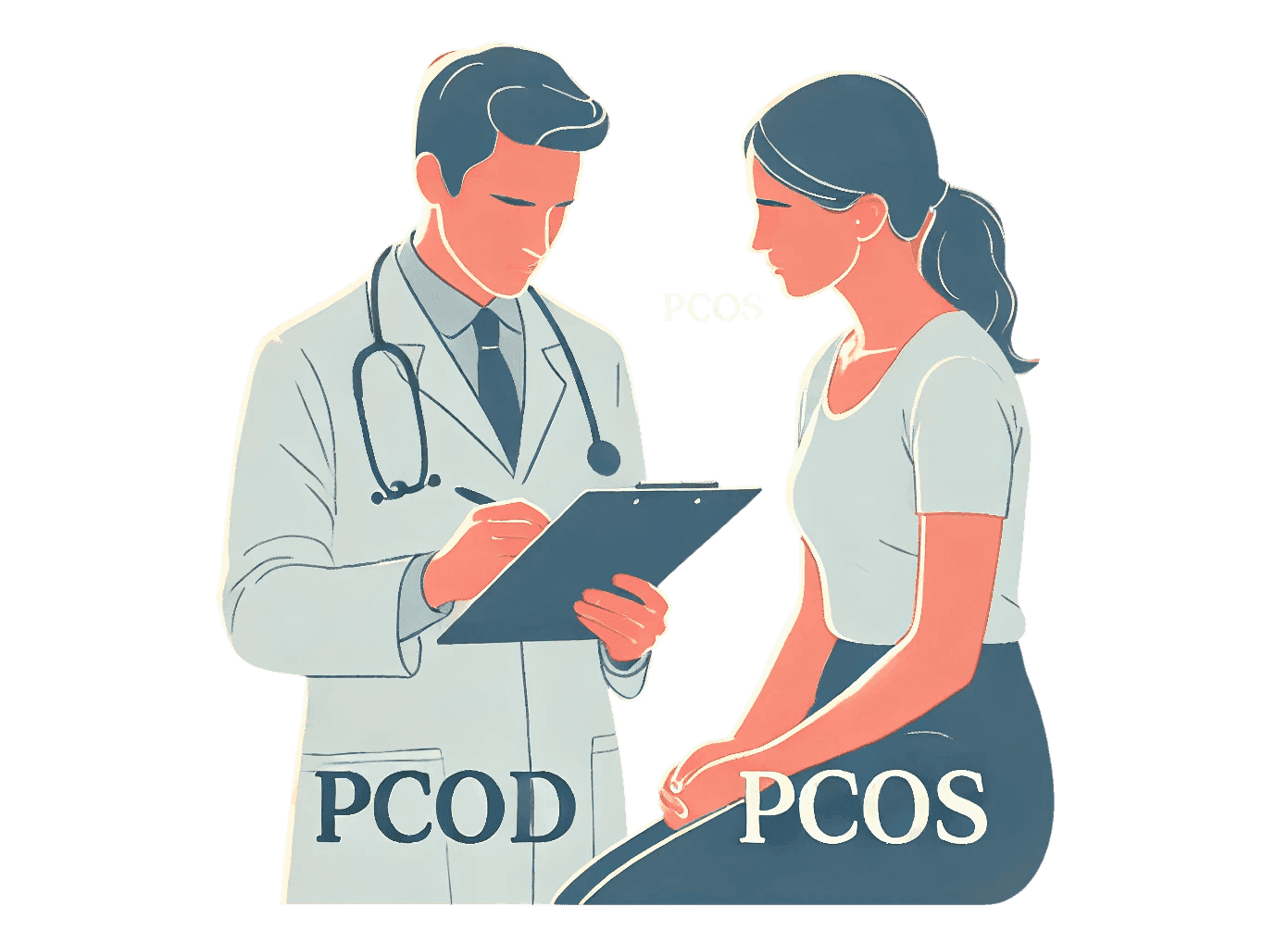
PCOD vs. PCOS: What’s the Difference?
Polycystic Ovarian Disorder (PCOD) and Polycystic Ovarian Syndrome (PCOS) are often used interchangeably, but they are not the same. Both conditions affect the ovaries and are common among women of reproductive age. However, PCOS is a more severe and complex hormonal disorder, while PCOD is a milder condition that can often be managed with lifestyle changes. Understanding the differences between the two can help women take the right steps toward better reproductive and overall health. In this blog, we’ll break down the key differences between PCOD and PCOS, their symptoms, causes, and treatment options. ## **What is PCOD?** PCOD (Polycystic Ovarian Disorder) occurs when a woman's ovaries release immature or partially mature eggs, which eventually turn into cysts. This leads to hormonal imbalances and irregular menstrual cycles. It is a relatively common condition and affects almost 1 in 3 women. However, it is less severe than PCOS and can be managed with diet, exercise, and lifestyle modifications. ## **Symptoms of PCOD:** - Irregular menstrual cycles - Mild weight gain - Acne and oily skin - Hair thinning - Occasional difficulty in conceiving ## **Causes of PCOD:** - Poor lifestyle and eating habits - Excess insulin production - Stress and anxiety - Genetic predisposition ## **What is PCOS?** PCOS (Polycystic Ovarian Syndrome) is a more serious hormonal disorder that affects not just the ovaries but also other body systems. Women with PCOS produce excessive male hormones (androgens), which disrupt ovulation and lead to multiple cysts forming in the ovaries. This can cause long-term complications like type 2 diabetes, infertility, and heart disease. ## **Symptoms of PCOS:** - Irregular or absent periods - Excessive facial and body hair (hirsutism) - Severe acne - Unexplained weight gain, especially around the abdomen - Difficulty in conceiving - Increased risk of diabetes and high blood pressure ## **Causes of PCOS:** - Hormonal imbalance - Insulin resistance - Chronic inflammation - Genetics ## **PCOD vs. PCOS: Key Differences** |Feature |PCOD |PCOS | |-----------|--------|------| |**Nature of Condition** | Hormonal disorder, relatively mild | Metabolic disorder, more severe| |**Ovulation** | Eggs are released irregularly but still ovulate | Ovulation is often absent| |**Fertility** | Women can conceive with some effort |Higher difficulty in conceiving | |**Weight Gain** | Mild weight gain |Significant weight gain, especially around the abdomen| |**Hormonal Imbalance** |Slight imbalance |Higher androgen levels, leading to severe symptoms| |**Treatment**|Lifestyle changes, medications|Lifestyle modifications, medications, fertility treatments if needed| ## **How Can PCOD and PCOS Affect Fertility?** Women with PCOD can still conceive naturally with some minor medical support. However, PCOS can make pregnancy more challenging due to irregular ovulation or lack of ovulation altogether. Women with PCOS often require medical intervention, such as ovulation-inducing medications or assisted reproductive techniques like IVF. ## **Treatment Options for PCOD & PCOS** ## **For PCOD:** - Maintaining a healthy diet and exercise routine - Reducing stress through yoga and meditation - Taking prescribed medications to regulate periods - Avoiding junk food and processed sugar ## **For PCOS:** - Strict weight management - Low-carb, high-protein diet - Medications to regulate hormones and insulin levels - Fertility treatments if trying to conceive - Regular monitoring of blood sugar and cholesterol levels ## **How IVF Pulse Helps Women with PCOD and PCOS** At IVF Pulse, we understand the struggles of managing PCOD and PCOS, especially when it comes to fertility. We provide: - **Expert Consultations:** Get personalized guidance from top fertility specialists. - **Advanced Treatment Plans:** Access the latest in fertility treatments, including IVF, ovulation induction, and hormonal therapy. - **Lifestyle Support:** Diet and exercise recommendations to manage symptoms effectively. - **Emotional Well-being Programs:** Counseling and stress management for better reproductive health. ## **Final Thoughts** While PCOD and PCOS share similarities, PCOS is a more serious condition that requires closer monitoring and medical attention. The good news is that both can be managed with the right lifestyle changes and medical treatments. If you’re struggling with symptoms of PCOD or PCOS, seeking medical advice early can help you take control of your health and fertility. Need expert guidance? Get in touch with IVF Pulse today and take the first step towards better reproductive health!
28 Feb '25|8 min read