Egg donor IVF: how it works in India
In egg donor IVF, eggs from a screened donor are fertilised with your partner's sperm and the embryo is placed in your uterus. In India, donor eggs must come through an ART bank registered under the ART (Regulation) Act 2021, and the donor stays anonymous.

- Donor eggs from
- A registered ART bank
- Donor identity
- Anonymous by law
- Your procedure
- Lining preparation + embryo transfer
- Main factor
- Age of the egg donor
What is egg donor IVF?
When a woman's own eggs are unlikely to lead to a pregnancy, donor eggs can make pregnancy possible. The donor's eggs are fertilised with the partner's sperm, and the woman carries the pregnancy herself.
In India, donor eggs must come through an ART bank registered under the ART (Regulation) Act 2021. The law sets strict rules: donors aged 23–35, donation only once in a lifetime, no more than seven eggs retrieved, insurance cover for the donor, and confidentiality of donor and recipient information.
Who Donor eggs may help
- Very low egg reserve or early menopause
- Repeated IVF failure linked to egg quality
- Older age with poor response to stimulation
- Risk of passing on a genetic condition through the eggs
Good to know. Using a donor is a big emotional decision. Counselling before treatment is strongly advised, including how and when you might talk to a future child about their origins.
How to prepare
- Have a health check before pregnancy, especially if you are over 40: blood pressure, blood sugar, thyroid and a heart check where needed.
- A scan or hysteroscopy may be done to check the uterus.
- Take counselling about donor conception, including talking to your child in future.
- Ask the clinic which registered ART bank it uses and what donor screening includes.
The donor egg IVF process, step by step
Counselling and tests
Medical tests for you and your partner, and counselling on donor conception.
Donor matching
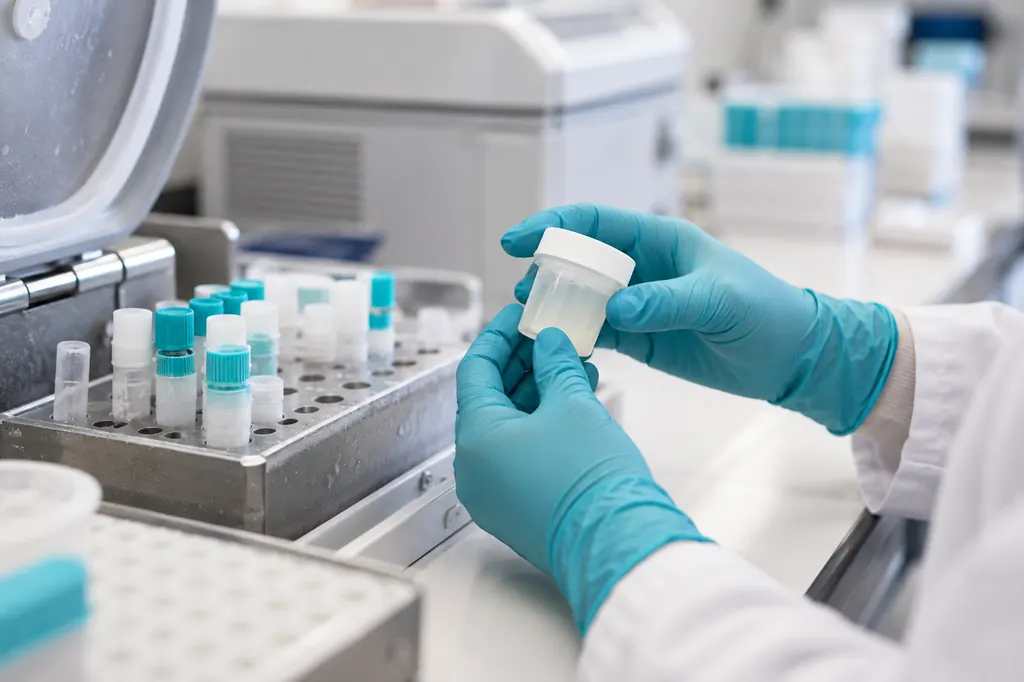
The ART bank matches a screened donor by blood group and physical characteristics.
Lining preparation
You take medicines to prepare the uterus.
Fertilisation
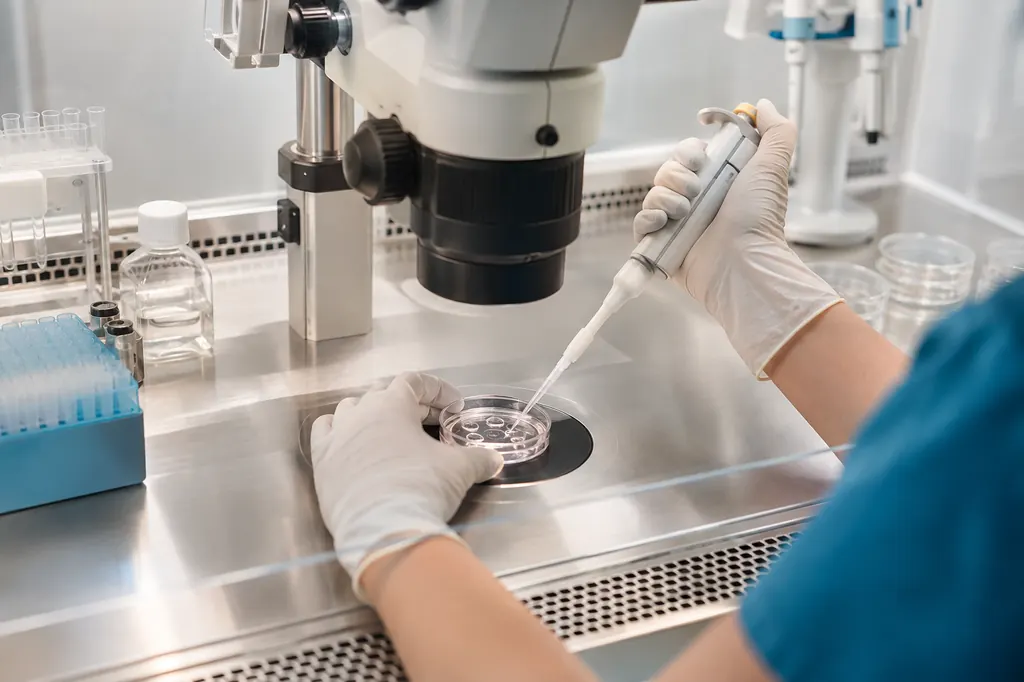
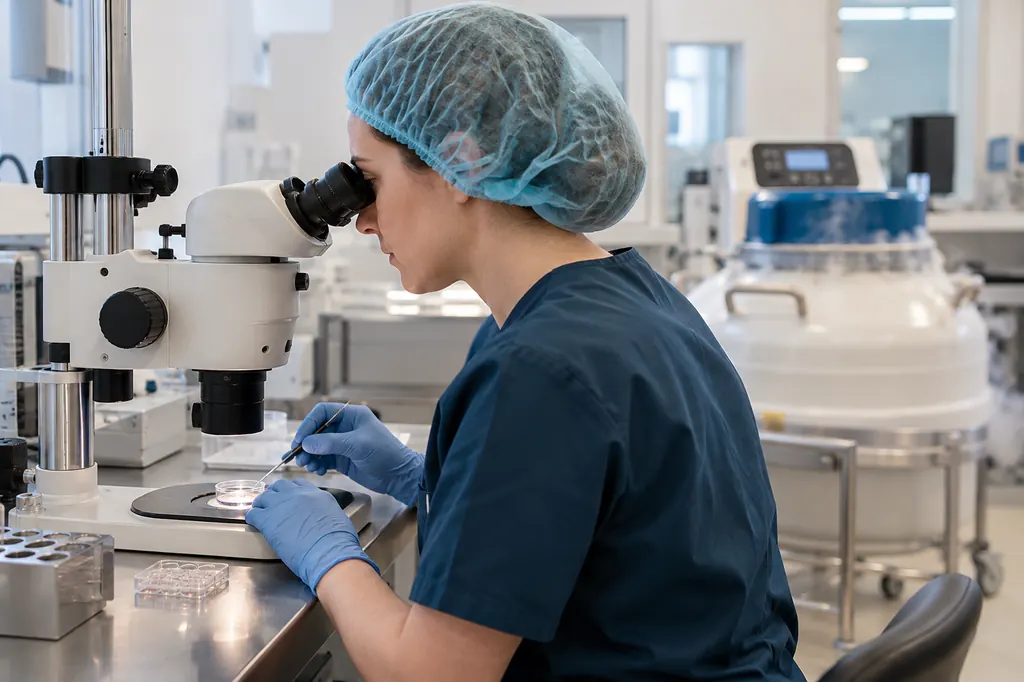
The donor's eggs are fertilised with your partner's sperm, usually by ICSI.
Embryo transfer
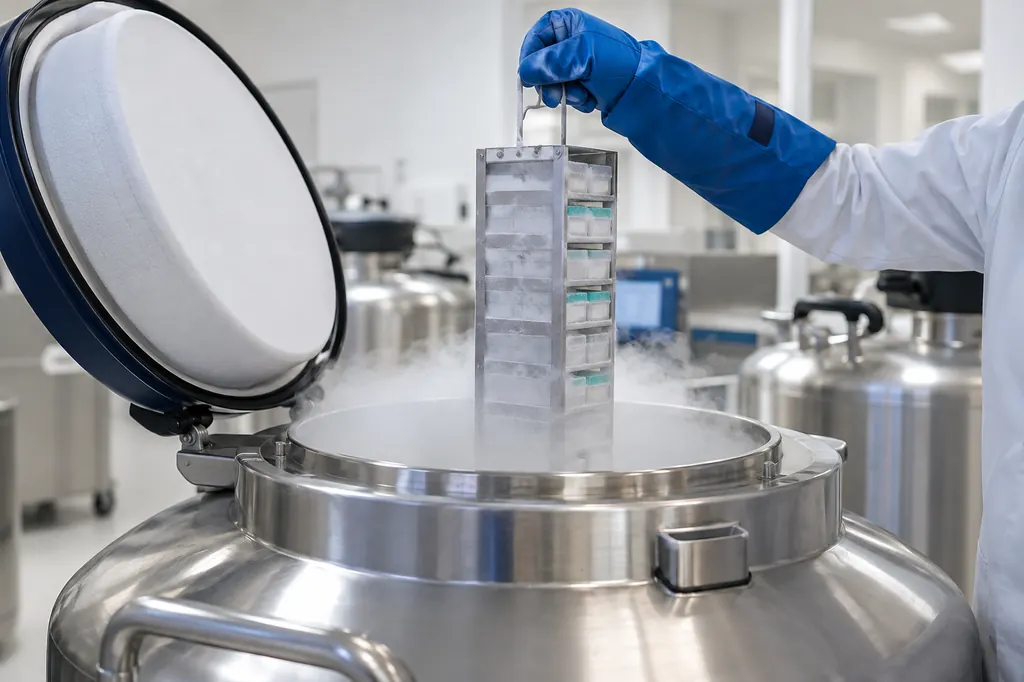
An embryo is transferred to your uterus; extras can be frozen.
What to expect
- You do not need ovarian stimulation or egg collection.
- Legal consent forms are signed by you, your partner and the bank.
After embryo transfer
- Continue estrogen and progesterone support as prescribed — your own ovaries are not producing these hormones for the pregnancy.
- A pregnancy blood test is usually done about two weeks after transfer.
- Early pregnancy care should include extra monitoring for blood pressure and diabetes, especially at older ages.
Benefits, limitations and risks
Benefits
- High chance per transfer because donor eggs come from younger women
- You carry and give birth to your baby
- The father is the genetic parent
Limitations
- The child will not be genetically related to the mother
- Pregnancy risks rise with the recipient's age
- Emotional and identity questions need time and support
Risks and side effects
- Pregnancy risks rise with the recipient's age; a check-up before treatment is important.
- Emotional and identity questions for the family, which counselling can help with.
Donor eggs success rate: what affects it
Success depends mainly on the donor's age and egg quality, so rates are often higher than IVF with a woman's own eggs at older ages. The recipient's uterus and health matter too.
Alternatives to discuss
What affects the cost of Donor eggs in Bangalore
- Donor fees and ART bank charges set under the Act
- Mandatory 12-month insurance for the egg donor
- IVF and ICSI lab costs
- Lining preparation medicines and embryo freezing
Before you start, ask for a written, itemised estimate that lists what is included and what could cost extra, such as medicines, freezing, storage and add-ons. Prices vary widely between clinics and cities. Estimate your costs with our calculator.
Questions to ask your doctor
- Which registered ART bank do you work with?
- What screening do donors receive?
- How many embryos do you expect from one donor cycle?
- Is counselling included?
Frequently asked questions
What is the age limit for an egg donor in India?
Under the ART Act 2021, an egg donor must be between 23 and 35 years old, may donate only once in her life, and no more than seven eggs may be retrieved.
Can we choose or meet the egg donor?
No. The ART Act 2021 requires donors to remain anonymous to the couple. Matching is done by the bank.
Who can donate eggs in India?
The ART Act sets the rules: among them, an egg donor must be 23–35 years old and may donate only once. See our article on donor rules in India for details.
Will the baby be legally ours?
Yes. Section 31 of the ART Act 2021 says a child born through ART is deemed to be the biological child of the commissioning couple, and the donor gives up all parental rights. Genetically, the baby is related to the father, not to the mother who carries the pregnancy.
Can a relative or friend donate eggs?
Indian law requires eggs to be obtained through a registered ART bank, and donor identity is kept confidential, so known donation by a relative or friend is not the route the Act provides.
Who is the legal mother?
Under the ART Act 2021, a child born through ART is deemed the biological child of the commissioning couple, and the donor has no parental rights.
Not sure if Donor eggs is right for you?
See a fertility doctor at an IVF Pulse centre in Bangalore: Kalyan Nagar (HRBR Layout), RR Nagar and Rajajinagar (at Tamara Hospital). Nothing to pay when you book, and you can change the time on WhatsApp.