Laser assisted hatching in IVF: what it does and what it doesn't
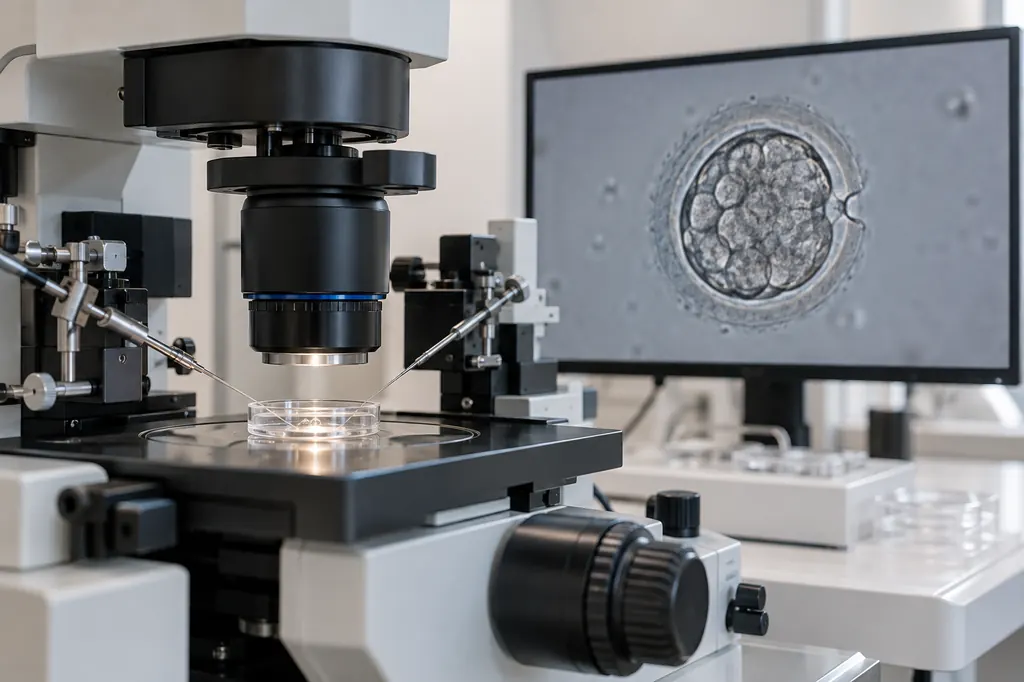
Laser assisted hatching uses a precise laser to thin or open the embryo's outer shell, the zona pellucida, just before transfer. It is widely offered, but good-quality trials have not shown it increases live births for most patients.
- Done
- In the lab, just before transfer
- Time
- Seconds per embryo
- Extra procedure for you
- None
- Evidence rating
- Not shown to improve live birth
What is Assisted hatching?
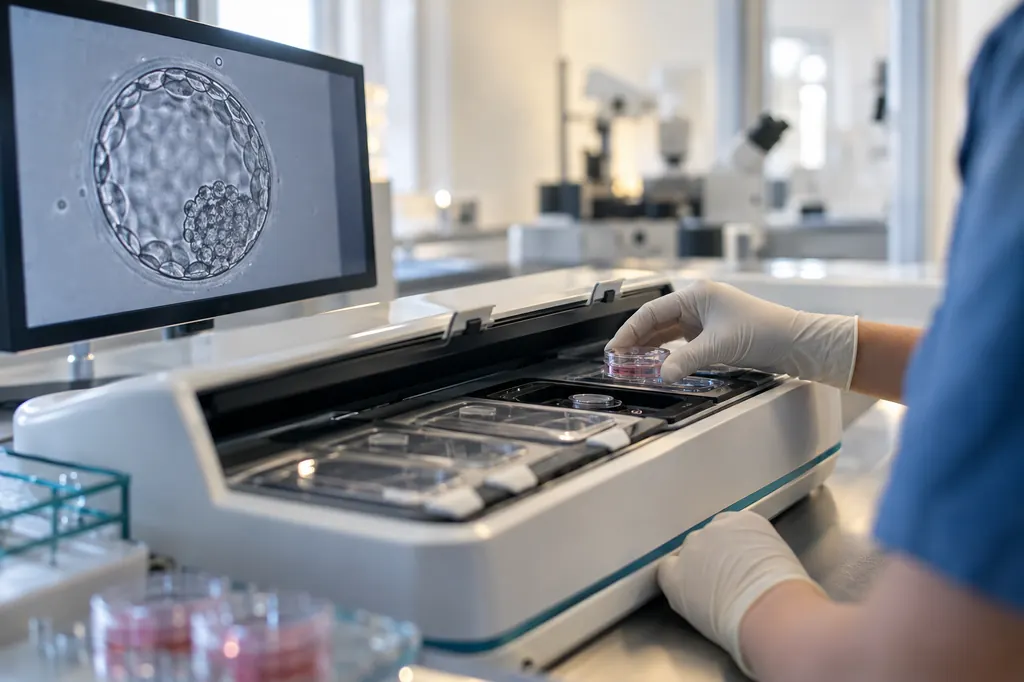
Every egg and embryo is surrounded by a protective shell called the zona pellucida. Around day 5–6 the embryo expands and breaks out of this shell before attaching to the lining of the uterus. The idea behind assisted hatching is that some embryos, such as frozen ones or those from older women, may have a harder shell and could benefit from help.
Modern clinics use a precise laser to make the opening, which is faster and more controlled than older chemical or mechanical methods. The theory is reasonable, but trials have not confirmed that it leads to more babies, which is why regulators classify it as an add-on rather than a standard step.
Who Assisted hatching may help
- Sometimes offered for frozen-thawed embryos
- Sometimes offered after repeated failed transfers
- Needed as part of embryo biopsy for PGT
Good to know. UK and European guidelines do not recommend assisted hatching as a routine add-on. If you are offered it, ask for the evidence in your specific situation.
How to prepare
- Ask your clinic for the reason it is recommending hatching for you.
- Ask for the live birth evidence and the extra cost in writing.
- Remember you can decline an add-on without affecting the rest of your care.
How laser assisted hatching is done
Embryo selection
The embryo for transfer is chosen.
Laser opening
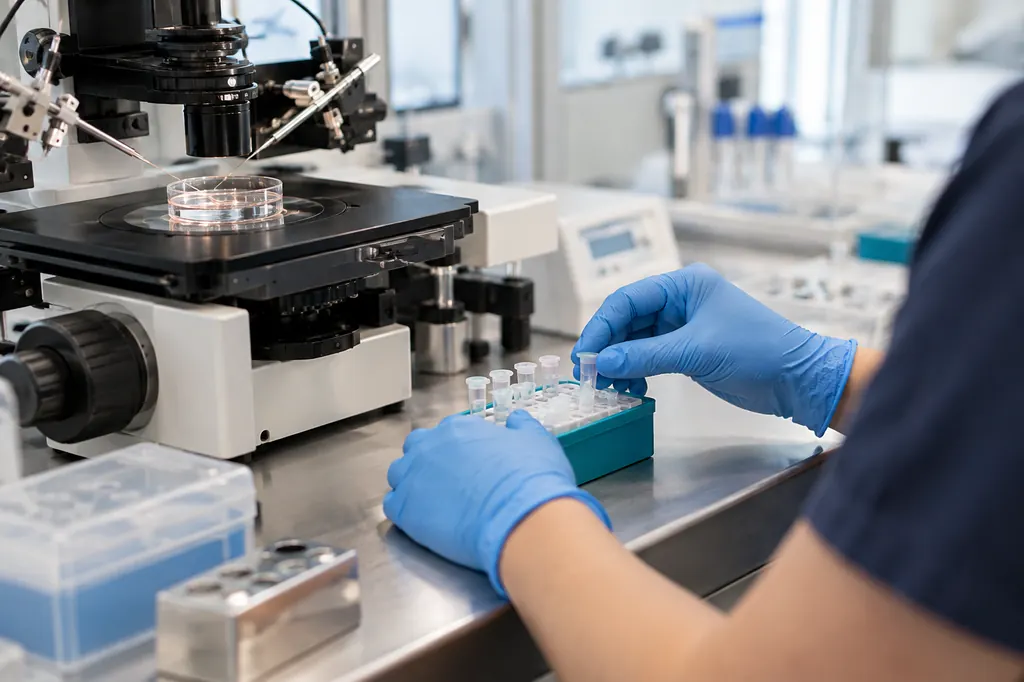
A precise laser makes a small opening or thins part of the shell.
Transfer
The embryo is transferred as usual.
What to expect
- You will not notice any difference; it happens in the lab.
After transfer
- Nothing changes for you — follow the usual advice after embryo transfer.
Benefits, limitations and risks
Benefits
- Quick and done in the lab
- Required as part of embryo biopsy for genetic testing
Limitations
- Not shown to increase live birth rates for most patients
- Small risk of embryo damage
- Possible slight increase in identical twins
Risks and side effects
- Small theoretical risk of damaging the embryo.
- Some studies suggest a slightly higher chance of identical twins.
- Added cost without proven benefit for most people.
What affects success
Systematic reviews show assisted hatching may slightly increase clinical pregnancy rates in some groups, but not live birth rates. The UK fertility regulator rates it as not proven to improve the chance of having a baby.
Alternatives to discuss
What affects the cost of Assisted hatching in Bangalore
- Add-on fee per cycle or per embryo, depending on the clinic
Before you start, ask for a written, itemised estimate that lists what is included and what could cost extra, such as medicines, freezing, storage and add-ons. Prices vary widely between clinics and cities. Estimate your costs with our calculator.
Questions to ask your doctor
- Why do you recommend hatching for us specifically?
- What is the extra cost?
- What live birth data supports it for someone in my situation?
Frequently asked questions
Does assisted hatching increase IVF success?
Current evidence does not show it increases live births for most patients. It may help in specific situations, so ask your clinic why it is suggested for you.
Is laser hatching safe for the embryo?
It is generally considered safe when done by experienced embryologists, but it is not risk-free.
Is hatching the same as embryo biopsy?
No, but biopsy for genetic testing also uses a laser opening, so hatching is part of that process.
Do frozen embryos need assisted hatching?
Not routinely. Some clinics use it for frozen embryos, but evidence of benefit is limited.
Can hatching help after failed IVF?
It is sometimes offered after repeated failure, but there is no strong evidence that it improves live birth rates in this group.
Not sure if Assisted hatching is right for you?
See a fertility doctor at an IVF Pulse centre in Bangalore: Kalyan Nagar (HRBR Layout), RR Nagar and Rajajinagar (at Tamara Hospital). Nothing to pay when you book, and you can change the time on WhatsApp.