Egg freezing: the process, best age and what to expect
Egg freezing stores your eggs at the age you freeze them. The process uses the same stimulation and collection as IVF, and eggs are frozen by vitrification. The younger you are at freezing, the better the chance those eggs lead to a baby later.
- Time needed
- About 2–3 weeks
- Collection
- Under sedation, same day home
- Freezing method
- Vitrification (fast freezing)
- Biggest factor
- Your age when you freeze
What is Egg freezing?
Egg freezing (oocyte cryopreservation) lets you store eggs at today's quality. A woman's egg quality and number fall with age, particularly from the mid-30s, so eggs frozen earlier have a better chance of leading to a pregnancy later.
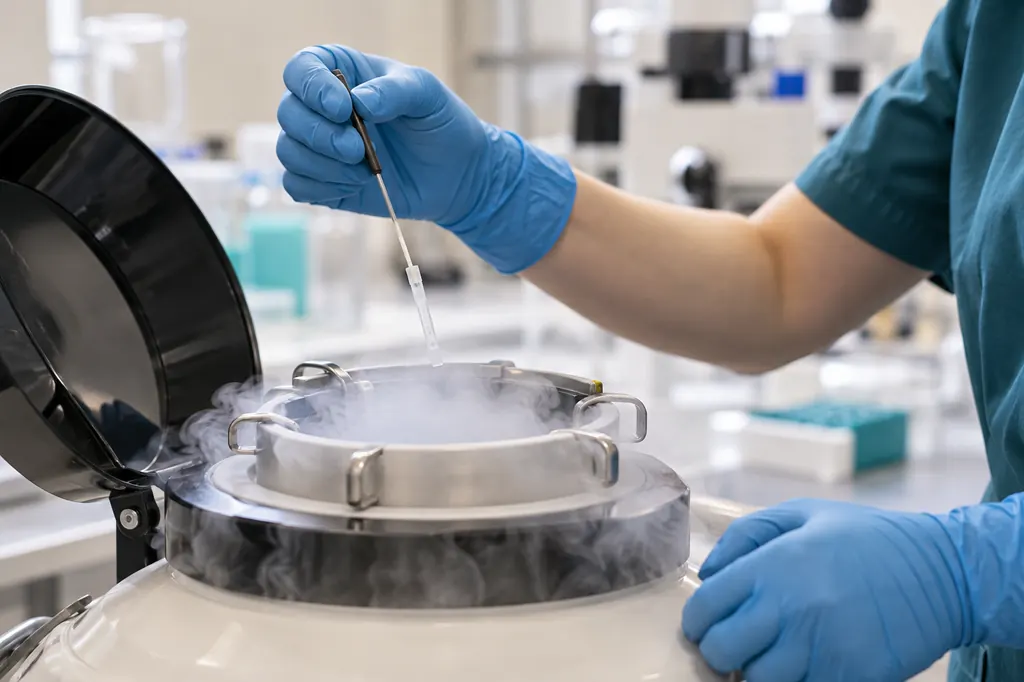
The process is the first half of IVF: hormone stimulation and egg collection. Instead of being fertilised, mature eggs are frozen by vitrification, a very fast freezing method that avoids damaging ice crystals. When you are ready, eggs are thawed, fertilised by ICSI and the resulting embryo is transferred.
Who Egg freezing may help
- Women who want to delay pregnancy
- Before cancer treatment or surgery that could affect the ovaries
- Women with conditions that may reduce egg reserve early
- During IVF when sperm is not available on the day
Good to know. Freezing does not guarantee a future baby. With low egg reserve or at older ages, more than one cycle may be needed to store enough eggs.
How to prepare
- Have AMH and an antral follicle scan to estimate how many eggs you may collect.
- Ask how many mature eggs the clinic suggests storing for your age.
- Check storage fees, the legal storage period, and what happens when it ends.
- If you are about to have cancer treatment, ask for an urgent fertility preservation appointment — stimulation can often start at any point in the cycle.
The egg freezing process, step by step
Assessment
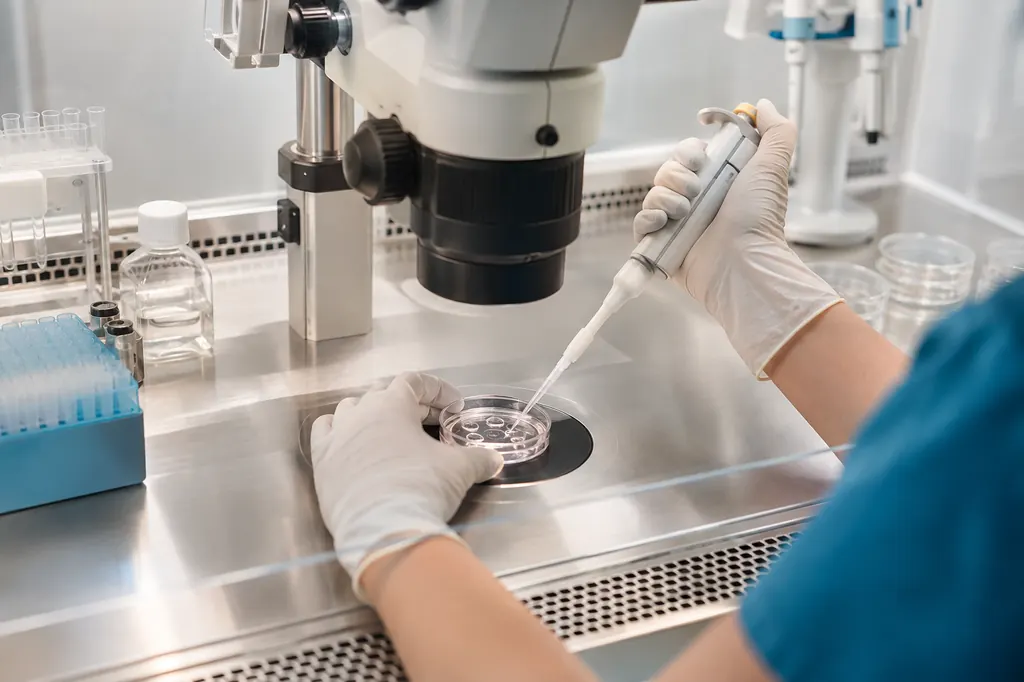
AMH and a scan estimate how many eggs may be collected.
Stimulation
Daily injections for about 8–14 days.
Egg collection
Under sedation, guided by ultrasound.
Vitrification
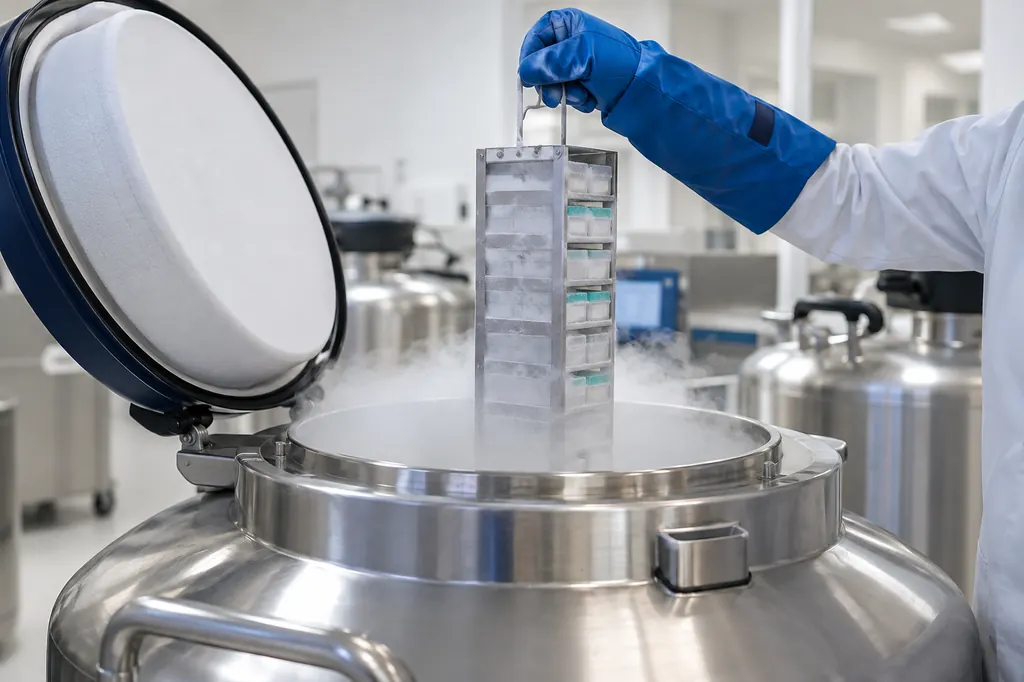
Mature eggs are frozen rapidly and stored in liquid nitrogen.
Later use
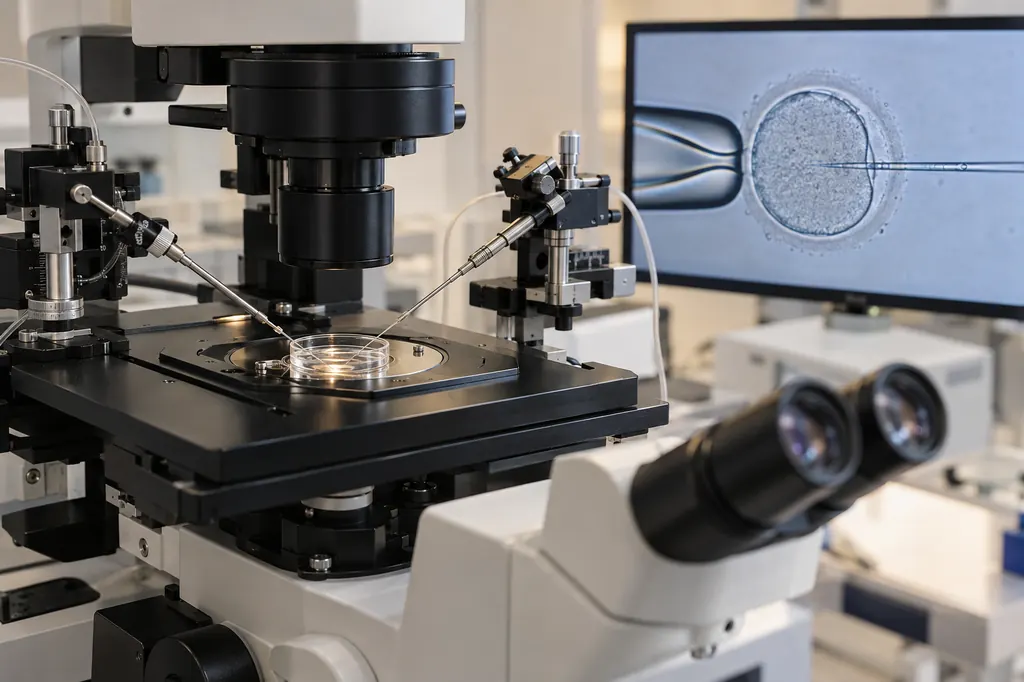
Eggs are thawed, fertilised by ICSI, and an embryo is transferred.
What to expect
- Bloating for a few days after collection.
- Annual storage fees apply; ask how long storage is allowed and what renewal involves.
After egg collection
- Expect bloating and mild cramps for a few days.
- Your next period usually arrives about 1–2 weeks later.
- Avoid strenuous exercise for about a week while the ovaries settle.
- Keep your storage paperwork and renewal dates safe.
Benefits, limitations and risks
Benefits
- Preserves the option of using your own eggs later
- Useful before medical treatment that may damage fertility
- Eggs stay stable while frozen
Limitations
- No guarantee of a future pregnancy
- Older age at freezing lowers the chance of success
- Some eggs do not survive thawing or fertilise
- Ongoing storage fees
Risks and side effects
- The same short-term risks as IVF stimulation, including OHSS.
- Not every egg survives thawing or fertilises.
Egg freezing success rate: what affects it
Your chance depends mainly on your age at freezing and the number of mature eggs stored. Eggs frozen in your early 30s work better than those frozen near 40. Ask the clinic for its own thaw-survival and live birth data.
Alternatives to discuss
What affects the cost of Egg freezing in Bangalore
- The clinic and city
- Medicines, which vary with dose and protocol
- Tests and scans needed before and during treatment
- Annual storage fees
- Later thawing, ICSI and embryo transfer costs
- Number of cycles needed to store enough eggs
Before you start, ask for a written, itemised estimate that lists what is included and what could cost extra, such as medicines, freezing, storage and add-ons. Prices vary widely between clinics and cities. Estimate your costs with our calculator.
Questions to ask your doctor
- How many eggs do you expect to collect in one cycle for me?
- How many eggs would you suggest storing for a reasonable chance of one baby?
- What are the storage fees and limits?
- What are your egg thaw-survival rates?
Frequently asked questions
How much does egg freezing cost in India?
It depends on the clinic, medicine doses, how many cycles you need, and yearly storage fees. Ask for a written estimate that includes storage and the later thawing, ICSI and transfer costs.
What is the best age to freeze eggs?
Earlier is better. Results are best when eggs are frozen before the mid-30s, although freezing later can still be worthwhile.
How long can frozen eggs be stored?
Vitrified eggs stay stable for many years. Under the ART Act 2021, donor gametes and embryos may be stored for up to 10 years; ask your clinic how the storage period and consent renewals apply to your own eggs.
Does egg freezing reduce my future egg supply?
No. Stimulation uses eggs that would otherwise have been lost that month.
How many eggs should I freeze?
It depends on age. Younger women need fewer eggs for a reasonable chance of one baby; women in their late 30s may need more than one cycle. Ask your clinic for an estimate based on your results.
Is egg freezing painful?
The injections sting briefly, and collection is done under sedation. Most people feel bloated for a few days.
Can egg freezing cause early menopause?
No. It does not use up your future eggs or bring menopause forward.
Not sure if Egg freezing is right for you?
See a fertility doctor at an IVF Pulse centre in Bangalore: Kalyan Nagar (HRBR Layout), RR Nagar and Rajajinagar (at Tamara Hospital). Nothing to pay when you book, and you can change the time on WhatsApp.