Blastocyst transfer: growing embryos to day 5
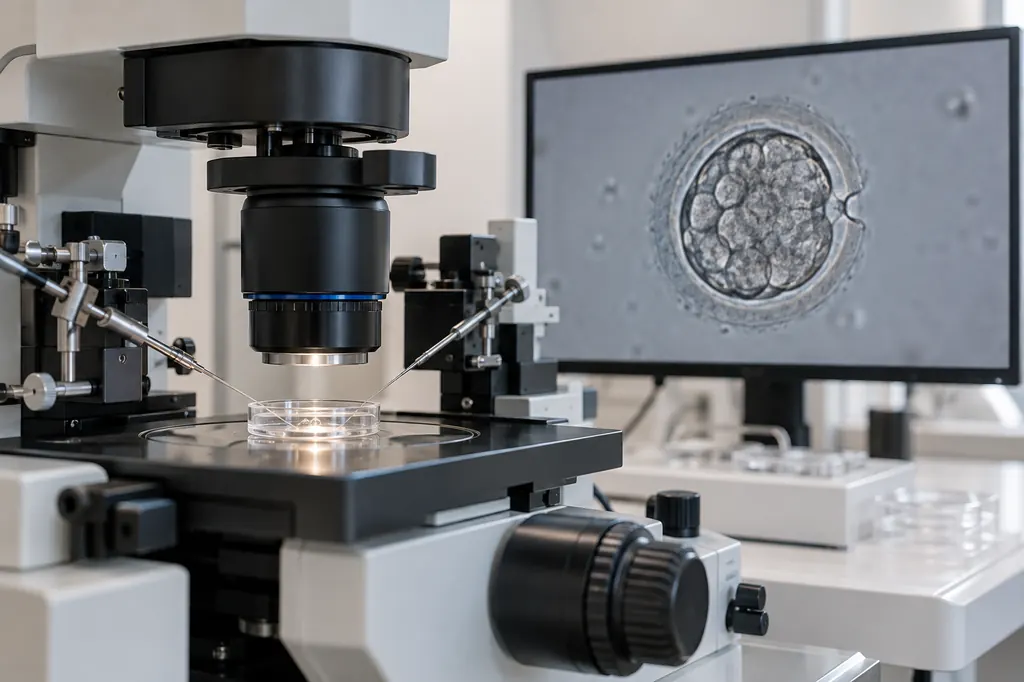
Blastocyst transfer means growing embryos in the lab to day 5 or 6, when they are called blastocysts, before transferring one to the uterus. Waiting to day 5 helps the lab pick the embryo most likely to implant, but some embryos stop growing before then.
- Culture time
- 5–6 days in the lab
- Transfer
- Same quick procedure as any transfer
- Main benefit
- Better embryo selection
- Trade-off
- Fewer embryos reach day 5
What is Blastocyst transfer?
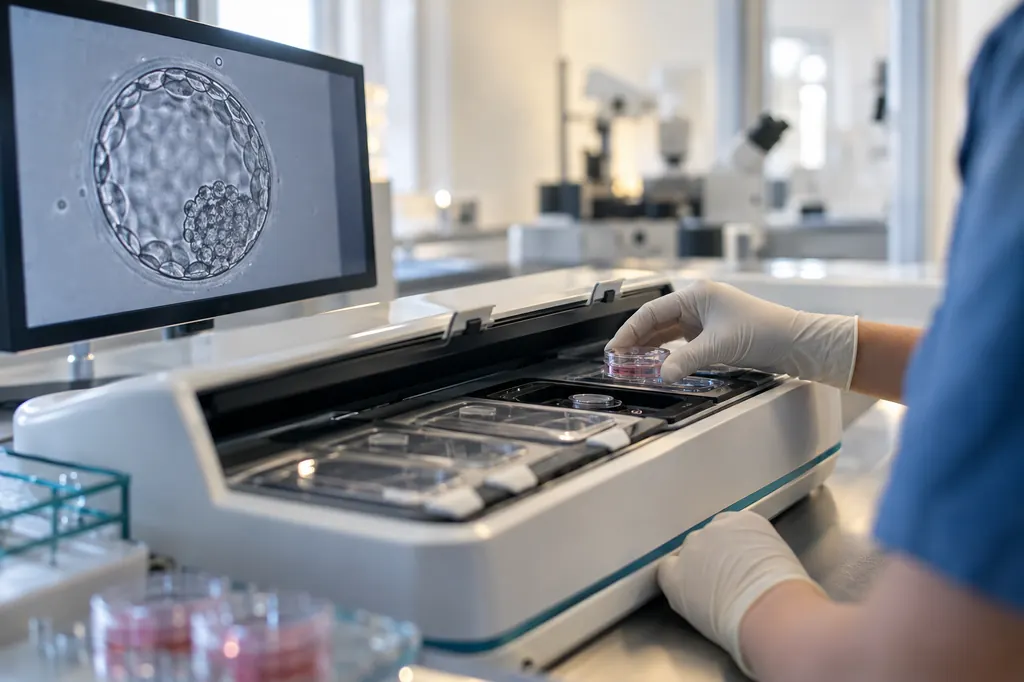
After fertilisation, an embryo divides into 2, 4 and then 8 cells by day 3. By day 5 or 6, a healthy embryo becomes a blastocyst, with around 100 or more cells arranged into an inner cell mass (which forms the baby) and an outer layer (which forms the placenta).
In nature, the embryo reaches the uterus at around this stage, so a day-5 transfer is closer to natural timing. Extended culture also acts as a filter: embryos that would have stopped developing usually stop in the lab, leaving the ones with better potential.
Who Blastocyst transfer may help
- Couples with several good embryos on day 3
- Single embryo transfer, to lower twin risk
- Embryos that will be biopsied for genetic testing (PGT)
Good to know. With only one or two embryos, some clinics transfer earlier, because extended culture will not create a better embryo — it only shows which ones were going to keep growing.
How to prepare
- Ask how your clinic decides between day-3 and day-5 transfer.
- Discuss how many embryos you hope to freeze for later.
- Agree in advance on single embryo transfer to reduce the risk of twins.
Blastocyst culture and transfer, step by step
Fertilisation
Eggs are fertilised by IVF or ICSI.
Extended culture
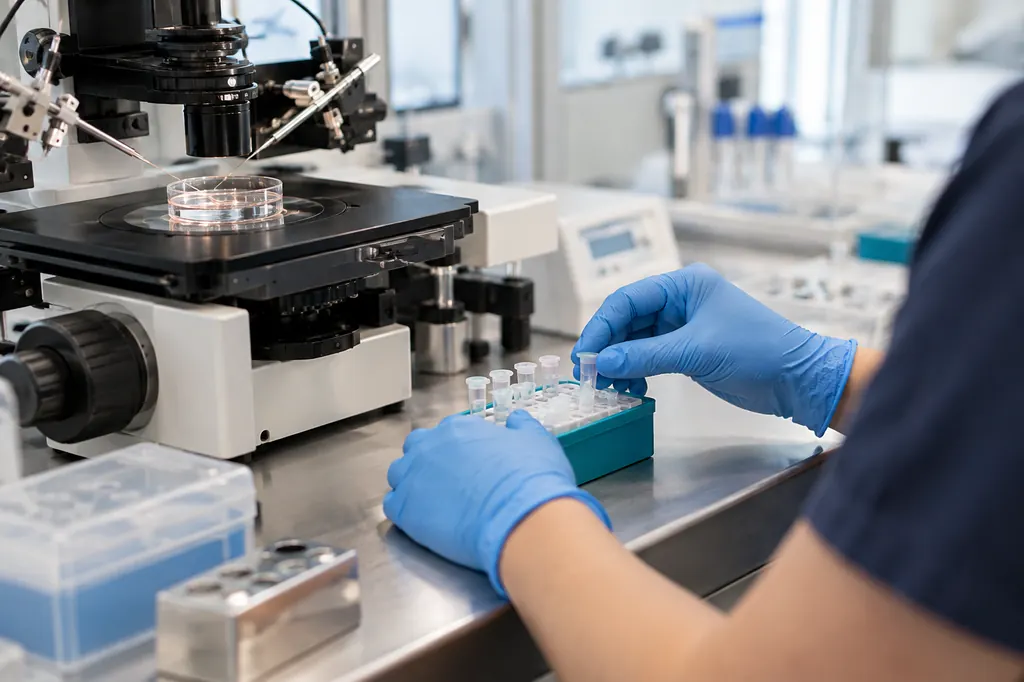
Embryos stay in the incubator, often a time-lapse or benchtop incubator, until day 5–6.
Grading
The embryologist grades expansion, the inner cell mass and the outer cells.
Transfer or freeze
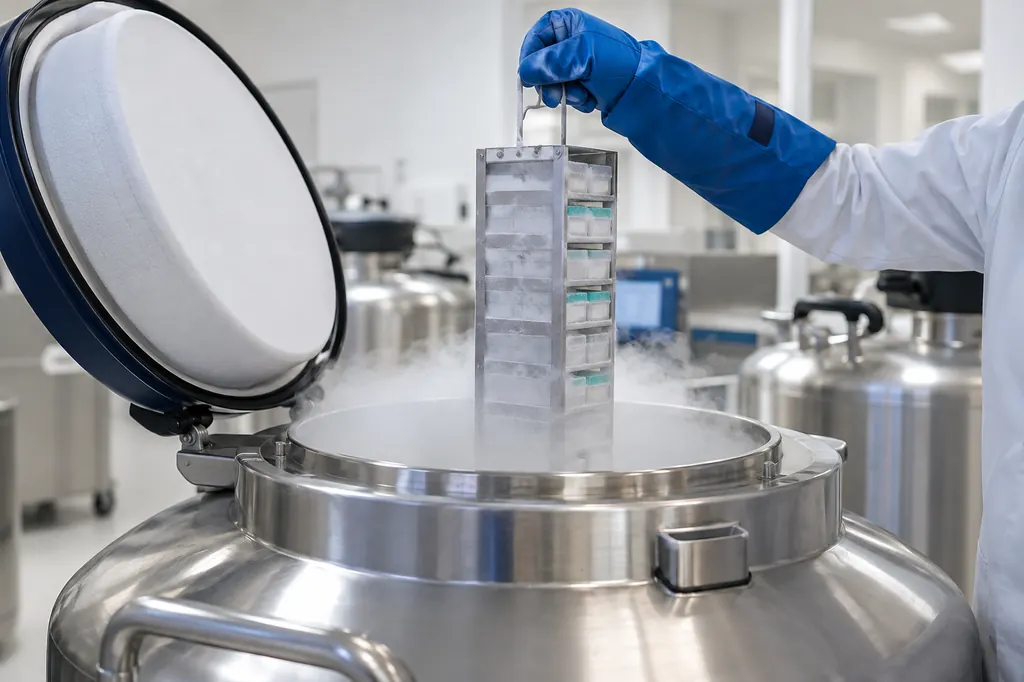
The best blastocyst is transferred; other good ones are frozen.
What to expect
- You may get a call each day with an update on how many embryos are still growing.
- It is normal for numbers to fall between day 3 and day 5.
After a blastocyst transfer
- Normal activity is fine; bed rest has not been shown to help.
- Continue progesterone as prescribed.
- A blood pregnancy test is usually done 9–11 days after a day-5 transfer.
Benefits, limitations and risks
Benefits
- Better selection of the embryo most likely to implant
- Supports single embryo transfer
- Timing closer to natural implantation
Limitations
- Some cycles end with no embryo to transfer
- Does not improve embryo quality
- Requires longer lab culture
Risks and side effects
- Some cycles end with no blastocyst to transfer, even when day-3 embryos looked fine.
- No added physical risk to you.
What affects success
Blastocyst transfer gives higher live birth rates per transfer than day-3 transfer in women with good embryo numbers. Cumulative chances across all embryos from one cycle are broadly similar.
Alternatives to discuss
What affects the cost of Blastocyst transfer in Bangalore
- Extended culture charges, if any
- Embryo freezing and storage for spare blastocysts
- Time-lapse incubators, if offered (an optional add-on)
Before you start, ask for a written, itemised estimate that lists what is included and what could cost extra, such as medicines, freezing, storage and add-ons. Prices vary widely between clinics and cities. Estimate your costs with our calculator.
Questions to ask your doctor
- How many embryos do you expect to reach day 5 in our case?
- Will you transfer on day 3 if numbers are low?
- How do you grade blastocysts, and can I see the grades?
Frequently asked questions
What are the symptoms after blastocyst transfer, day by day?
There is no reliable day-by-day pattern. Mild cramps, spotting, bloating and tiredness are common in the days after transfer, often caused by progesterone, and they happen whether or not implantation occurs. A blood hCG test about 9–11 days after transfer is the only reliable answer.
What is a blastocyst?
An embryo about five days after fertilisation, with a fluid-filled cavity, an inner group of cells that becomes the baby and an outer layer that becomes the placenta.
Why did only some embryos reach day 5?
Many embryos stop developing because of chromosome or other problems. The lab cannot fix this; culture simply shows which embryos had the potential to continue.
Is day-5 transfer always better?
Not for everyone. With very few embryos, a day-3 transfer may be equally reasonable. Discuss it with your embryologist.
What do blastocyst grades like 4AA mean?
The number shows how expanded the blastocyst is; the letters grade the inner cell mass and outer layer. Higher grades are linked with better chances, but lower-grade blastocysts can still lead to healthy babies.
Can blastocysts be frozen?
Yes. Blastocysts survive vitrification well, so spare good-quality ones are usually frozen.
Is a day-6 blastocyst worse than day 5?
Day-6 blastocysts may have slightly lower chances on average, but many lead to healthy pregnancies.
Not sure if Blastocyst transfer is right for you?
See a fertility doctor at an IVF Pulse centre in Bangalore: Kalyan Nagar (HRBR Layout), RR Nagar and Rajajinagar (at Tamara Hospital). Nothing to pay when you book, and you can change the time on WhatsApp.